London to Duxford

I hired a minicab to take me to the Airport (no way I was using even the Heathrow Express … and the Minicab was only 23 pounds more than that!) and pick up my rental – a VW Golf (which I just noticed a while ago is a Diesel, rather than, theoretically, the petrol vehicle ‘or similar’ I paid for).

GPS is a wonderful thing. I’ve said it before and I’ll say it again, You may not know exactly where you are, but you’re never actually lost.

It allowed me to navigate more or less painlessly from Heathrow to Duxford, the Imperial War Museum’s Aircraft (and now ground vehicle) collection … and the weather was quite sunny for the whole day.

Duxford has also changed a lot (quelle surprise) and the collection expanded … with several new large hangars for their collection as well as workshops where privately owned historic aircraft are on display/being worked on.

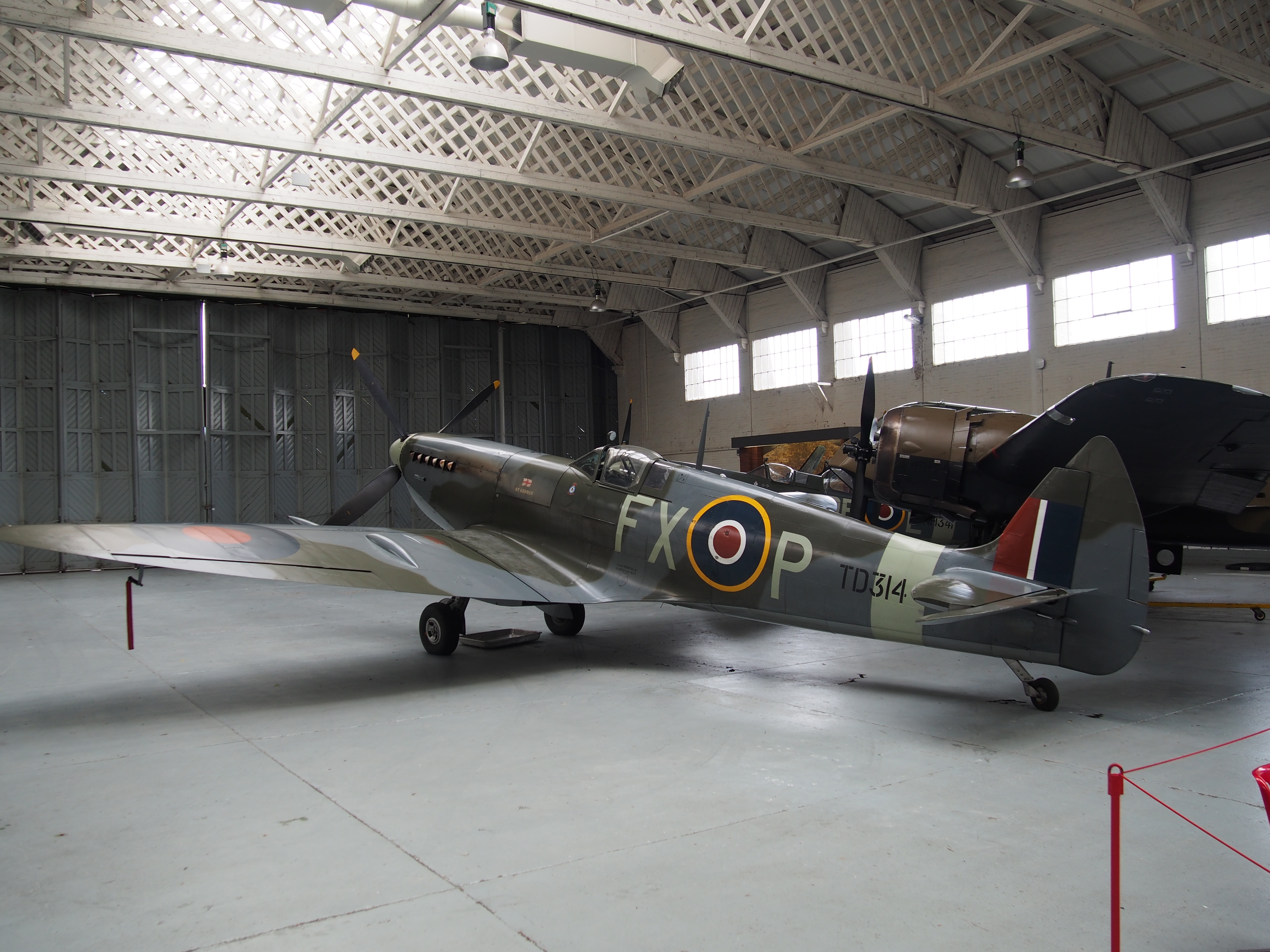
I believe their claim that on some days when they run air shows there are more Spitfires on the ground and in the air there than in the rest of the world combined!

In fact there was one of them, seemed to be a dual seat trainer conversion, that did regular circuits of the airfield in conjunction with a Dragon Rapide that was running joyflights/

One flyable B-17 on the flight line, the Memphis Belle (or done up to look like her) and another in the new American Aircraft display area … as well as a B-24, B-25, B-29 (but no B-36, I think there’s only one or two of the latter left … and I saw one of them/it in Omaha in 2010), a B-52, Warthog, Huey, ground launcher for a Cruise Missile and more.

The British aircraft included a Lysander, many many Spitfires, a Hurricane, Jaguar, Harrier, P1127 and others … including (IIRC) the only complete example of the TSR-2 left in existence (if you’re old enough to remember the controversy when it was cancelled), the Concorde Testbed aircraft and more.
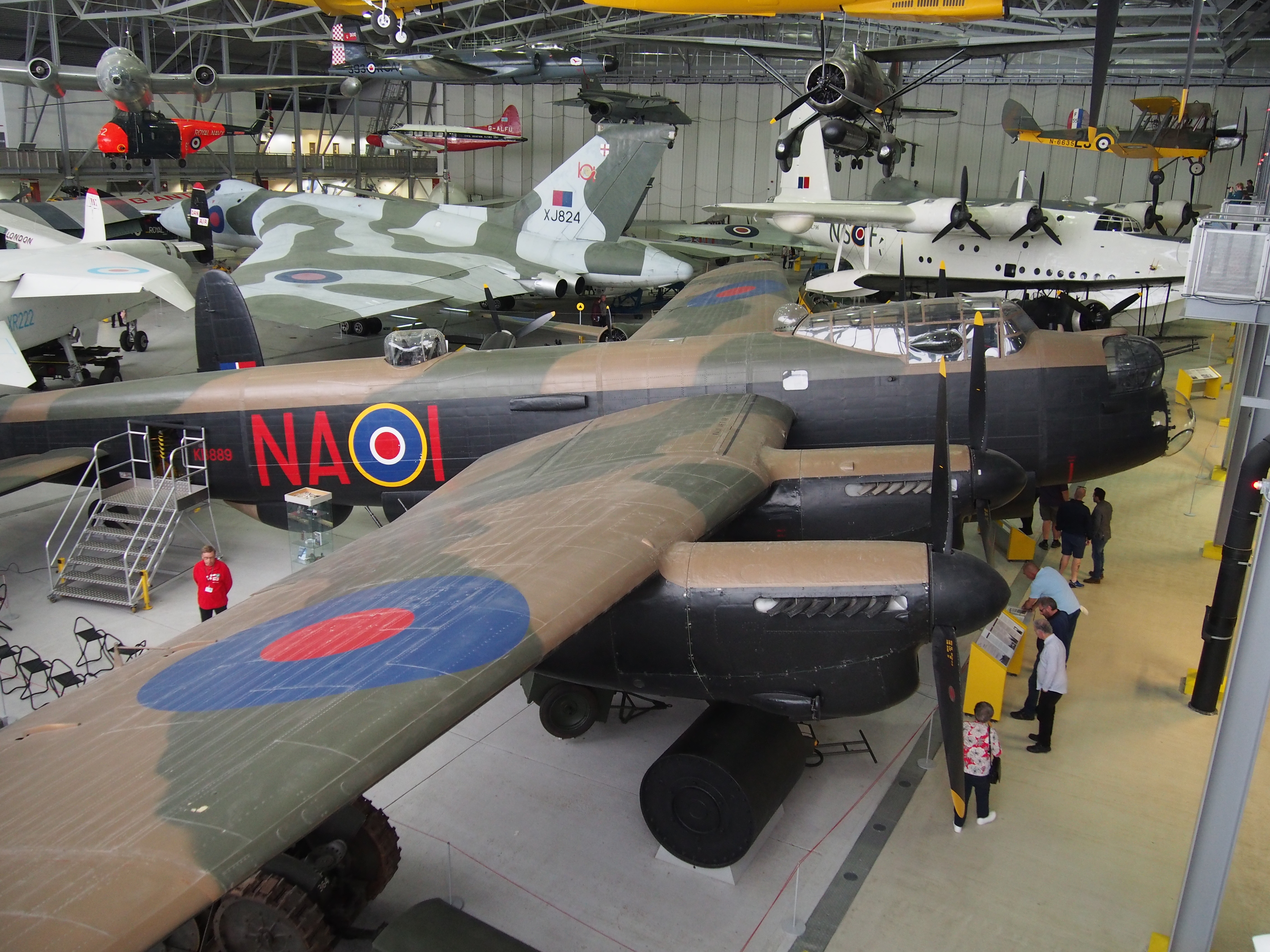
One of the bigger British aircraft – a Lancaster
One of the still flying Spitfires (privately owned, but based at Duxford)

They have a flyable Me-108 done in the colours used to pretend it was an Me-109 in The Battle of Britain movie as well as one of the post-war Spanish airforce 109’s which was re-engined and looks quite different from the ‘real’ thing.
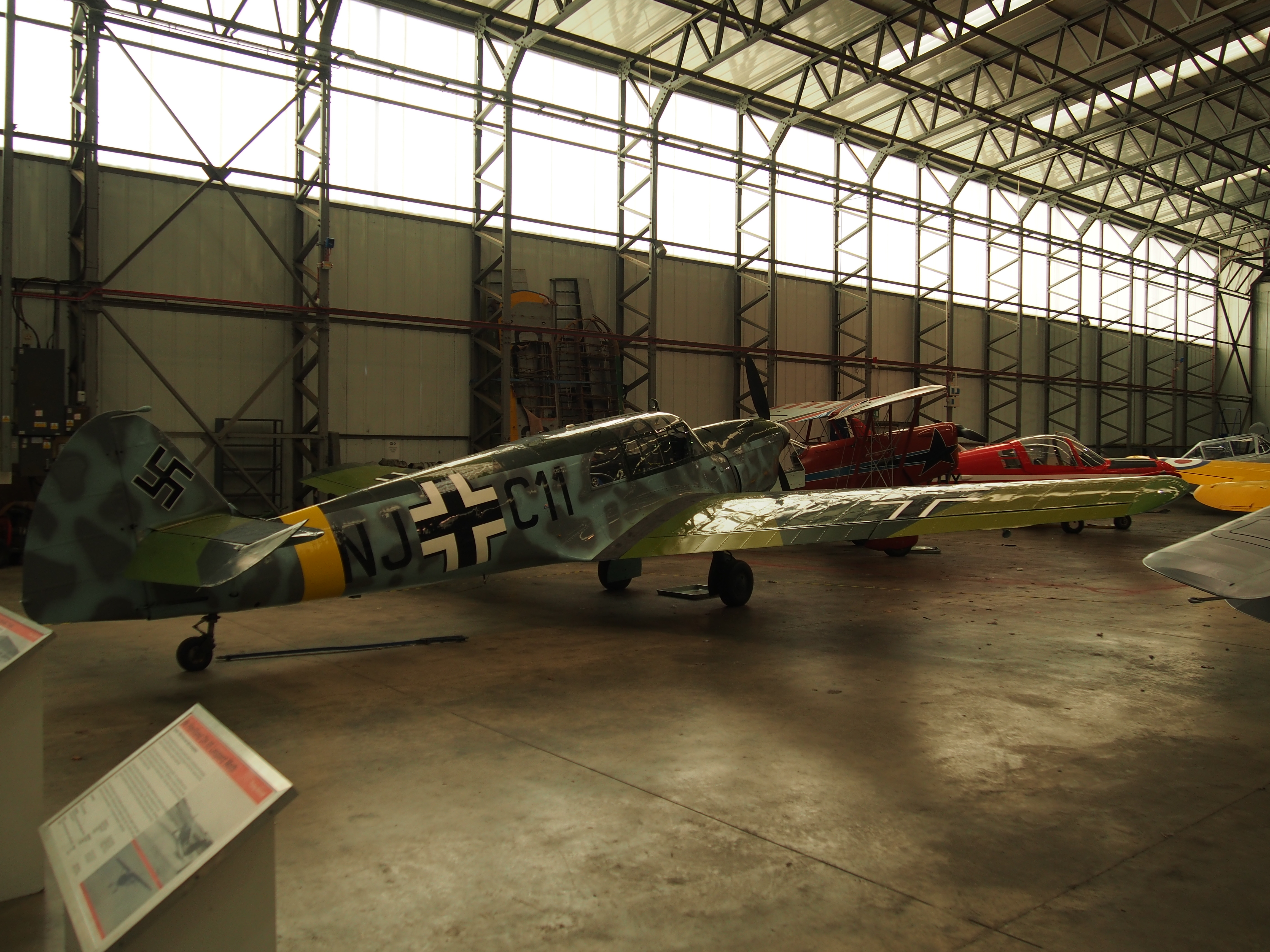
Me-108 pretending to be a Me-109

They also have a He-162 (not flyable) restored from parts of two which the Brits salvaged after the war …

The previous armour collection (I only remember a single T-34 back in the day, but there may have been a couple more, has expanded dramatically – Hetzer, Tiger I, JagdTiger, Stug III, Hanomag Halftack (command, I think), T-34, JS-10, T-55, BMP, 8 Wheeled APC, FV432, assorted WW2 and post-war British (or British variant) Armoured Cars and lots of softskinned stuff. Out the back, mostly hidden under tarps, were several other armoured vehicles waiting restoration, including an easily recognisable ZSU-23-4.
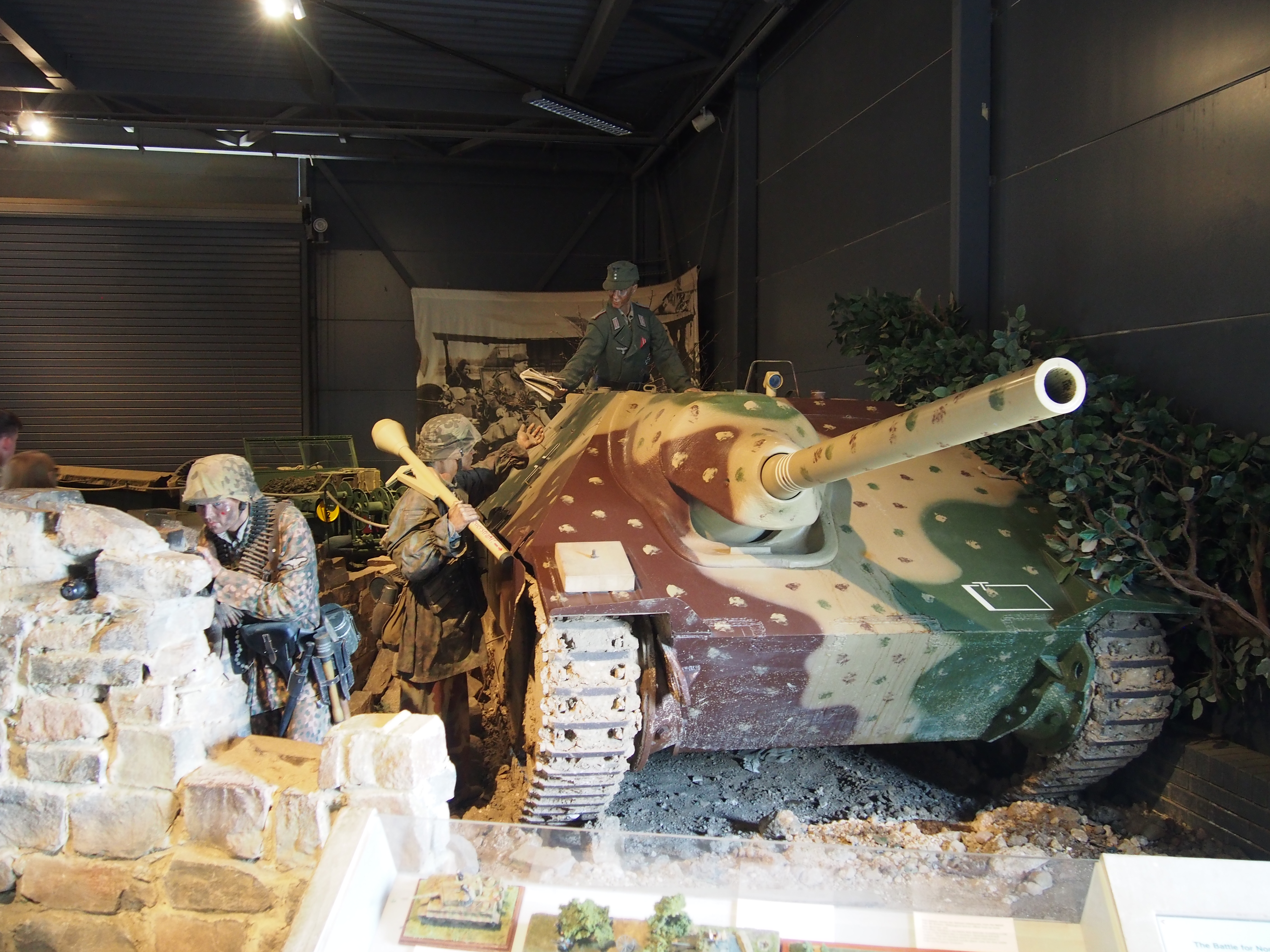
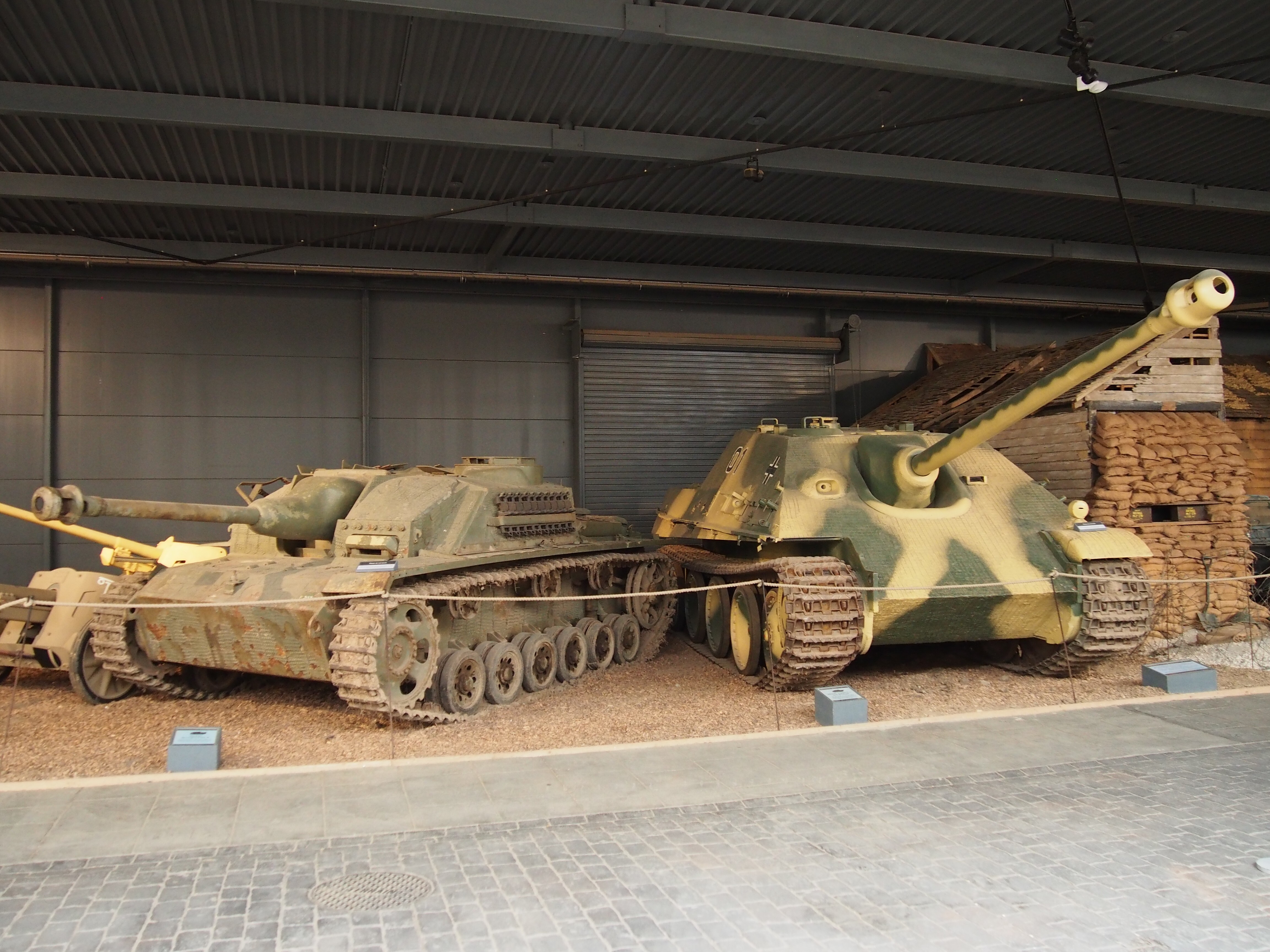
Hetzer on display
StuG-111 (left) and Jagpanther (right)

Off to Cambridge tomorrow.

Phil
National Maritime & London Transport Museums

After some eye problems (nothing serious, just old age exacerbated by cataract surgery) which took two visits to St Thomas’s Hospital (one from around 00:15 to 03:30 on Friday morning and a second from 09:15 to around 12:00 later that day) to sort out I was buggered and spent the rest of the day catching up on missed sleep and then doing some laundry.

So it wasn’t until Saturday that I was off to the National Maritime Museum at Greenwich … and the joys of the London Transport version of ‘trackwork’ which meant I had to pay more and take more time to get there than I would normally have had to.

The weather was sunny/cloudy/gloomy in turns but since I was expecting to spend several hours inside that was moot … the whole place has changed (31 years!) inside and the collections (or those parts on display, are now much more thematic … one area, for example, covered the development of early modern trade (including the slave trade) in the Atlantic, another looked at European colonialism in the Pacific (and was extremely politically correct) and, likewise, the section on Antarctica was so flavoured.

Nothing really outstanding … a steam engine from a Thames Harbour tug and a British water speed record holder from the 1930’s were the biggest items.

After several hours I headed (again by a circuitous route) to Covent Garden and the London Transport Museum. I am not sure whether it was even on the same exact spot as it was back in 1988 … as it is now several times the size it was then spread over several levels (in 88 it was all on the one level, more or less). Everything from the earliest Horse Drawn carriages and trams through steam jobbies, river transport and some early(ish) motor buses and trains as well as more recent buses … the trains are obviously too big to fit in the space, even expanded as it is.

Then a fight with moderately horrid crowds on the Tube to get back to the Hotel and repack everything that needed to be packed as Sunday is the day I check out and head to Heathrow to pick up my car rental and head … anywhere out of London!

Phil

St Paul’s & The Tower

St Paul’s Cathedral

I’m not entirely sure, but I think the last time I visited St. Paul’s Cathedral was in the early 1980’s rather than my last trip to the UK, which was in 1988. I know I saw Wellington’s Tomb (he’s shown mounted on his favourite horse, but they turned the statue around so that he faces the front of the church rather than his horse’s arse … true story!).

It’s in the Baroque style, but toned down for English, and English protestant, sensibilities and think Wren did a pretty good job of it … and the additional elements which have been added over the last 300 odd years are also overwhelmingly good … though the recently mounted weird modern crosses made to resemble agglomerations of trench elements on either side of the nave are, in my opinion, a bit meh! But I’m definitely not an art or architecture critic, so what do I know?

Lots of military men, mostly generals until (I think) the Crimean War when the memorial actually acknowledged everyone, not just the Officers, but the NCOs and even the Private Soldiers (not individually, mind, but as a mass … wouldn’t want the lower orders to take on airs!).

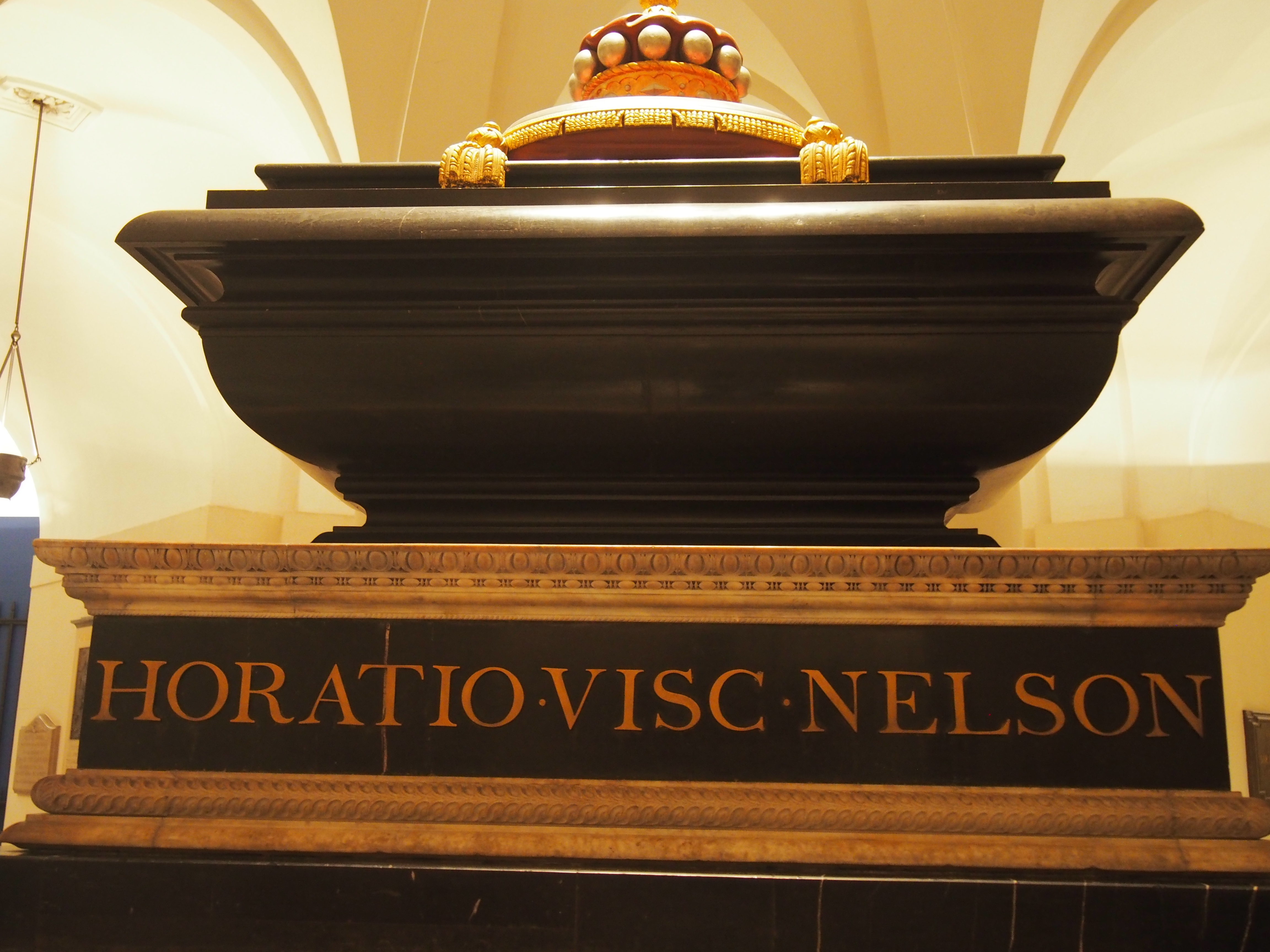
Nelson’s Tomb in the Crypt

The Tower of London

This was also much changed … had to be, obviously, to handle the increased number of tourists since 1988 … a completely new ticketing and entry area for a start.

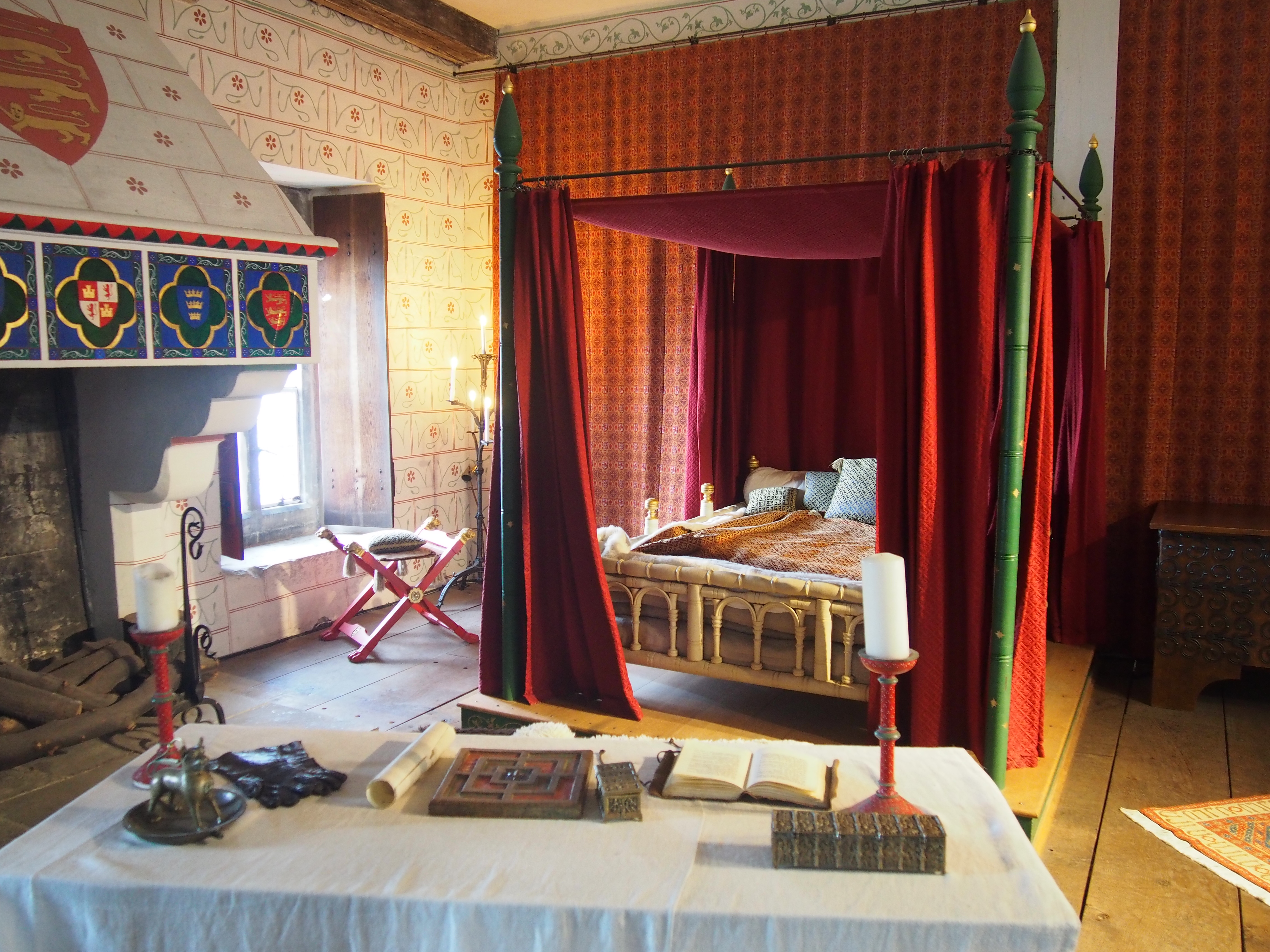
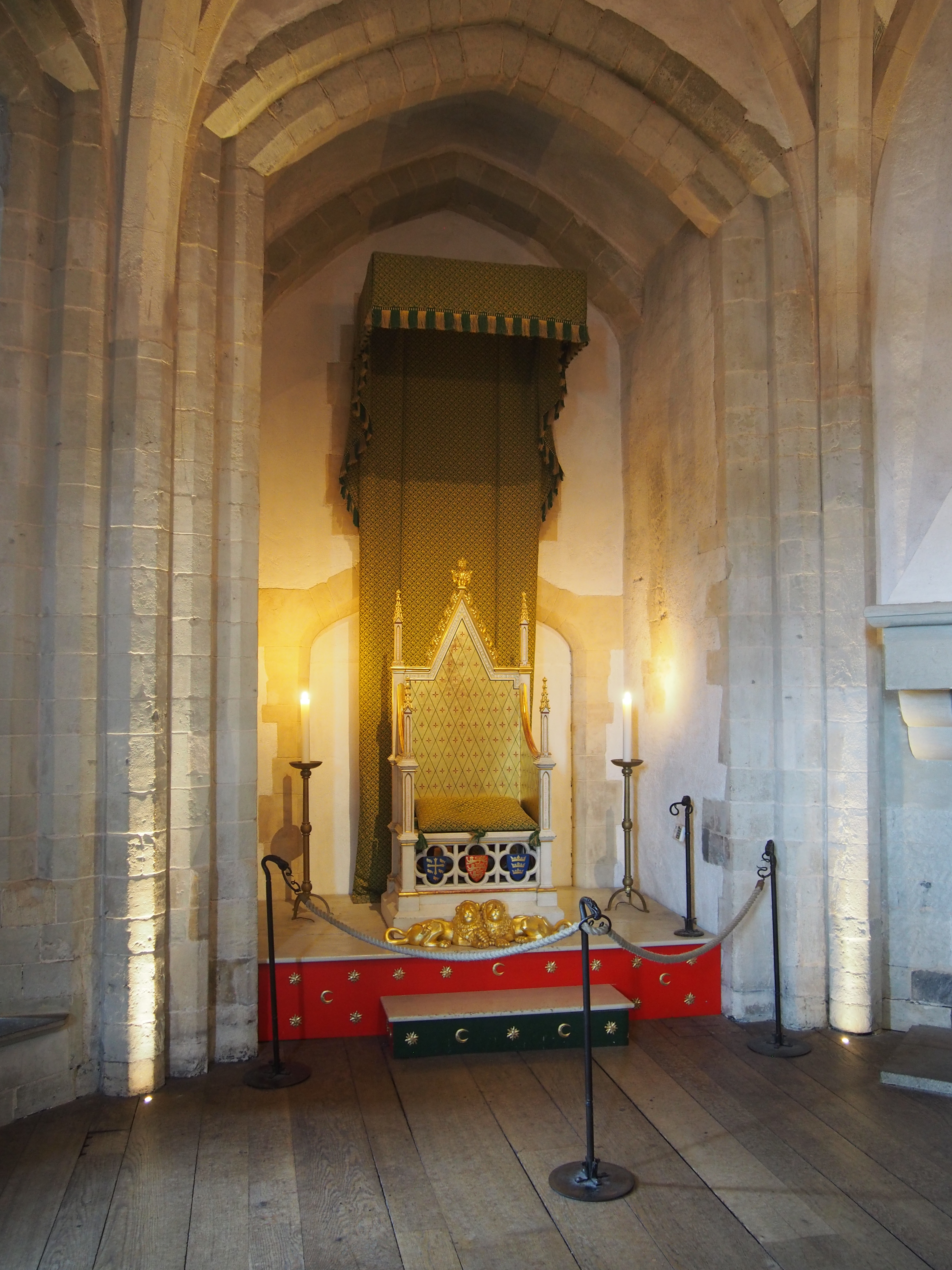
Inside there are major changes as well. The riverside towers (the original ones, not the later additions) have been set up to show how they would have been when they were actually one of the Royal Palaces … the first ones show the internal wall and roof structures, then the wall coverings used, and, finally, several rooms have been partly set up to show what a Royal Bedchamber would have been like back in the 13th century as well as a Royal reception area with modest throne and a Private Chapel.

The Crown Jewels are impressively gaudy as usual … and I dunno whether I was just lucky or not, there was effectively no queue while I was there and it was just a steady walking pace all the way through (I guess I must have been lucky as there were winding crowd control barriers on one side of the entry, they just weren’t being used).

I didn’t see the White Tower as there are several hundred steps and my knee has been on the verge of acting up as it sometimes does when stressed … so all that climbing was a no-no.

Anyway, I had a good look at all the highlights.

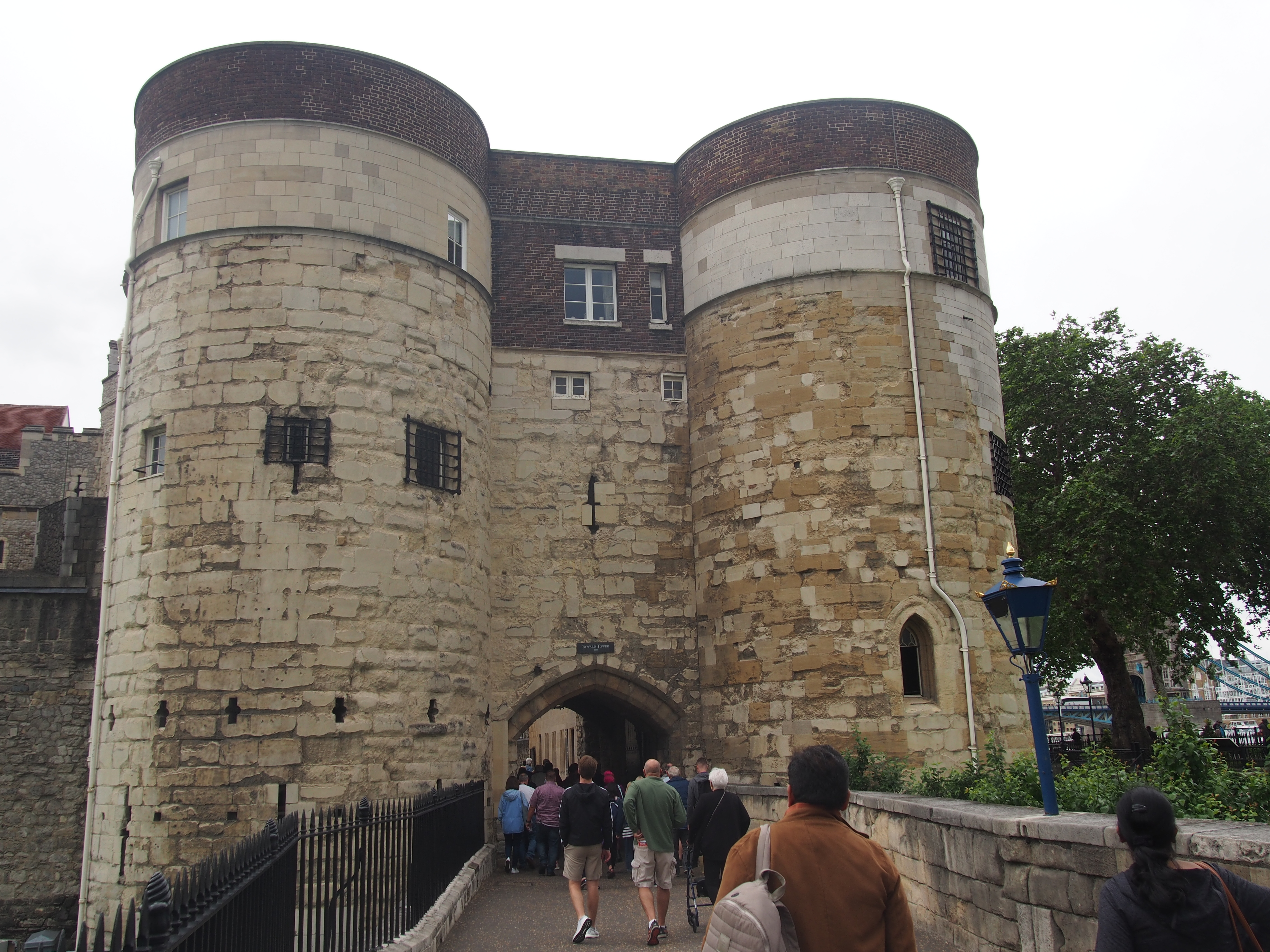
The main Gate (well, the main tourist gate)
A reconstruction of one of the Tower Rooms (as a Royal Bedroom) from when the Tower itself was an actual Royal Palace. Note the sparseness of the furnishings and other items – and this was a King’s bedroom!
A reconstruction of the Royal Throne and Dais next door to the Royal Bedroom in the Royal Audience Chamber

Off to the V&A and other Kensington Museums tomorrow!

The British Museum

Tuesday (4th June) was dull, dark and gloomy and rained (drizzled) intermittently … so I picked somewhere to go where I could reasonably expect to spend a whole day indoors.

The British Museum.

Apart from the completely remodelled central Atrium, now a mix of open space and a temple to commerce, the museum itself doesn’t seem to have changed all that much.

Lots of antiquities. I hit the Graeco-Roman classical section first … I always find the Attic Black Figure pottery outstanding as a perfect example of the effective mix of form, decoration and function … all done largely by hand and around 2400 years ago.

The Elgin Marbles (from the Parthenon) are still impressive, especially in the large hall (purpose built) they’re displayed in … regardless of the pseudo-controversy of who owns them (how far back in time does ownership go? And, of course, despite the preference of the current occupants of the Greek peninsula, they are largely of slavic or non-hellenic blood and have been for around 1500 years, so claims of ‘prior ownership’ are arguably specious … but don’t try and befuddle a Greek with the facts!).

Anyway, the Rosetta stone was next, much more impressive in actuality to the replica on display at the Egyptian Museum in Cairo (and here again politics vs reality rears its ugly head … how far back does ownership go, especially if the current population is far less than 100% ethnically identical with the one that created the thing … the Greeks, if push comes to shove).

The massive Assyrian lamassu of the Balawat gate are impressive as well, sadly more so since the ISIS nutjobs deliberately blew up pretty much all of Nimrud.

The Balawatb Gate Lammasu – these are the remnants of a huge crowd of (Spanish? Portuguese? Probably not French or Italian) tourists who had infested the space taking selfies (and, it seemed, selfies of each other taking selfies) for the previous five minutes or so!

Then on to the Roman Britain and Medieval Europe galleries … the Roman Britain ones had several very impressive treasure hoards that had only been discovered after my last visit in 1988 … almost all dating back to the late 300’s or early 400’s when the Empire’s control of the western provinces was slipping away. Some of the plate and tableware are very impressive … obviously belonging to late Romano-British aristocracy, real works of art which have only survived being melted down because they were hidden and never recovered.

The Sutton Hoo treasures were also impressive, and better displayed than last time I was there … and the famous Helmet (a copy of a Late Imperial Roman pattern) was supplemented by a modern reproduction. The original had been crushed and shattered when the superstructure of the ship grave it was buried in collapsed and, though painstakingly reassembled and impressive in its own sad way, the reproduction lets you see exactly what it could have looked like ‘back in the day’.

And that was most of the day … it’s a big place.

The one thing that was quite annoying was the number of bloody tourists … no selfie-sticks (maybe they’re banned?) who, of course, congregated at all the important spots in hordes. Still, not as bad as the Louvre where the staff forcibly closed it recently because they were overwhelmed by the crowding. Even the IWM wasn’t anywhere near as bad (and not was St Paul’s Cathedral, which I’ll try and post about in a couple of days). So not a lot of photos to post, even if WordPress made it easy to do so.

Anyway, that’s all for now …

Phil

The Imperial War Museum

Got up about 8 and was ready to head off about 9:20 , taking a leisurely stroll through Elephant & Castle and surrounding areas to get to the IWM about 9:55, waiting for its 10 am opening.

The last time I was there, in 1988, it was in the throes of a refurbishment and 90% of it was blocked off. You wandered through narrow passages of plywood with the occasional display visible through handy, but small, holes and the atrium, where the bigger items were, was also mostly closed off.

Evidently there have been (according to the staff) at least two other refurbishments or reorganisations since then and, indeed, it’s in the throes of another, which is supposed to be complete by 2020 or 2021 … fortunately, this time, 95% of the museum seemed to be open!

It’s not as big (or doesn’t seem to be) as the Australian War Memorial Museum in Canberra and the displays, while impressive, are not as extensive. Unlike the AWM, for example, it doesn’t have anything much about pre-WW1 conflicts … just a single small section tacked onto the beginning of the WW1 section which had very little.

Don’t get me wrong, the displays are well done, very well done, in fact, but the expanded AWM is more impressive – probably because it doesn’t have the space limitations.

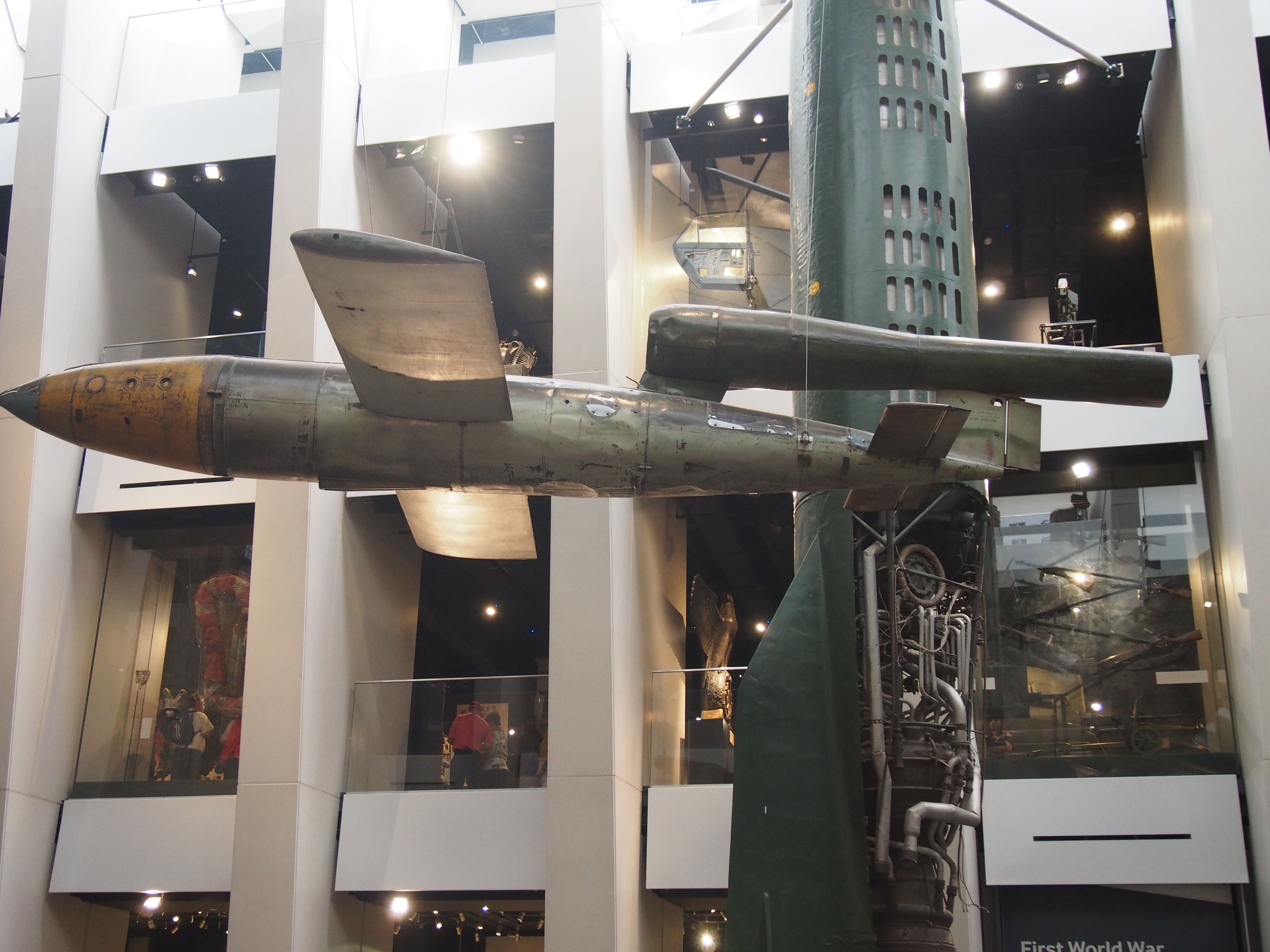
For example, the Atrium is the only space where really large items can be displayed – and it has a battle scarred 13 pdr field gun used in WW1 (part of a battery which earnt 2 VCs in one early action in 1915), a Landrover used by Journos in the Middle East (battered and bullet/use scarred), a cutaway V2, a V1, a Spitfire and a Harrier as well as a T-34/85 captured by the Israelis in the Middle East … but their Lancaster is just a cutaway section of the nose of one, to just behind (I think) the Radio Operator’s position … not like the full catastrophy of the entirety of the AWM’s G for George.

V-1 with a partly cutaway V-2 behind it … showing just how cramped the Atrium is!

The WW2 display was also well done, but limited … and the postwar (Cold War, Korea etc) area also quite small, ditto the section on Northern Ireland.

Harrier with part of Spitfire in the foreground … and the entry to the building in the middle rear. Really cramped space.

The most impressive section of all, however, was the Holocaust display, which was quite comprehensive (and just as depressing as the ones in the US and Berlin).

Anyway, all that took me through to about 4 pm when I headed back to my room, as my legs were starting to cramp a bit, probably from the narrow seat-beds BA has … ghu knows what they’d have been like if I’d flown Cattle Class.

I’ll see about posting some photos, but probably to DropBox as, as I noted earlier, posting them here on WordPress seems to be excessively complex and counterintuitive.

Phil

Sydney to London

The flight(s) were fine(ish) … except that both of them seemed to have the internal cabin temperature too high … not only didn’t I need any of their bedding, but it was sweaty.

The departure experience from Sydney has improved markedly since my last trip in 2014 … the new screening procedures don’t require you to take off your shoes any more, for example.

Singapore, however, was another matter entirely … even though everyone was, of course, screened before we left Sydney and, presumably, passengers in the secured Departure area of Changi had had to have been screened before they were allowed to enter there, for some reason we had to be screened again before boarding our onward flight. And, no, it was far more painful and backwards than screening in Sydney. Not quite over the top paranoid, but certainly aiming for that ballpark.

Shoes off, not trusting the full body X-Ray scanner and then physically patting you down (not randomly, either – unless ‘random’ in Singaporean practise means ‘pat down 3 out of 4 passengers’).

Arrival in London was far better than reported in many travel publications – or maybe it was just the very early arrival (which, even at 50 minutes late, was still at 6:45ish). Perhaps the fact that Aussies (and some others) could now use the ePassport Gates rather than queue with the ‘Non UK/Non EU’ bunch made a difference, as it seemed to spit people through in about 2-3 minutes per person. Baggage claim was slow(ish) … but I was through and out within 40-50 minutes rather than the delays of 2-2 1/2 hours claimed by many travel journos in recent months.

Once on British soil I headed for the British Airways Arrival Lounge (for Business Class and First Class passengers) where I was able to have a shower (close to 100 cubicles!) and get completely changed out of my by now sweaty and smelly clothes (never needed to do that on any previous flight to North America, but I already mentioned that the cabin temperature seemed too high). Then I rested for several hours and booked a Minicab to take me direct to my Hotel rather than brave the Heathrow Express or the Underground with my luggage.

A series of minor but time consuming mishaps meant that, by the time I was ready to venture forth, it was past 4 pm and the IWM closes at 6, so I just headed out for a late lunch (or perhaps an early dinner) and retired to my room for some R&R, planning to head to the IWM tomorrow.

Phil