What can I say? If you’ve seen the Mary Rose you’ve got to see the Vasa – which is around a century or so later, but much better preserved because of the exceptionally cold waters of the Baltic (amongst other reasons).
Why did she sink? Well, it was the first big new ship constructed by Gustavus Adolphus’s new foreign shipwright and evidently he allowed GA to mandate the dimensions … so the darn ship was to narrow in the beam for her size and if she’d taken aboard the amount of ballast that was needed to make her stable, the lower level gunports would have been awash.
So she didn’t. So the first strongish breeze that hit her started to capsize her … and a second gust finished the job. She’d been at sea less than half an hour.
No one was blamed at the court of inquiry (or, at least, no-one has been able to find any record of blame being apportioned in any of the surviving documentation … there were too many important people involved at all stages of the busted decision tree and all of the people on the investigatory panel were, surprise surprise, all involved in those decisions).
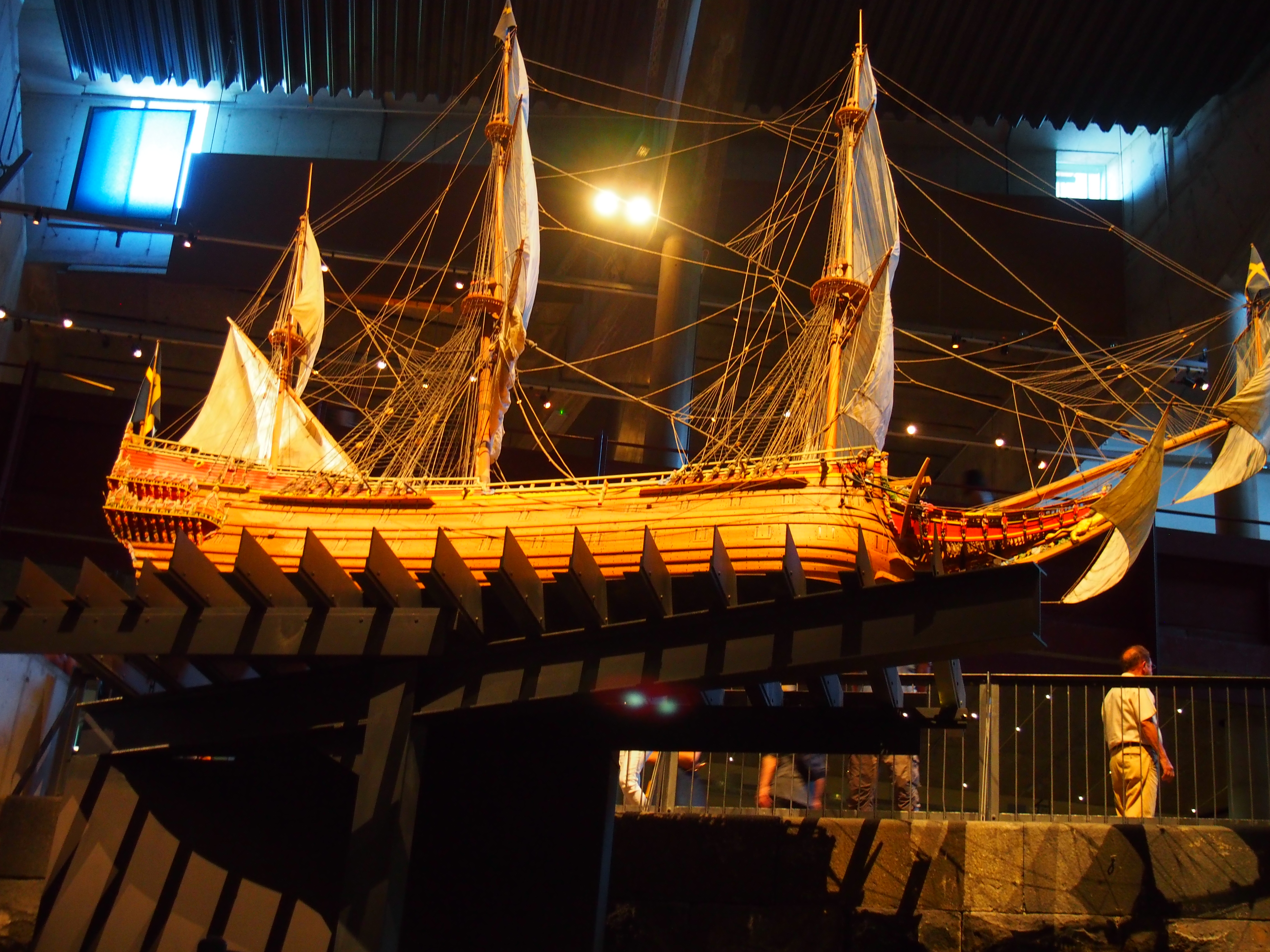
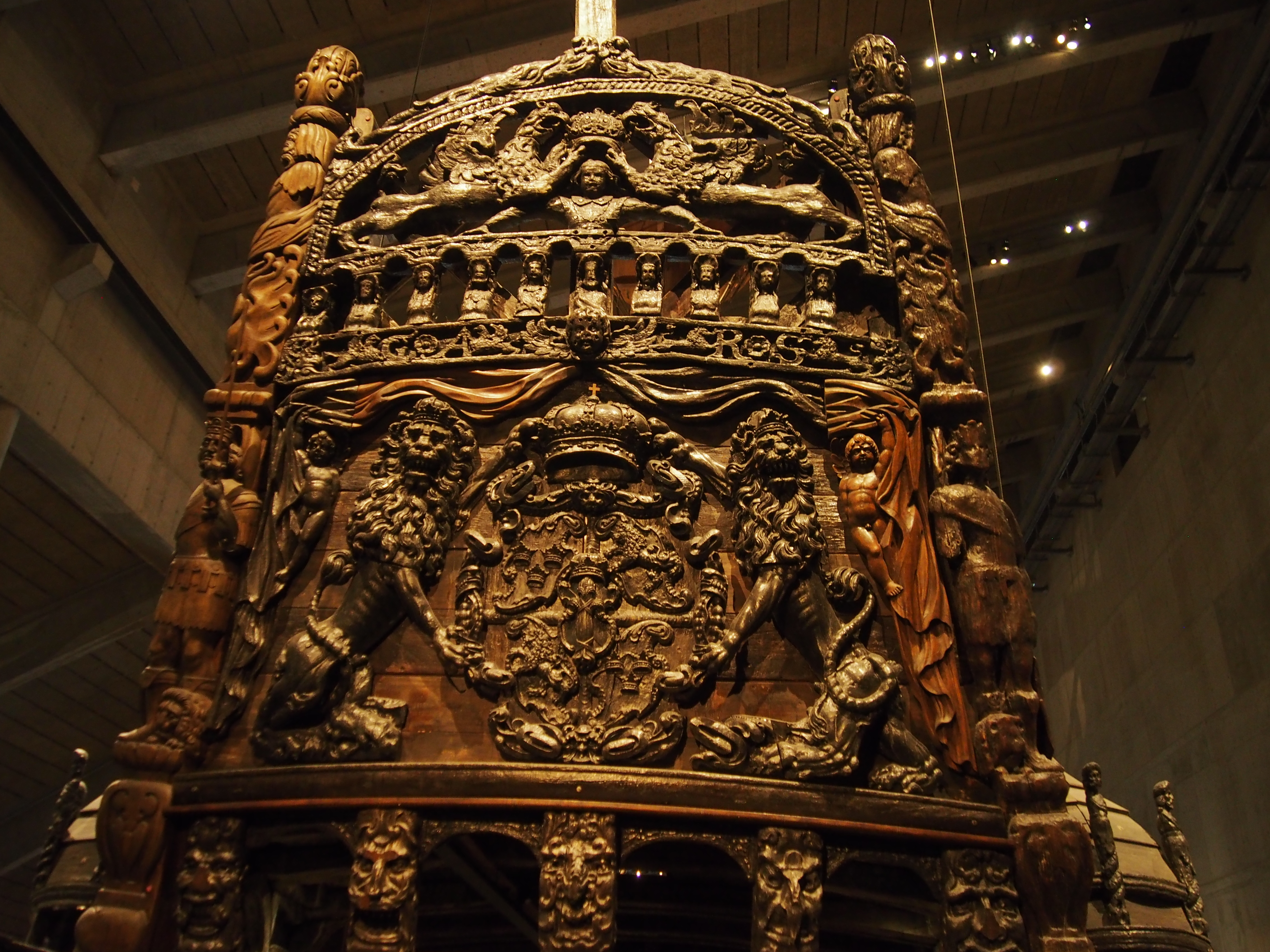
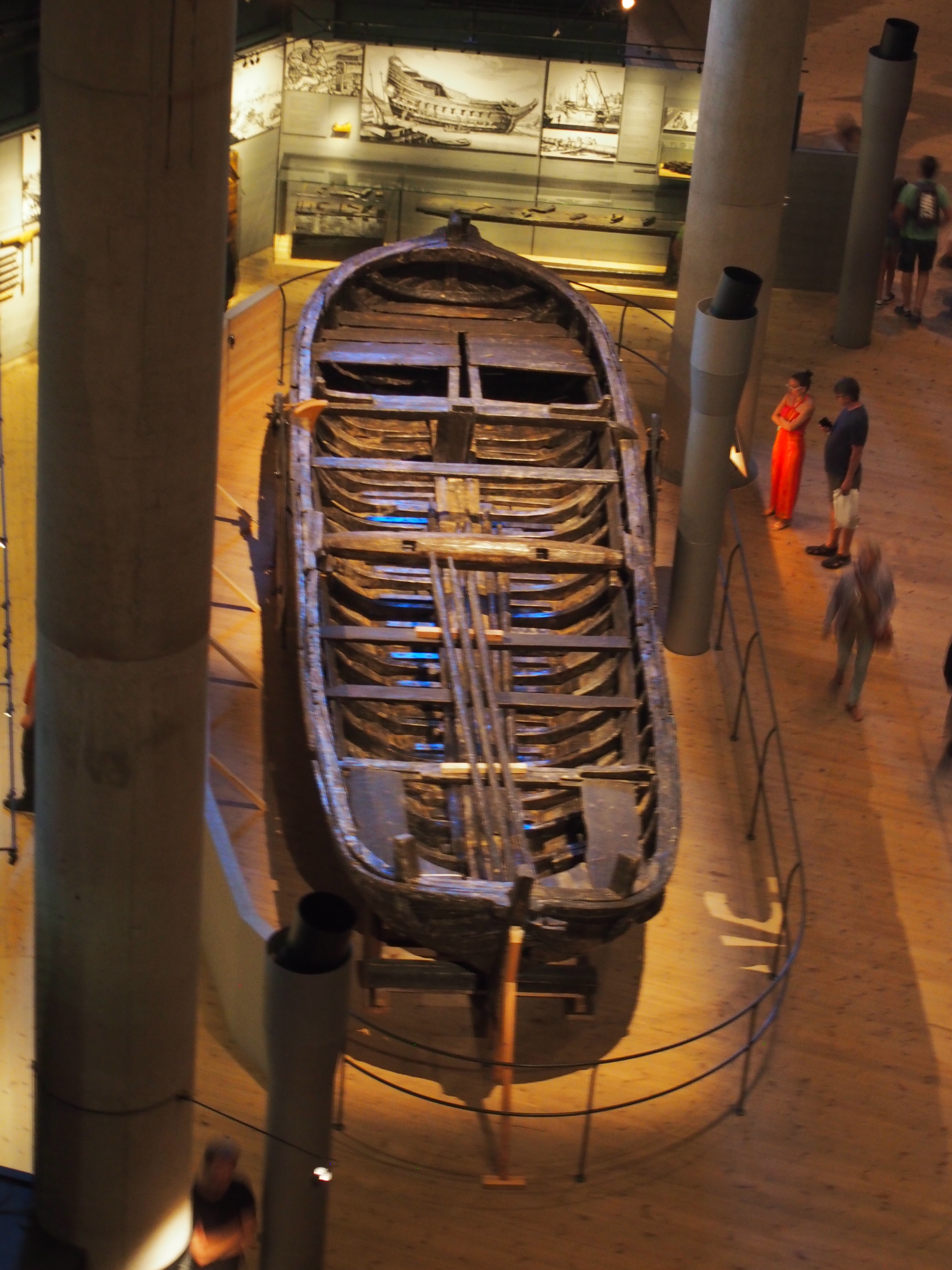
Looks pretty good, doesn’t she? She’s about 98% original – with some additional modern bits (the ropes in the rigging, obviously, the masts or parts of them etc.)The Sterncastle. You can sort of get a perspective of how narrow the beam was.A model of what she probably looked like when she set out on her less than six hour cruise!The sterncastle decoration – not all of it is intact, some bits fell off as nails lost their grip or treenails and wooden dowels rotted … many of those bits were able to be re-situated with some careful detective work, but not all. Still, this is probably close to what it would have originally looked like.One of the Vasa’s longboats survived as well.
Stockholm open air museum
This is situated at Skansen, one of Stockholm’s many islands, and the end of one of their tram lines.
It contains original buildings from many places all over Sweden or, in at least one case, what was once Sweden, but is now Norway, and in another case, in Finland or, possibly, in parts of Sweden where Finns were invited to settle during the early modern period (i.e. the 16th century or so).
A 14th century Storehouse – large and small. The style remained pretty much unchanged from at least the 11th century through to the 17th or 18th except in the case of dwellings, which, of course, added chimneys.This one’s from Finland. Apart from the stuff growing on the roof (originally on a base of birchbark) it’s almost exactly like the one above … and very similar to US colonial era Log Cabins.A pole-pivot windmill – again, around the 14th or 15th centuries.
It’s really amazing how little the building styles changed over so long a period – of course, wood was cheap (cheap and plentiful enough such that half-timbered construction wasn’t really necessary) and stone was dear, and brick was expensive.
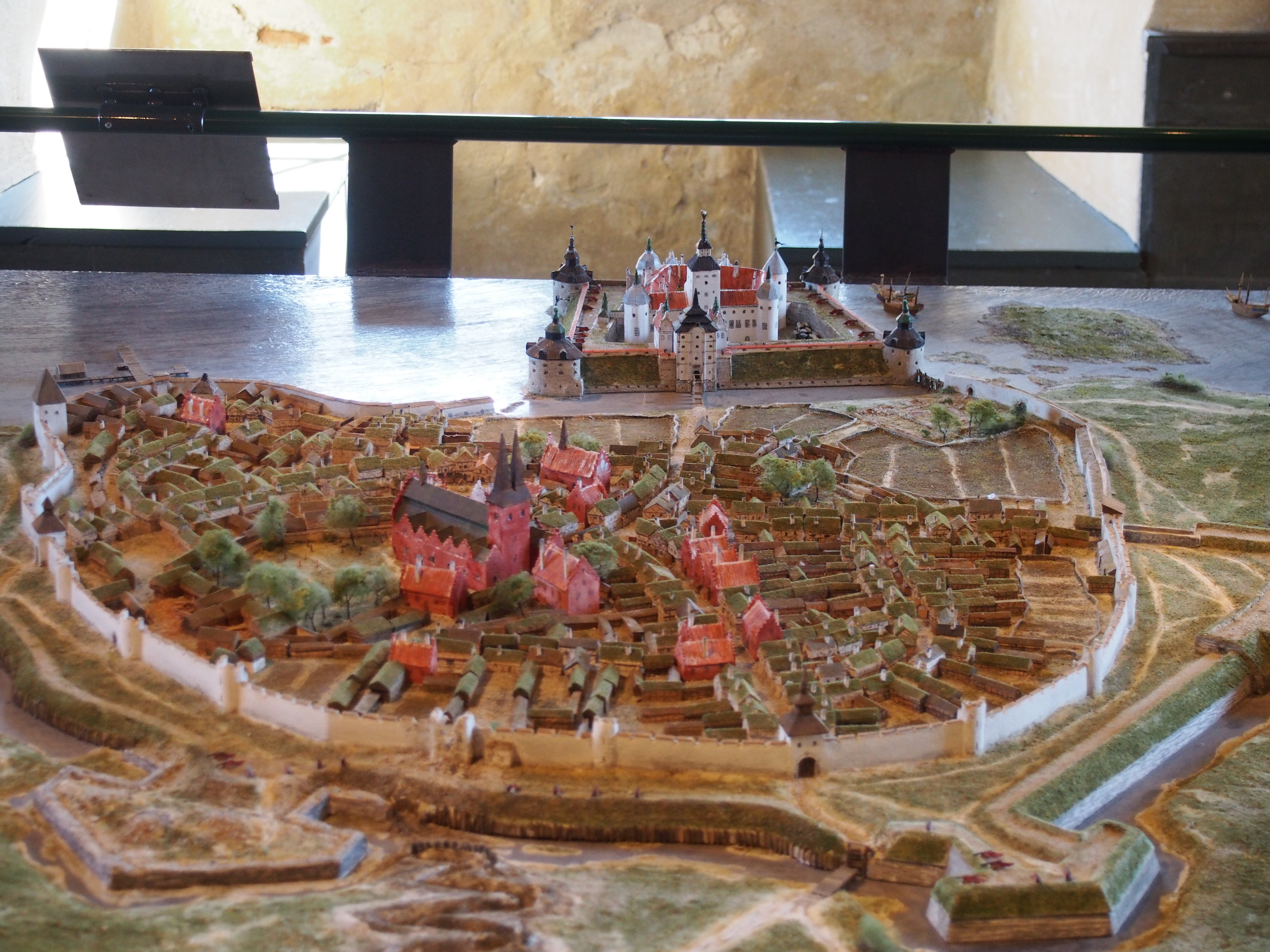
Kalmar Slott (literally ‘fortified palace’ … but loosely used for converted castles as well as regular castles as well) was, for several centuries, a major coastal fortification (mainly protecting against pirates – but equally as often against marauding Danes) the place where the Union of Kalmar (uniting, in theory, Sweden, Norway and Denmark under the Danish Crown) was signed and, after the border with Denmark was pushed down south to the southern coastline, a Royal Palace, a Prison, a Distillery and, finally, restored in the early 20th century.
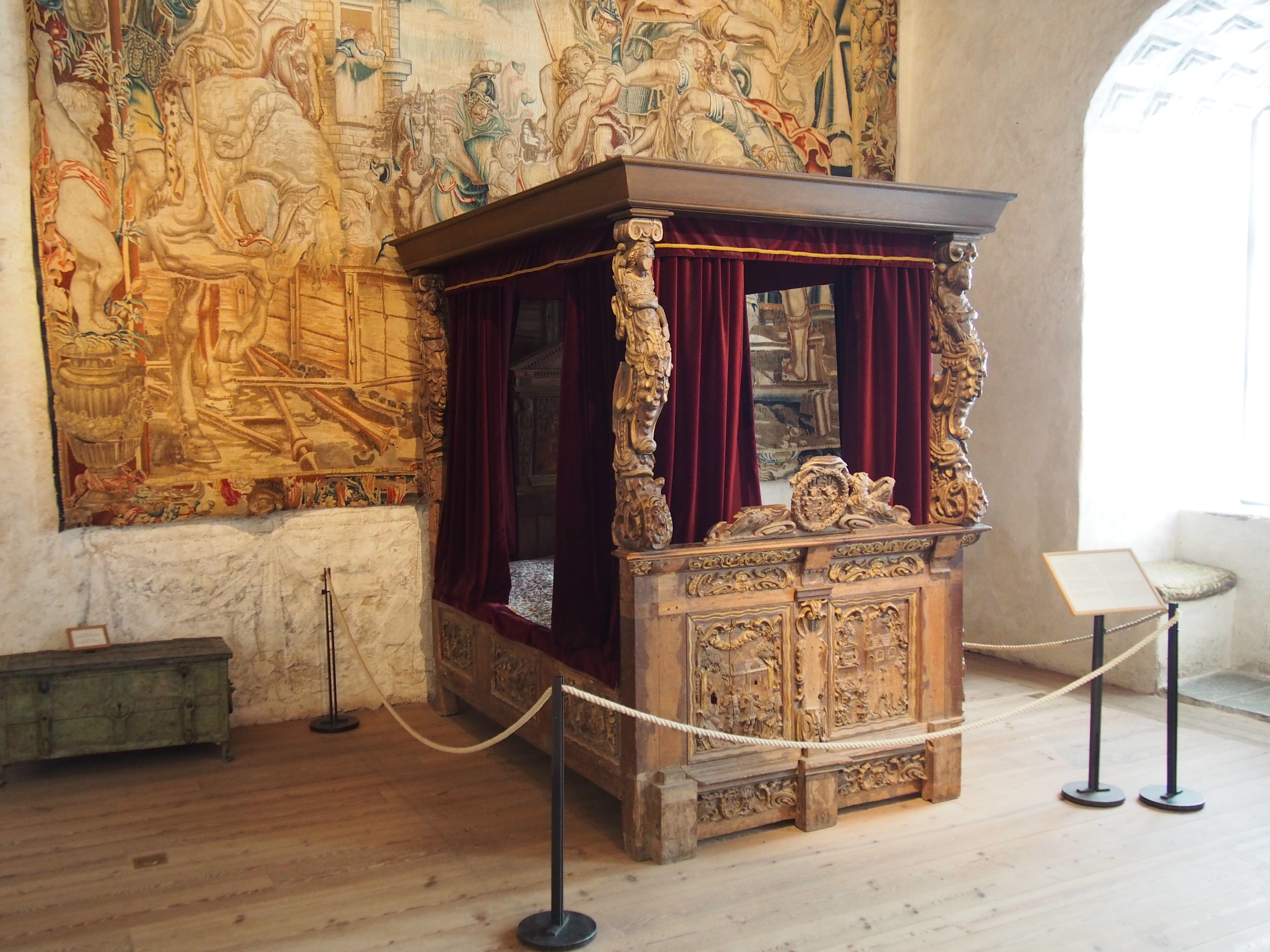
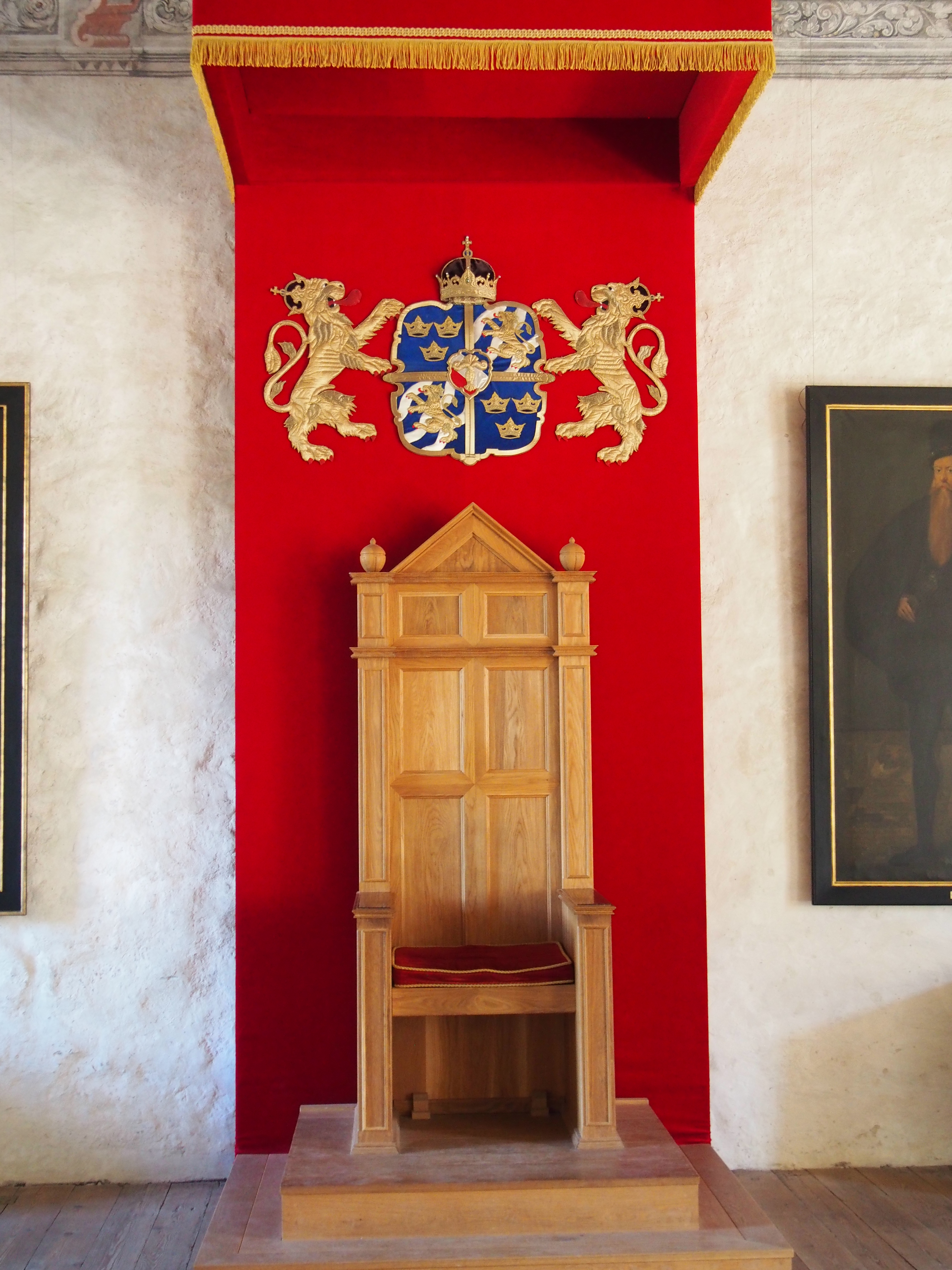
One of the middle-period iterations of the Castle – the round Tower was the original fortification with a wooden palisade more or less where the stone one is on this model.The palace Dining Room, set up for and Easter Feast in the later 15th century, as described by a traveller who was invited to watch, but not dine.One of the Royal beds, or, at least, one from around the same period standing in for the type of bed that would have been here.A reconstruction of the original throne.The Castle and the Town around the time of the great siege – this isn’t the final iteration of the castle, though, that was after the introduction of gunpowder on a large scale and involved massive reconstruction for the new era.
As you may know, Karlskrona is one of the main Swedish naval bases – and has been since the late 1500s. The Swedish Navy has a large museum there- most of which was simply too dark to photograph, but there are some display ships outside …
The Vastervik, retired in the late 1990s – a Guided Missile Patrol Boat.MTB T-38 a 1960s Motor Torpedo Boat … being worked on.The Minesweeoer Bramon, used to enforce Swedish neutrality during WW2. Or, at least, all that I could fit in frame.
One of the first, if not the first museums of its type, it was begun with private initiatives to gather buildings and other memorabilia of the Netherlands’ past … even its recent past.
There are medieval buildings which, at least in part (for some) date back to the 14th century right through to late 19th or early 20th century buildings kitted out as they would have been when part of migrant ghettos in the 1950s and 1960s.
Yes, there are even Windmills.
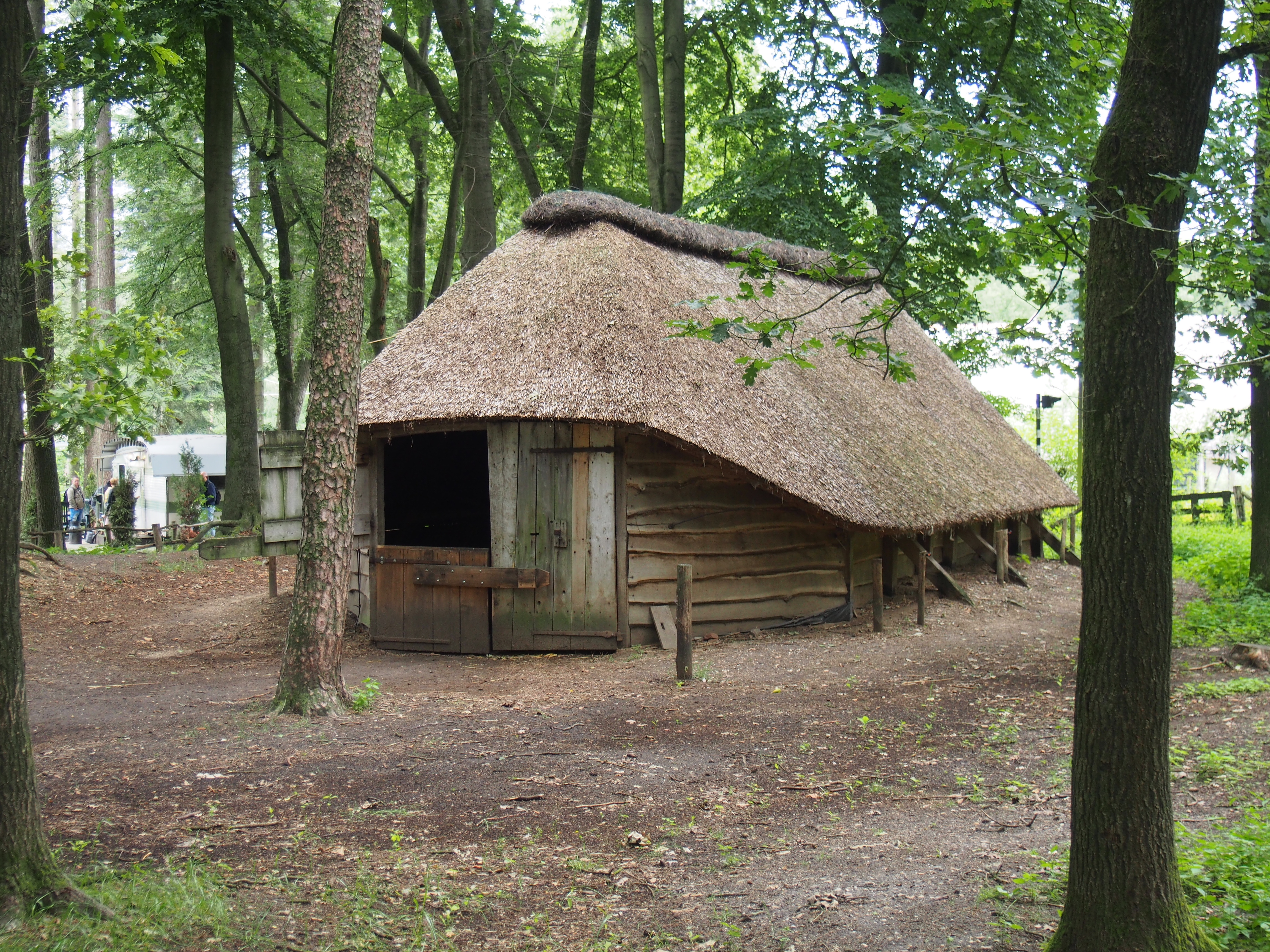
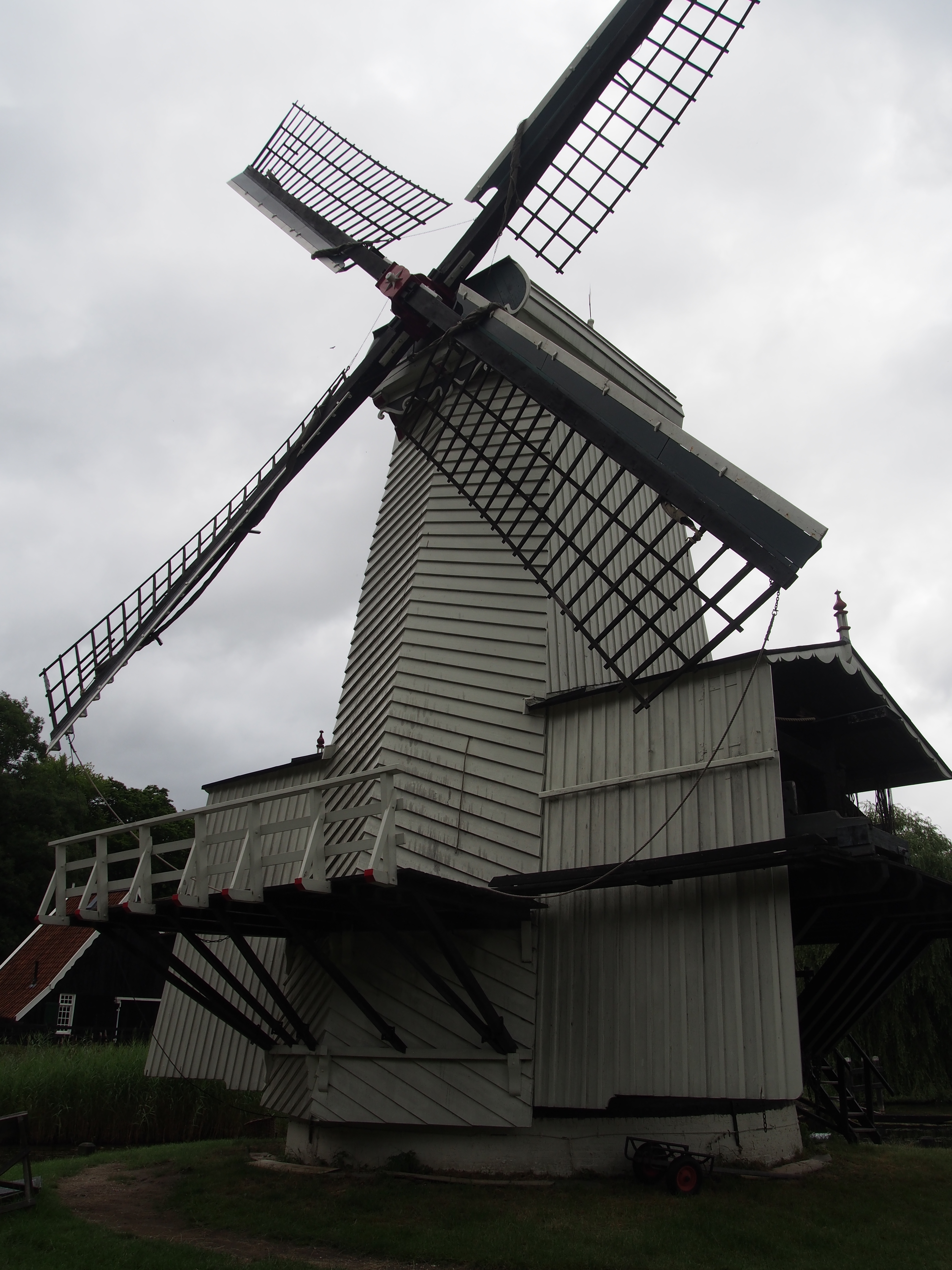
A Cow Byre in the form that would have been common in the Late Middle Ages through to the 16th century or so.One of a number of Windmills, from small (for pumping drainage ditches) to large, for grinding grain or, as with this one, powering a saw mill (rear of structure- facing a pond, so difficult to get a shot)The Owner – surveying his domain!
On picking up the car I drove from Paris (a minor nightmare getting out, not because they drive on the right, but because the traffic around Charles deGaulle Airport is horrific) to Villers-Bretoneux and the Australian WW1 Memorial … and, of course, the snazzy new Sir John Monash Centre with its multimedia museum displays.
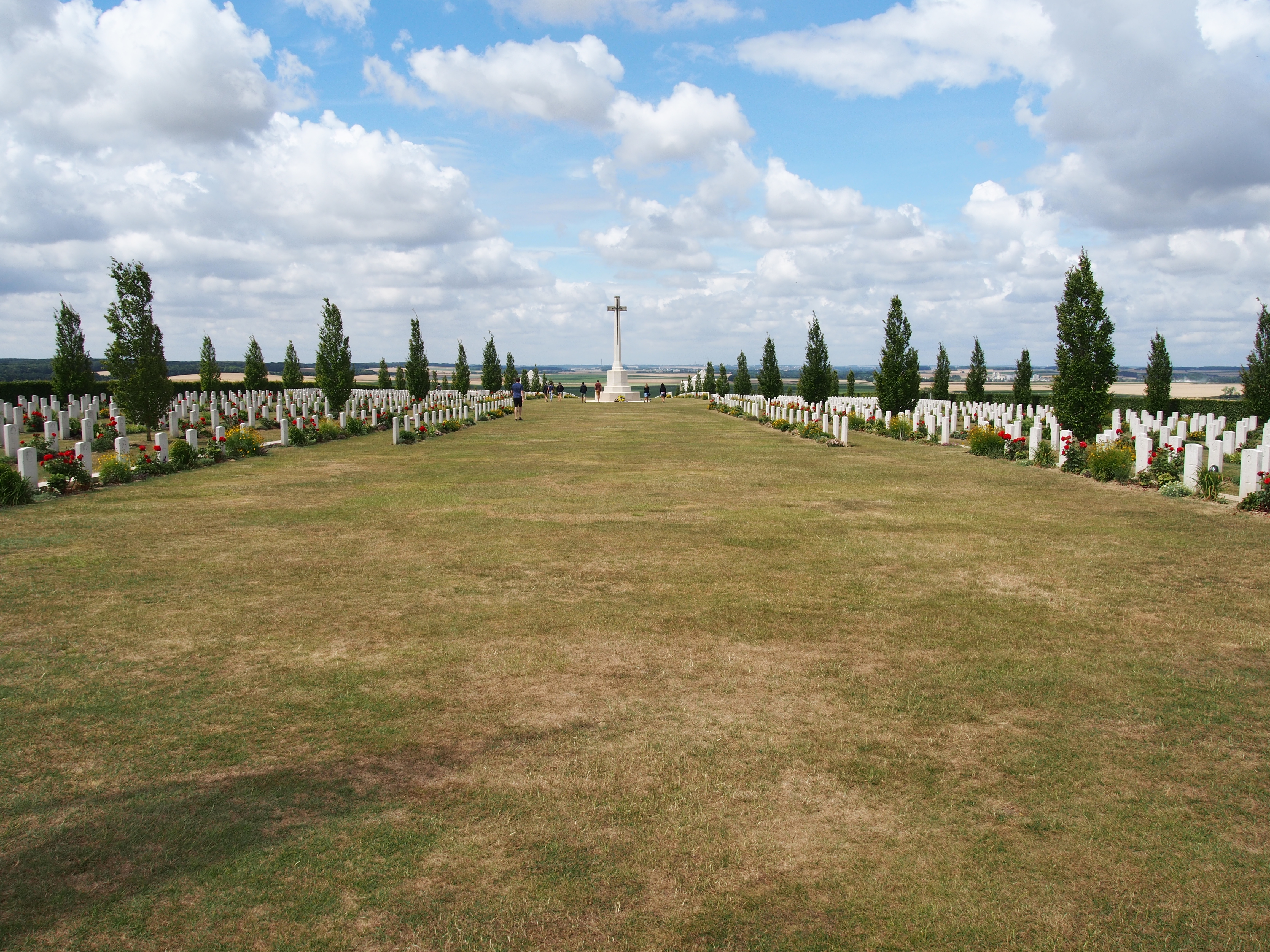
That’s the main memorial – the Australian bit. There are rows of graves marked by small headstones on either side, off frame. Around 2100 soldiers who died in the battles around here are buried there … and about 600 of them are ‘known only to God’, some of whom not even their nationality is known (the graves encompass Canadians and Brits as well)
Really quite sad, not only the ages (young) for most, but the fact that so many are unidentified – though, as they point out in one of the explanatory plaques on one side, the work goes on and the Australians usually manage to ID one or two more every now and then, usually with familial DNA testing … usually those whose unit is known, as this enables them to track down potential relatives. For some, however, they will probably never be identified.
The central cross, taken with the tower at my back, with the graves on either side.
The SJM Centre is partially buried and behind the tower, out of sight … there’s really not a lot inside to photograph, most of the included artifacts are quite small (the biggest are some of the machineguns) – and the real emphasis of the museum is on the multimedia displays and video clips, of which there are many. Very well done. Should have been in Australia, though.
That’s all I’ve got uploaded onto my PC. One night soon I will upload those which are still on the SD Card in my Camera and then do some more posts. But this is as far as I’ve managed to upload so far.
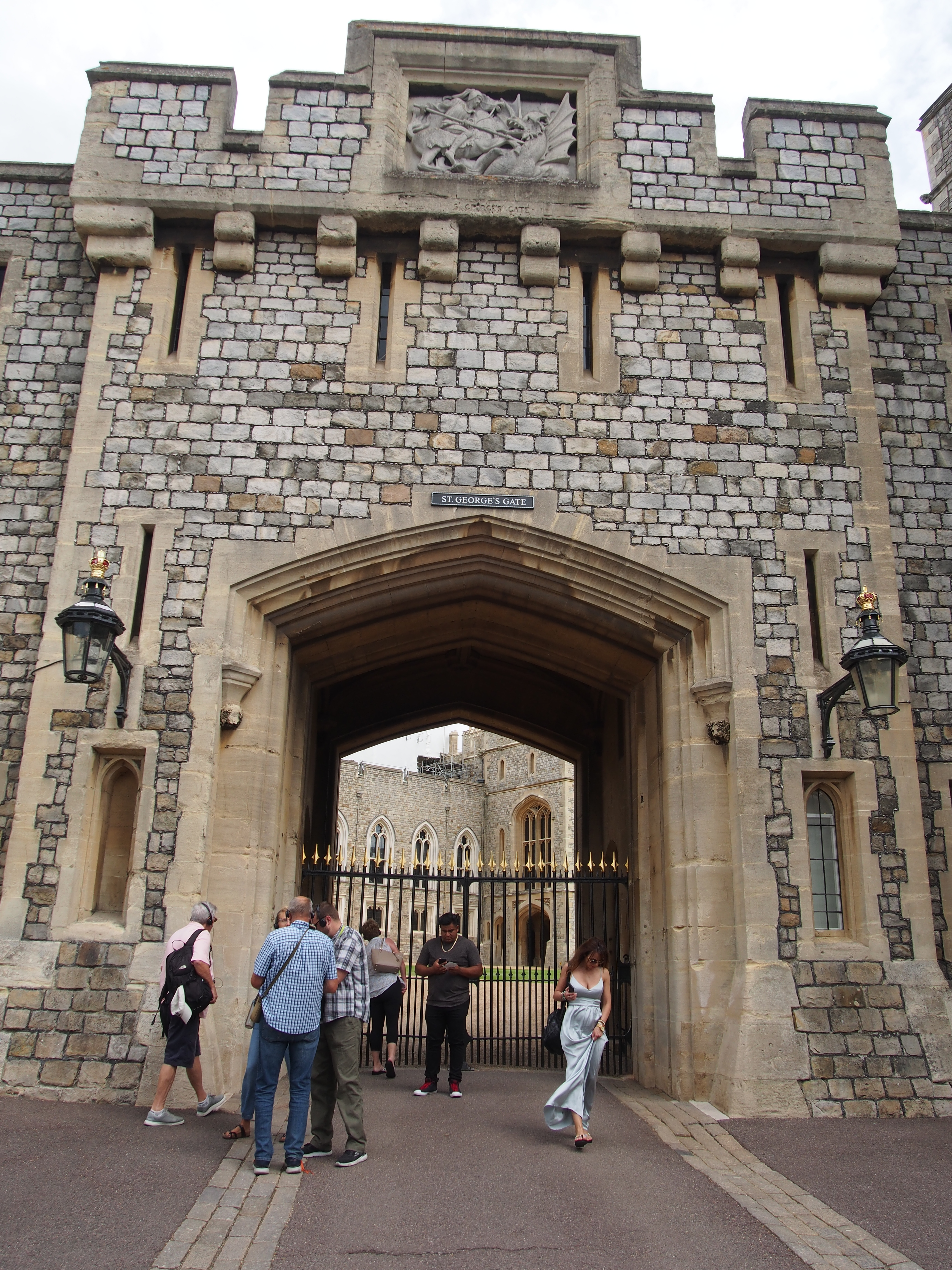
What can I say? Like many man many hundreds of tourists from all over I made the trek to Windsor to see the Queen … pity, she wasn’t at home 😉
The main gate – but not for the peasants, we had to turn left, off camera. This is strictly for the elite and the family …The central tower on the motte.
Of course you don’t actually see any of the Royal apartments, you see the old Royal Apartments dating back to Charles II’s day … though portions of them were still used by the Royal Family as late as WW2.
Now? They’re set up and furnished to give you an idea of what they would have looked like back in the day – over the top elaborately furnished and equipped, of course. No photos, sorry, there are no photos allowed.
They also direct you through the portion of the castle that was severely damaged by fire (destroyed, more or less) … and I must say that the restoration work was top flight! The hammer beams of the roof in the main hall were duplicated perfectly, for example.
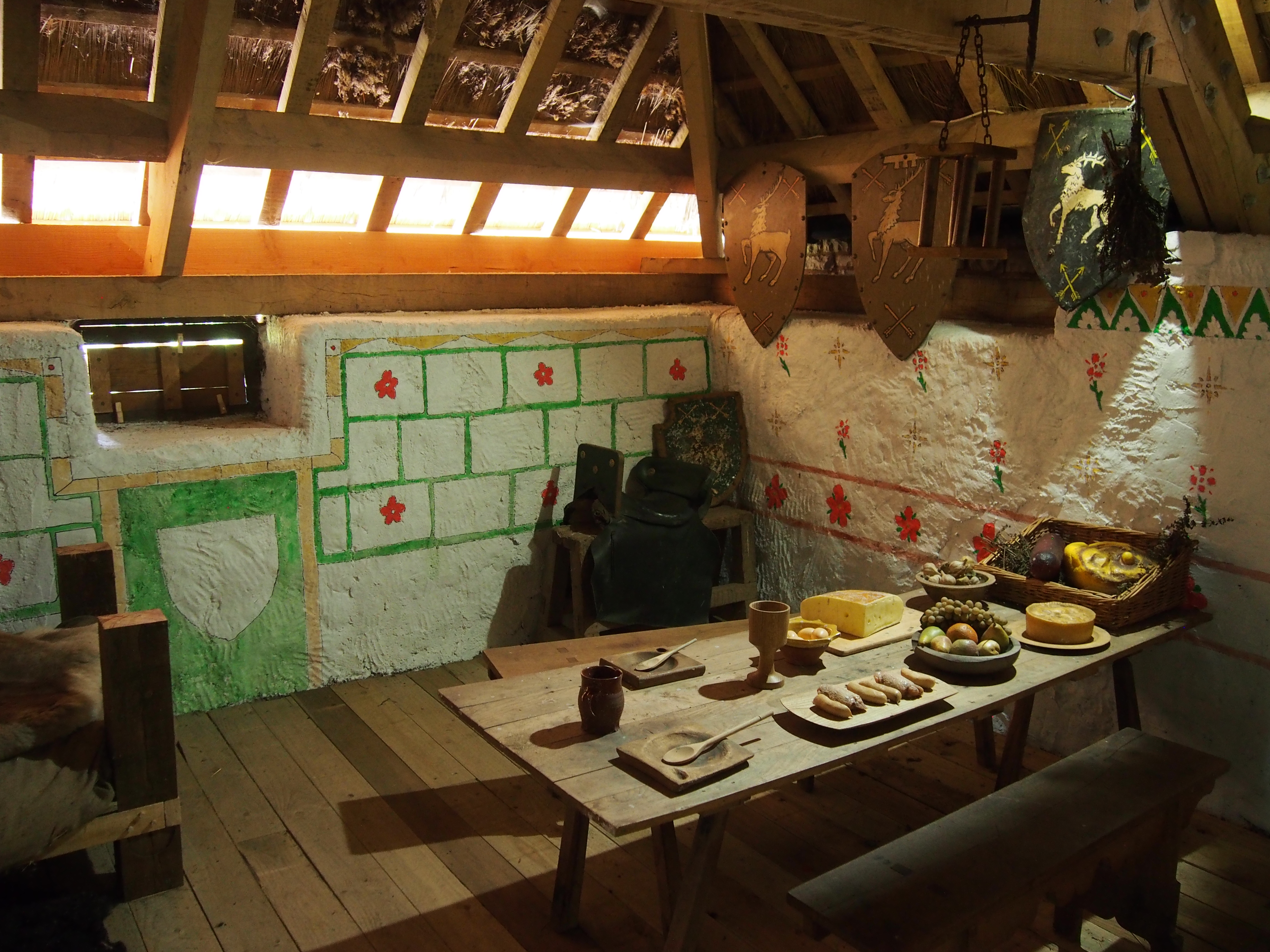
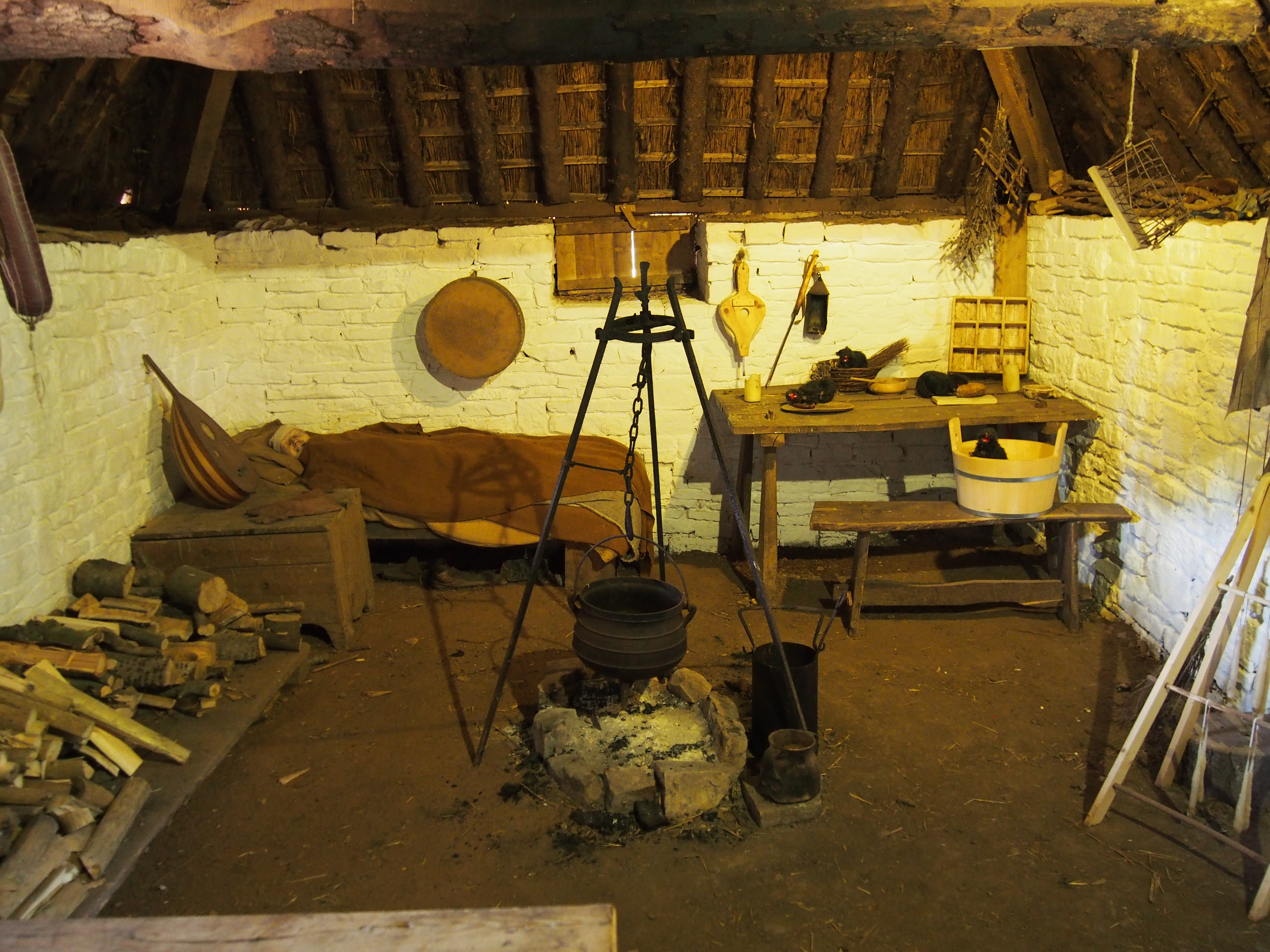
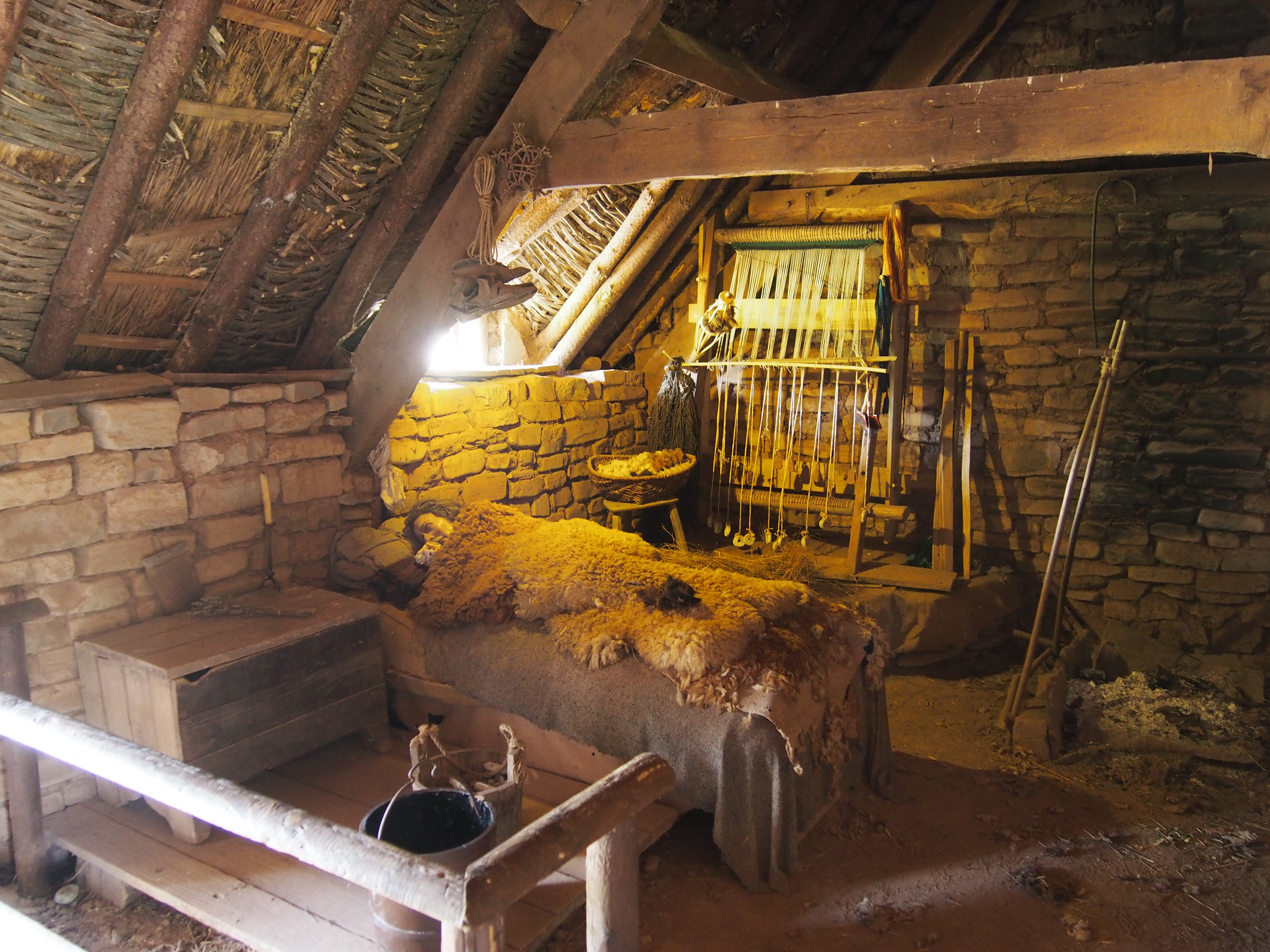
Cosmeston is a recreation of a medieval Manor which actually existed in post Norman conquest (of Wales) times just to the west of Cardiff. Only part of the site has been excavated (the rest may be, one day, as I think the land is owned by the local Council) and buildings have been recreated on the sites where they originally stood, based on excavated foundations.
While I was there the place was deserted – weekday, see – it may have had better presentation on a weekend, but the audio guide was reasonably comprehensive.
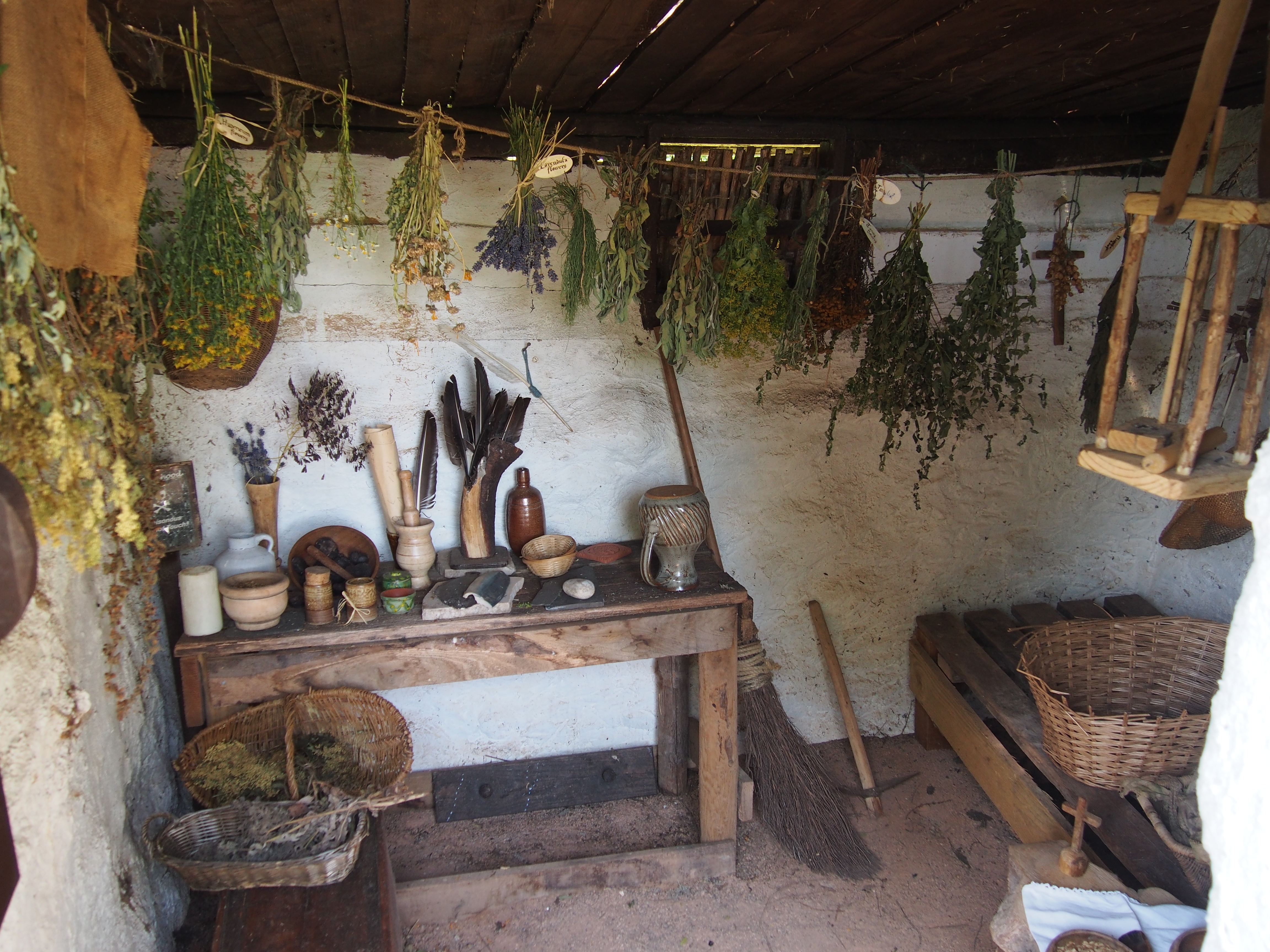
Herbalist’s Work Shed, probably belonging to the Parish Priest. There is a small representative herb garden out the back, but the original would probably have been much largerThe Bailiff’s House, interior. Notice the luxurious plastered walls which have been whitewashed and painted with simple designs. Also note the expensive pottery on the well appointed table!The Swineherd’s House … also plastered and whitewashed, which was unusual, but evidently the Swineherd was unmarried and paid extra for his house to be plastered so that the Lord’s pigs would be extra specially cared for. He lived at one end with stalls for the pigs taking up the other two thirds of the interior. There was also a stone-walled pen at one side.A more typical Peasant’s hut occupied by a Mercenary Archer (retired? seasonally employed? those are Longbow staves in the rack on the wall) … unplastered walls and scant possessions. In this particular case he doesn’t even occupy the whole hut – only half of it. The other half (behind me, and too badly lit to photograph) was occupied by another single guy who was evidently at least a part time fisherman (there’s a nearby lake and the sea was closer back in the day).
Tintern Abbey
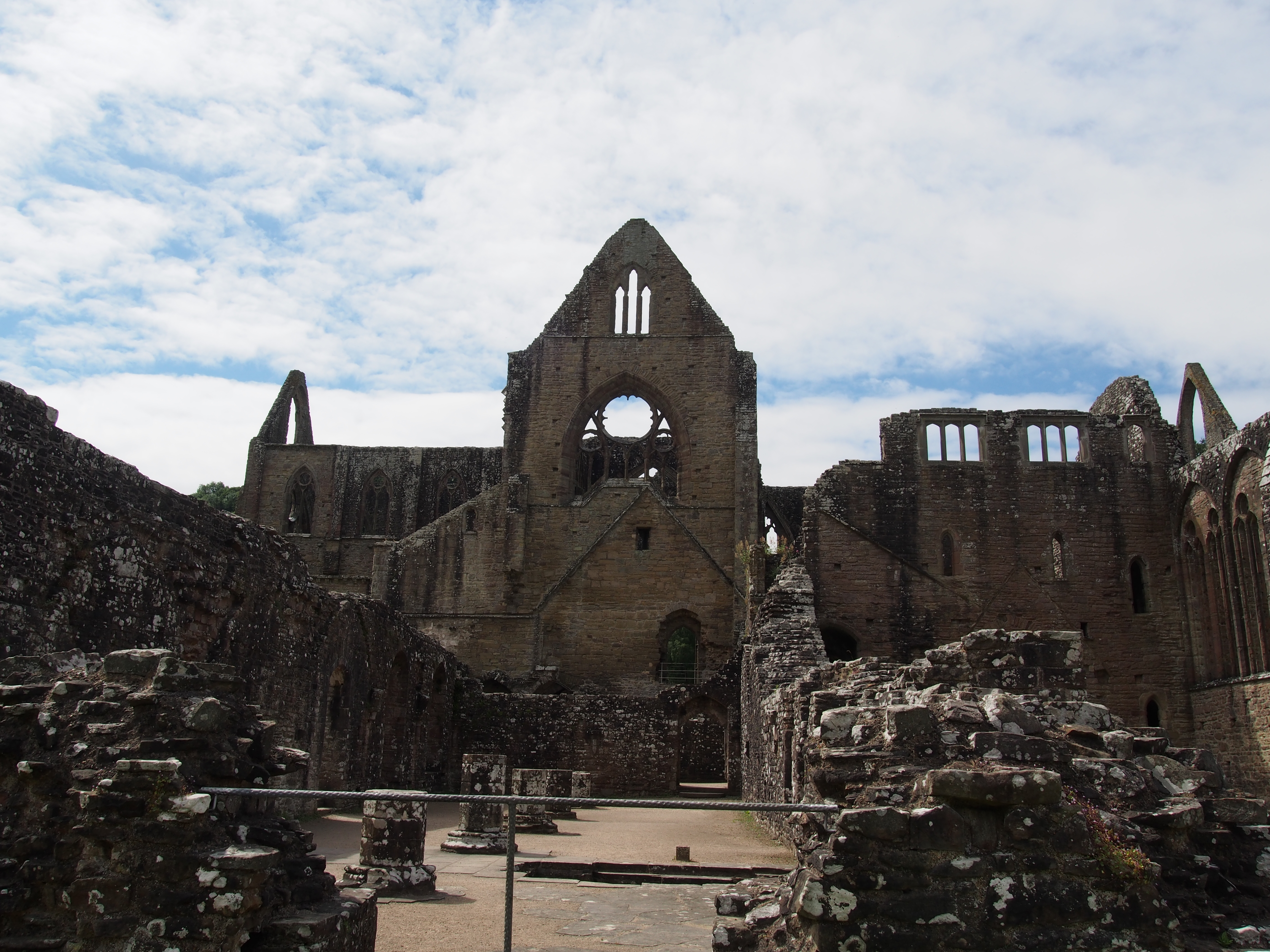
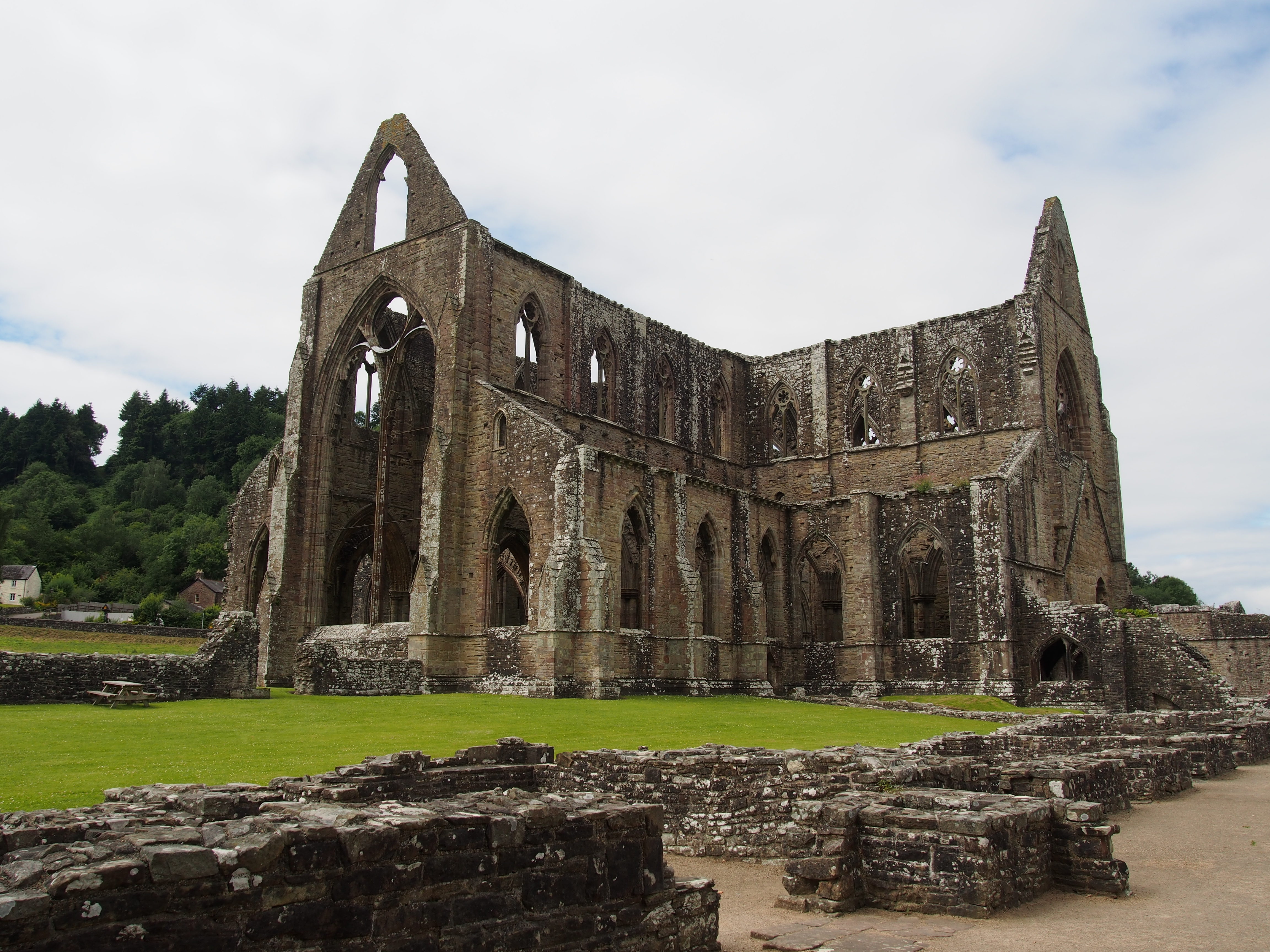
One of the greatest of the Cistercian foundations in Britain back in the day and extremely wealthy – even the destruction and neglect caused by Henry VIII’s dissolution of the Monasteries couldn’t entirely destroy it … and the ruins are both massive and majestic.
And a sign of just how bloody rich the medieval Catholic Church had become … and why it was such a temptation, one that Henry couldn’t resist.
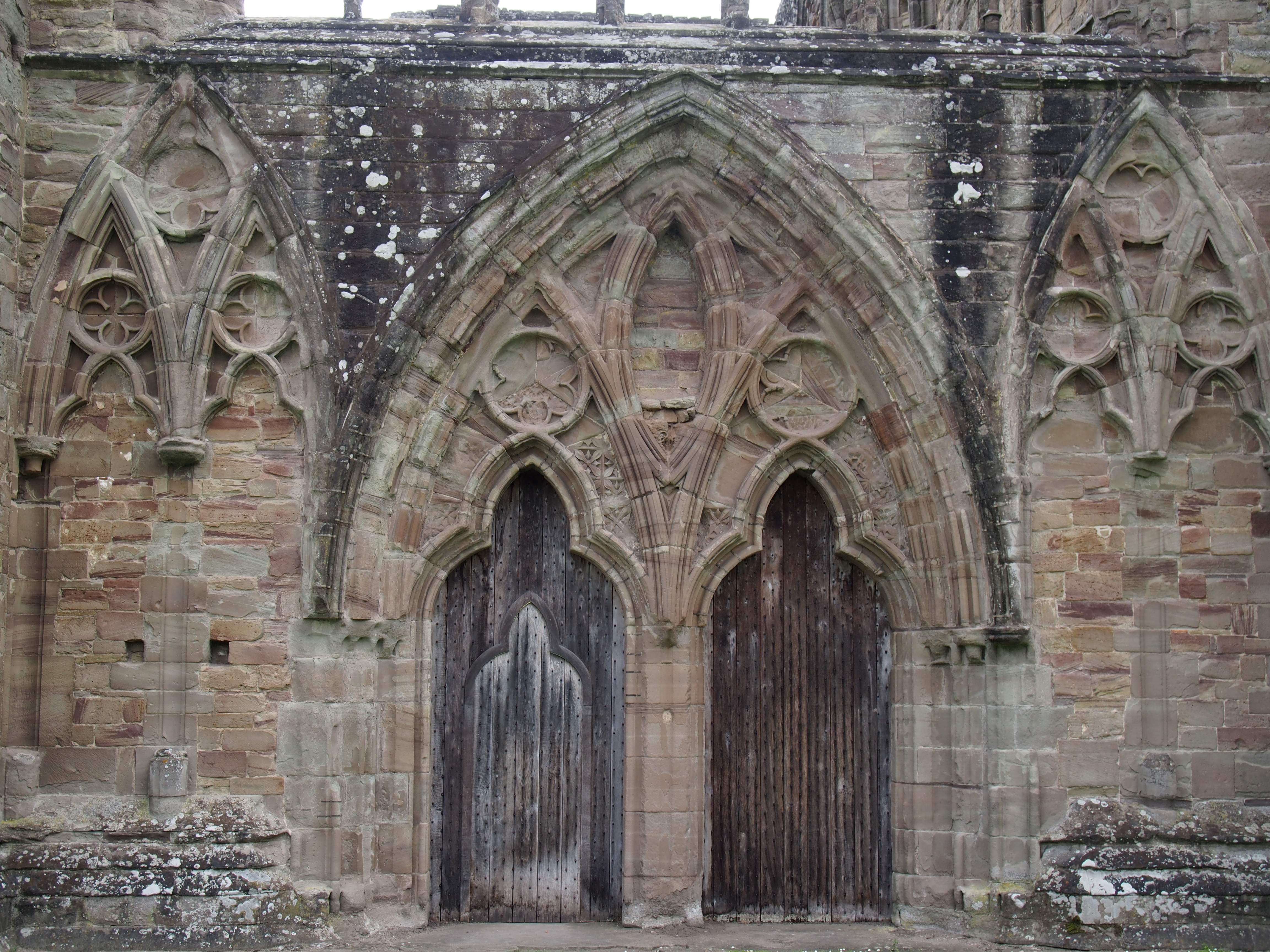
The original entry, through what would have been part of the Monk’s quarters, with the Nave of the Abbey Church in the centre rear. Some of the remaining decorative stonework is amazing. This is the archway and main (formal) entry doorways … used only by important guests or on important occasions. The Quire/Altar end of the church — notice the space where a truly massive stained glass window would have fitted. This was a truly massively rich operatiom!
Avebury
Coming back from Tintern I decided to stop over at Avebury, Stonehenge’s poor relation – mainly because the latter has become so grossly difficult to access – timed tickets that have to be booked at least several days in advance. And, frankly, unless it’s changed since the last time I was there in 1988 (it was bad enough getting in then), they don’t actually let you anywhere near the main large stones.
Avebury is a larger site, but the stones are less impressive … and, of course, most of them are missing, as is the case at Stonehenge. But access to the stones is free, it’s just the Parking they hornswoggle you with.
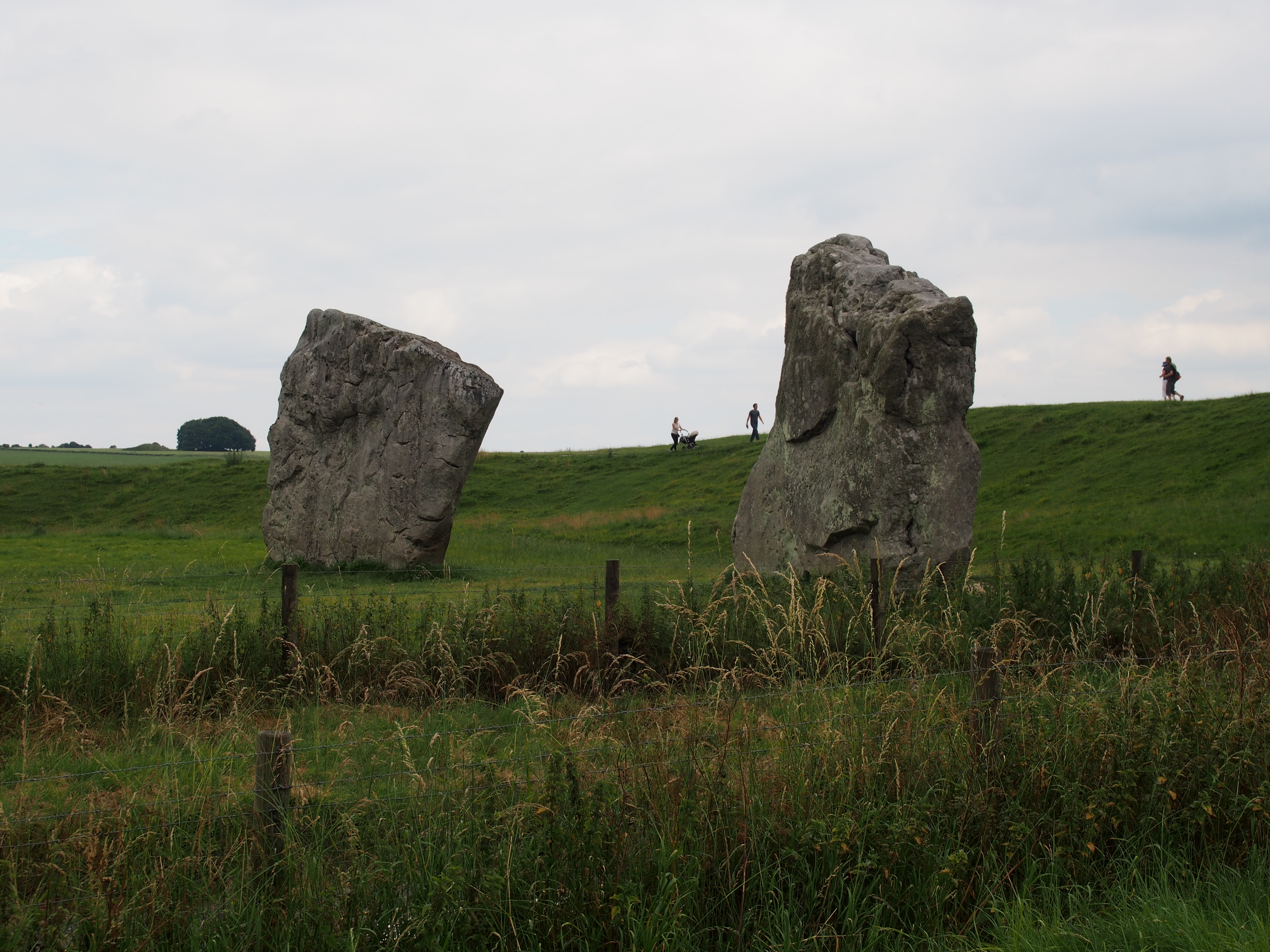
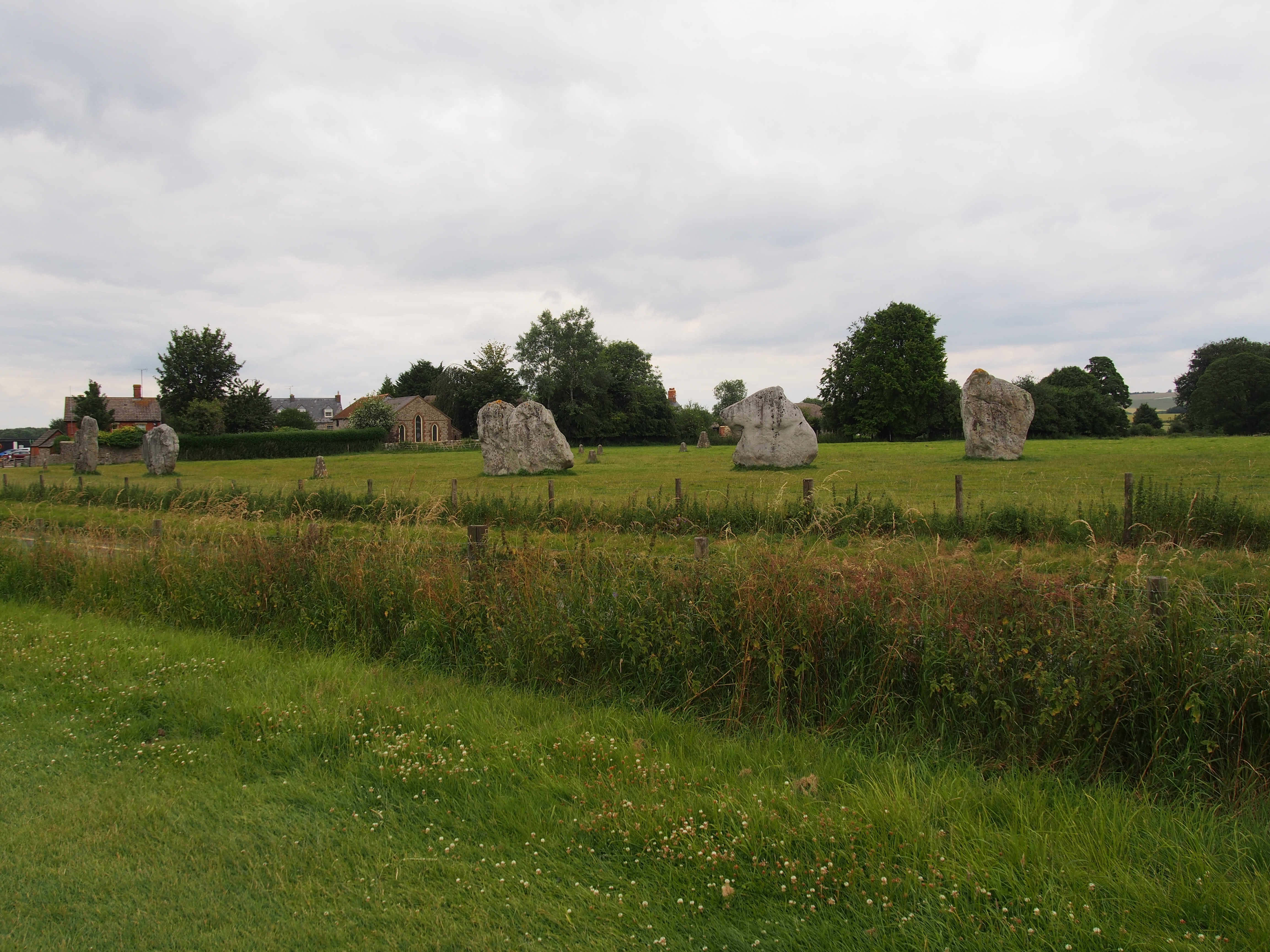
Two of the bigger stones.Most are this sort of size or smallerLike these … some of which are just concrete markers showing where stones once stood.
Like Stonehenge, all of the stones at Avebury are bluestone – that is, they’re not actually blue, they are simply from somewhere else than where they have been found.
Dover Castle was one of the important Royal Castles during the Norman period and has remained an important part of England (and, later, Britain’s) defences against foreign invasion … yes, even during WW1 and WW2.
The medieval Castle inside the larger defensive perimeter.
Continually expanded and modernised during the period, the core medieval castle remains much as it was externally, though the interior has had ‘modern’ (mostly 18th and 19th century) buildings added. The central Keep, however, is very much ‘as was.’ Some of the internal rooms have been furnished and decorated to show what they would have looked like during the medieval royal heyday.
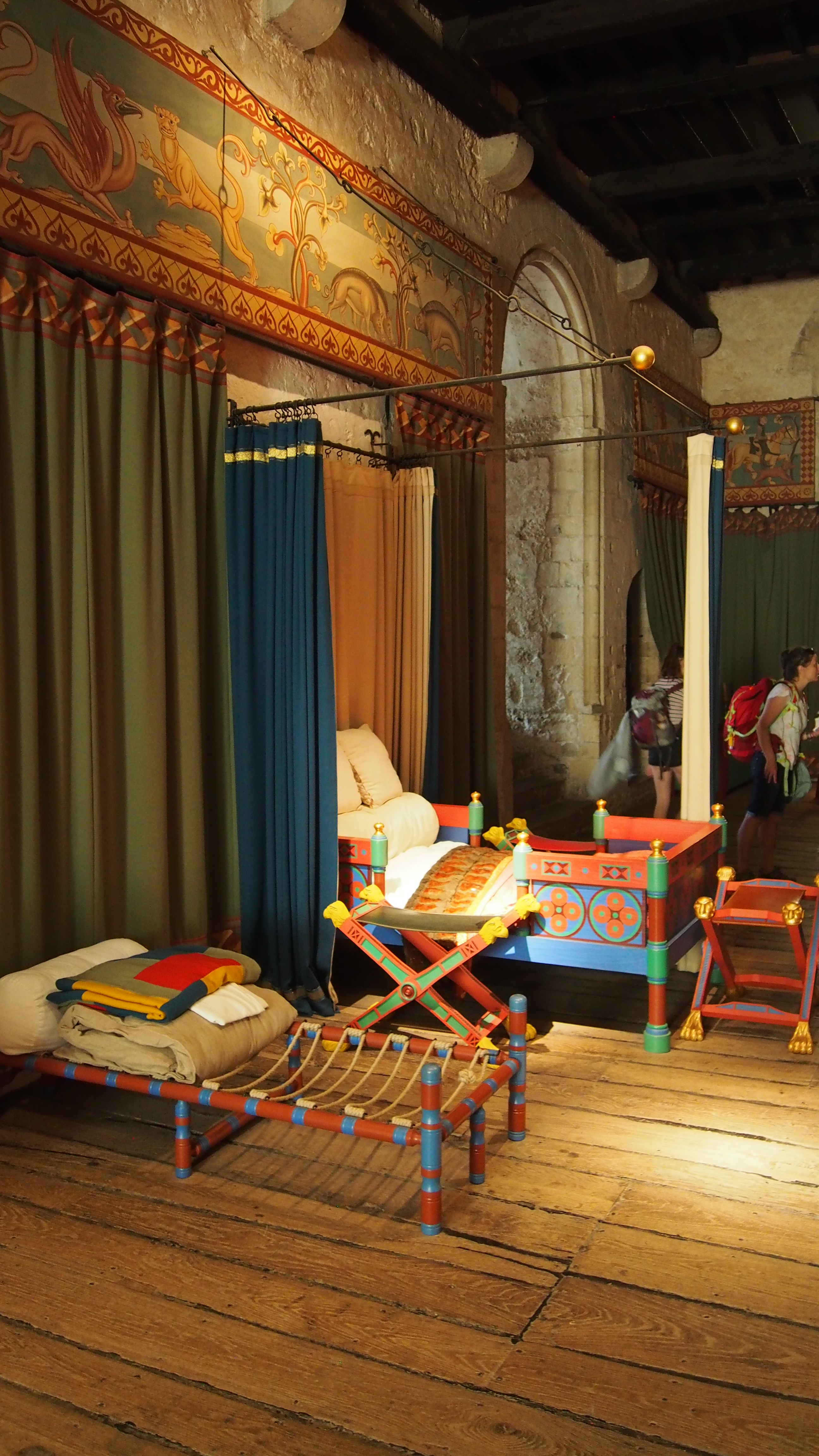
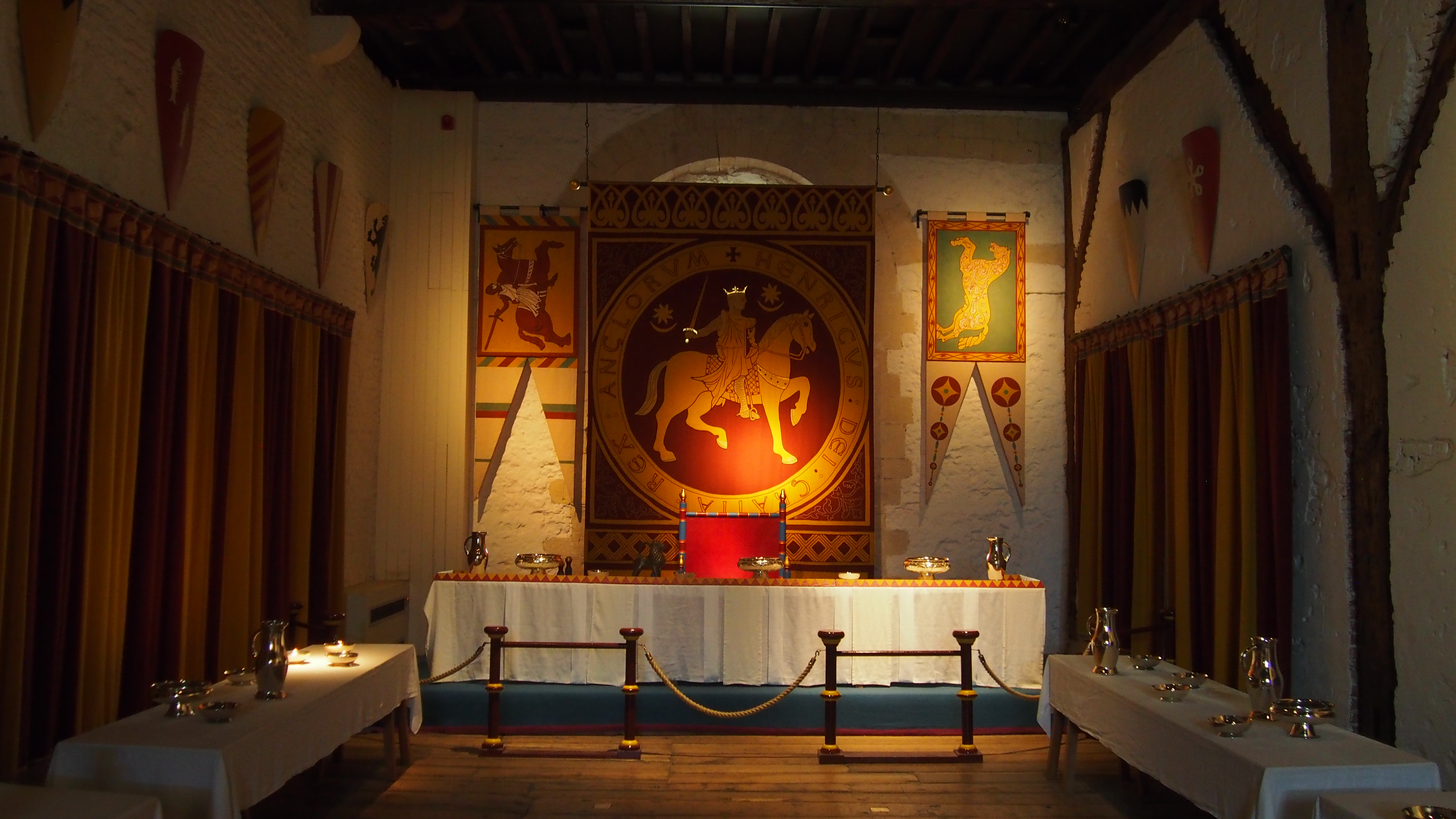
The royal bedchamber … takes up a good half of an entire floor, and is mostly empty space (of course, back in the day, at least some servants would have slept on truckle beds (like the one shown in front of the royal bed) or the floor at night). The Royal bed, though not a later ‘four poster’ is, as you can see, capable of being curtained off for something resembling ‘privacy.’ The Royal ‘Great Hall’ – this took up the rest of the floor the Royal Bedchamber was on – and this shows the High Table where the King and Queen would have sat.
Also on the grounds of the castle is the parish church of St. Mary in Castro which incorporates the remains of the famous Roman Pharos Lighthouse that watched over the Roman Port of Dubris.
The remains of the Pharos – the lower two thirds are remnant Roman work, the upper third is later – medieval and more recent.
There are views of the modern Port, more or less the same site (but improved) as the Roman Dubris, from the WW1/WW2 era artillery spotter’s control bunkers which are the seaward edge of the walled area – on the cliff’s edge looking over the channel. The spotters here gave control orders to gun positions up and down the coast.
Looking north *White Cliffs of Dover* over the vehicle ferry loading area.Looking south over the main port
Canterbury
I only went to Canterbury to see the Cathedral – didn’t have time for anything else. It’s a Cathedral. Lots of religious-y stuff. Stained glass windows etc.
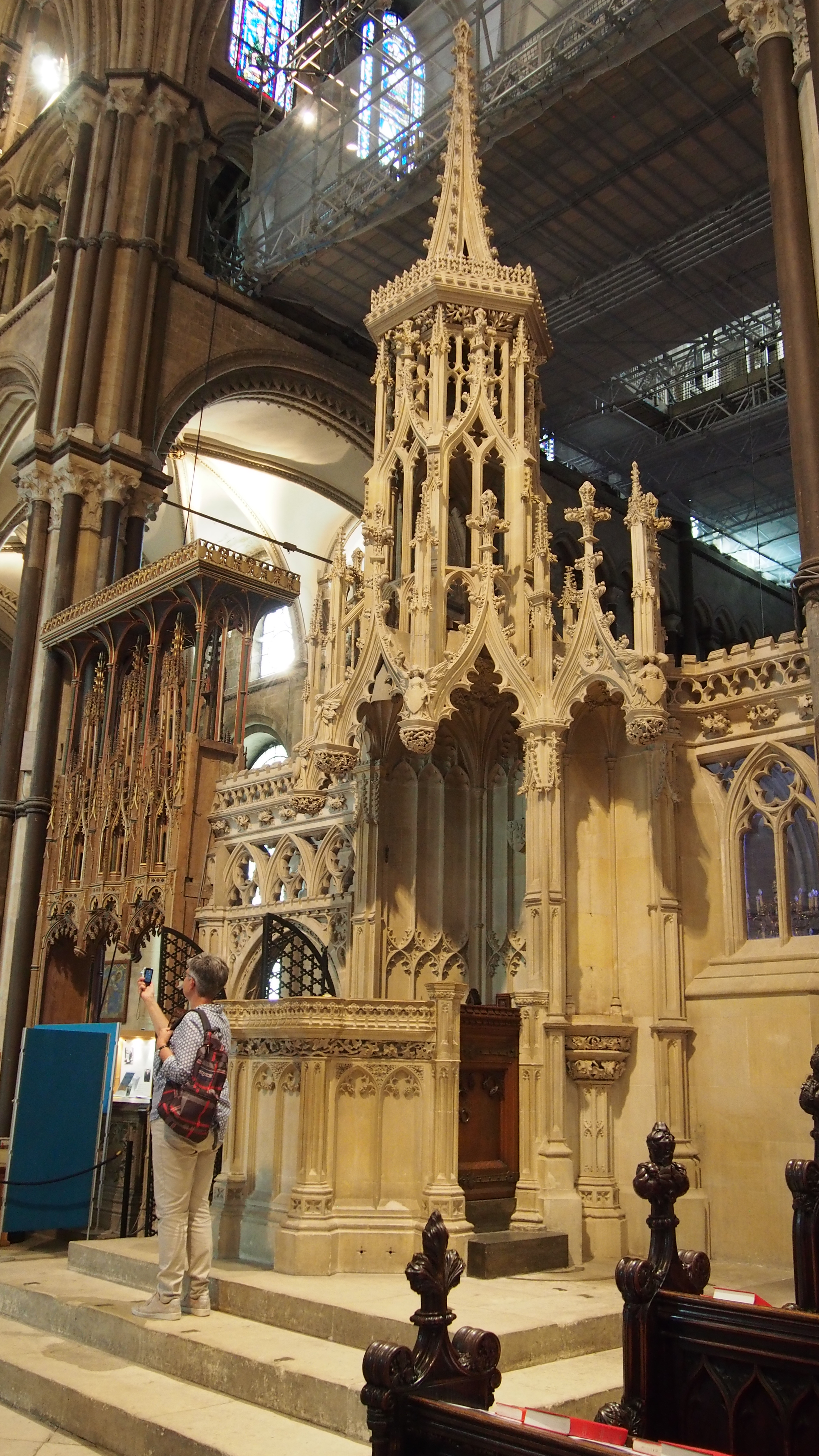
The Cathedra – the Archbishop’s Throne, from which Cathedrals get their title!
During the 4th Century AD barbarians began to seriously raid the atlantic and north sea coasts of Britannia and Gaul. One of the Roman responses was to build a series of forts along the coasts to base defensive reaction forces as well as provide protected anchorages for anti-pirate vessels belonging to the Classis Britannia and other fleets.
After the Romans pulled out the last ‘regular’ forces from Britannia some time in the last part of the 4th century it is not quite certain exactly what happened to these forts (or the ones in Britain, at least) but there is evidence of some ongoing settlement, possibly continuous and it is possible that these ‘settlers’ were late Roman Laeti – barbarian farmer-militia who received land grants to support themselves and were only paid a small amount of ‘pocket money’ to supplement this … as well as being provided with arms and, possibly, armour (certainly shields and helmets).
Whether these were Angles or Saxons, by the 9th-10th centuries some of these forts were important Anglo-Saxon settlements with the walls somewhat repaired … and when the Normans defeated Harold and took over England they took over these settlements and, in the case of Portchester (Portus Adurni – probably) and Anderida(Pevensey) they built Castles into them incorporating part of the remaining Roman walls.
They remained royal fortresses for many centuries and played an important role in the wars against the French but, as those wound down, they were sold off to local landowners (and later leased back to use as POW camps during the later wars against the French, especially the extended Napoleonic Wars).
They are all more or less ruinous today … Portchester is probably the best preserved, and Pevensey is less so. The others tend to be in even worse condition.
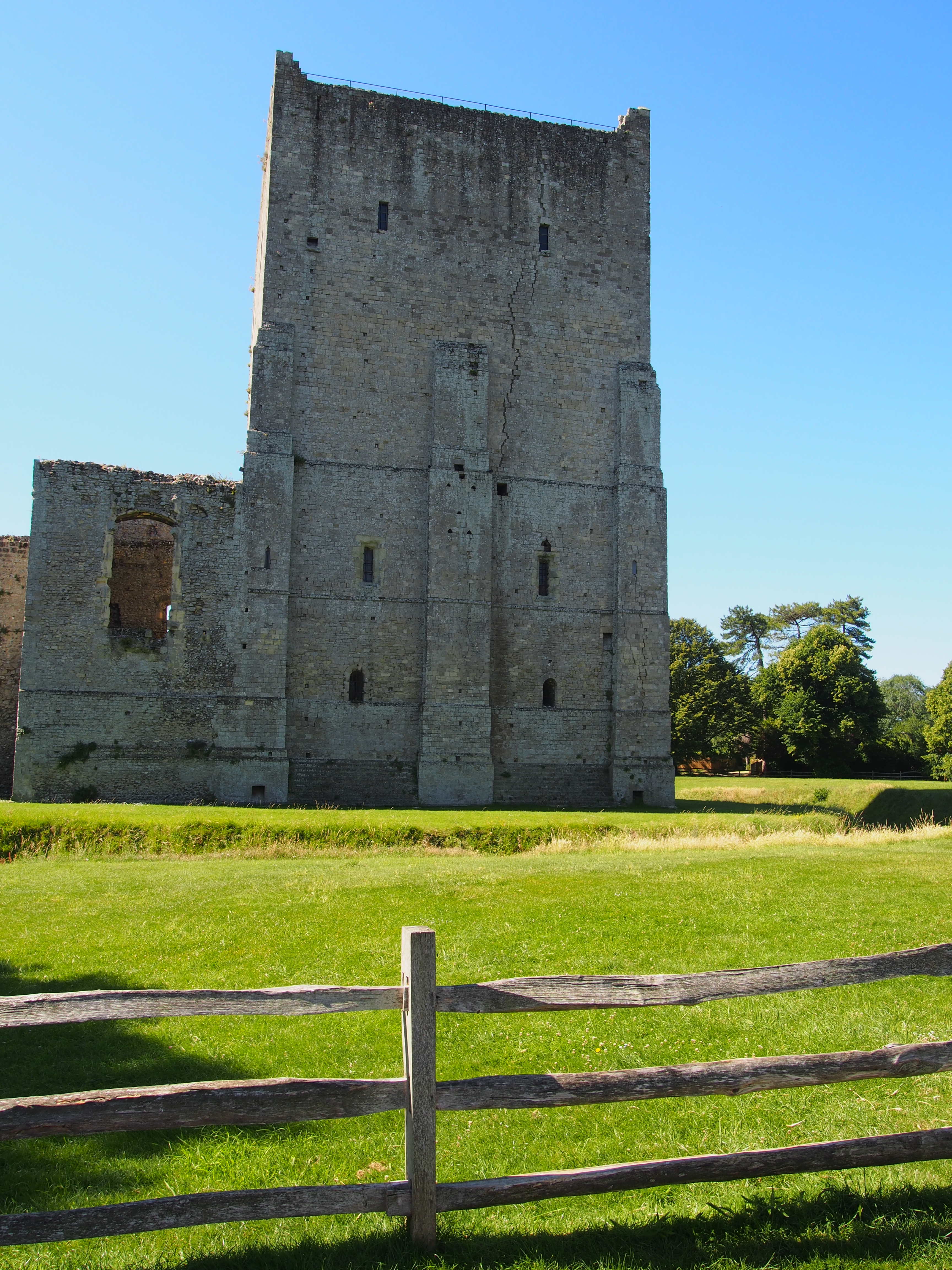
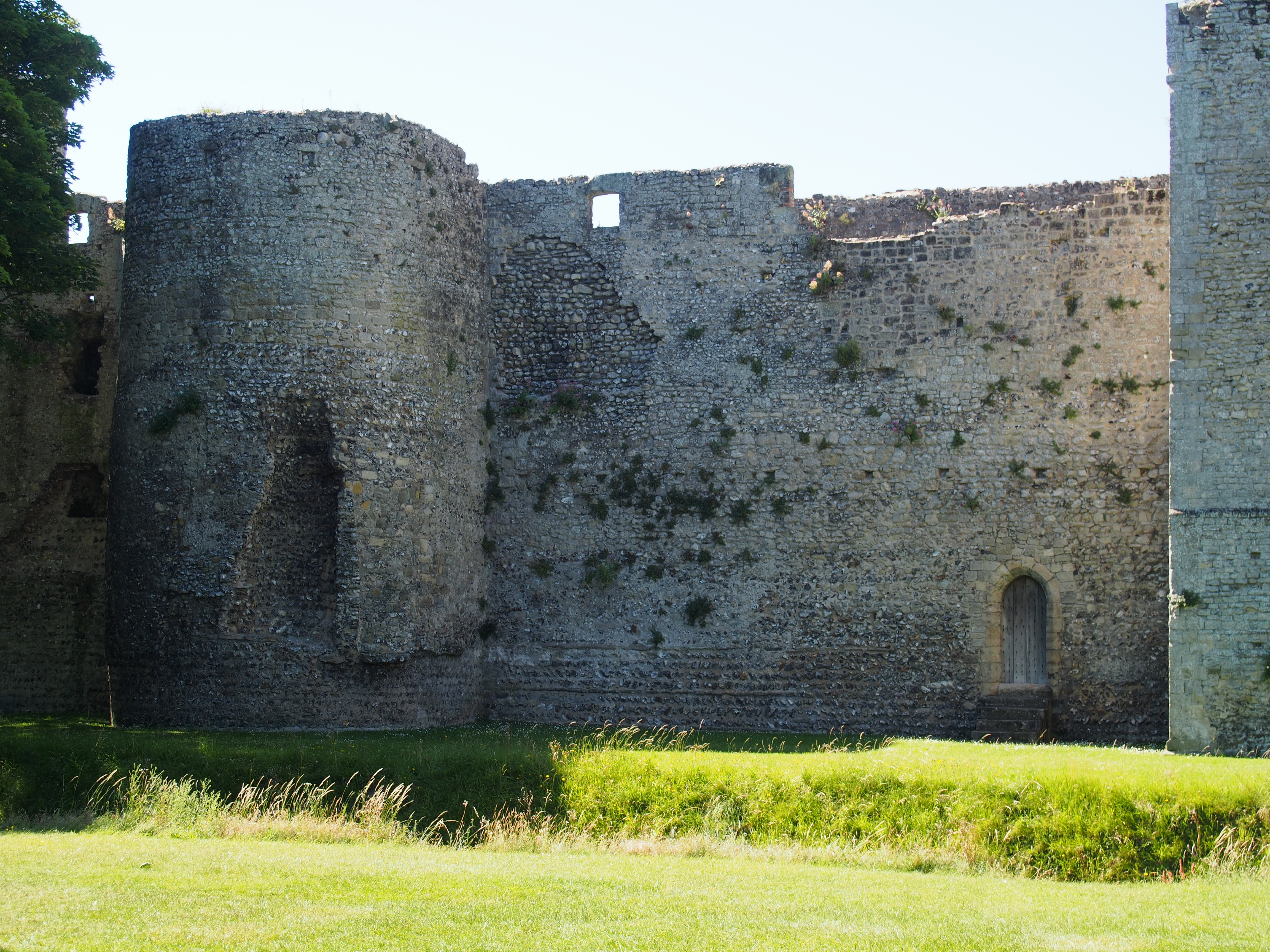
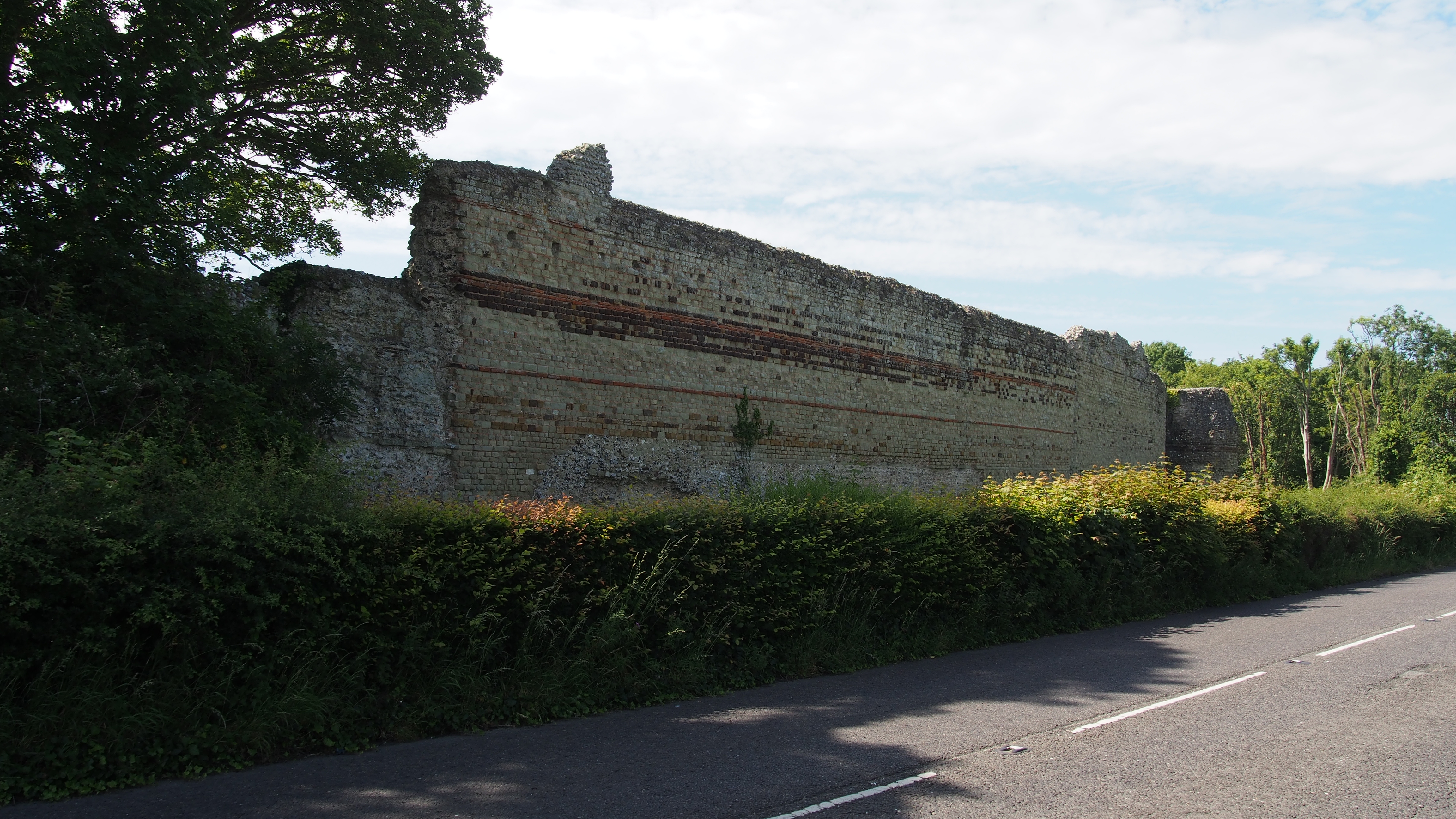
The Keep of the Norman Castle built into Portus Adurni from the outside. Only the lower courses of stone are remnant original Roman work.The Roman Wall and a Roman era Tower/Bastion where it abuts the Castle. You can see where cruder medieval work has been done to repair the existing Roman work.The side of the Castle facing the estuary … again, you can see the cruder medieval repairs. This was one massive fortress back in the day!Anderida – the walls are in pretty bad shape compared to Portchester. Again, the lower courses are Roman and the upper are Roman with medieval repairsThe Castle built into Anderida – it’s pretty much a wreck, more so than the one at Portchester, and it was undergoing major conservation and stabilisation work when I visited.
Fishbourne Roman Palace
The largest Roman era Palace north of the Alps – and it’s in this obscure (in Roman times) part of Britannia!
Discovered completely by accident and saved from developers (or part of the site is … about half or more is under the existing Village and roads) it is not known who it was created for.
When I was there in 1988 the theory was that it was a British client King, Cogidubnus, or an early Roman governor … but the guide who was on duty when I was there claimed that he thought it might have belonged to Vespasian, who was known to have a liking for Britannia and had just become Emperor around the time it was built. His working theory was that it was really only equalled by the Imperial Palaces on the Palatine or Nero’s ‘Golden House’ and, therefore, must have been Imperial.
Nice theory. Might even be correct. Unfortunately absolutely NO evidence of a conclusive nature has been found to support any of the theories. There may be some … buried under the village. Or there may be none.
Anyway, it’s interesting because of the elaborate mosaic floors which sort of mostly sort of survived and because the traces of the formal gardens were found and it has been possible for the curatorial staff to plant hedges and other plants to give an idea of what they may actually have looked like ‘back in the day.’
The Dolphin mosaic’s centrepieceThe Dolphin Mosaic – this is a masterwork of polychrome mosaic art!
This is an amazing place … full of all sorts of Tanks and Armoured Vehicles, some of them quite rare (even to the point of being unique).
Matilda equipped with a Canal Defence Light
As some of you may know things were pretty desperate in Oz in 1942 – it was feared that the Japanese would actually invade Australia (we didn’t know at the time how limited their shipping capacity was … or the politicians running around like headless chooks didn’t … and that the idea of an actual serious invasion was a pipe dream) … and the UK and the US (who either didn’t care or were better informed about Japanese capabilities) weren’t interested in supplying us with modern war materiel such as combat aircraft and armoured vehicles.
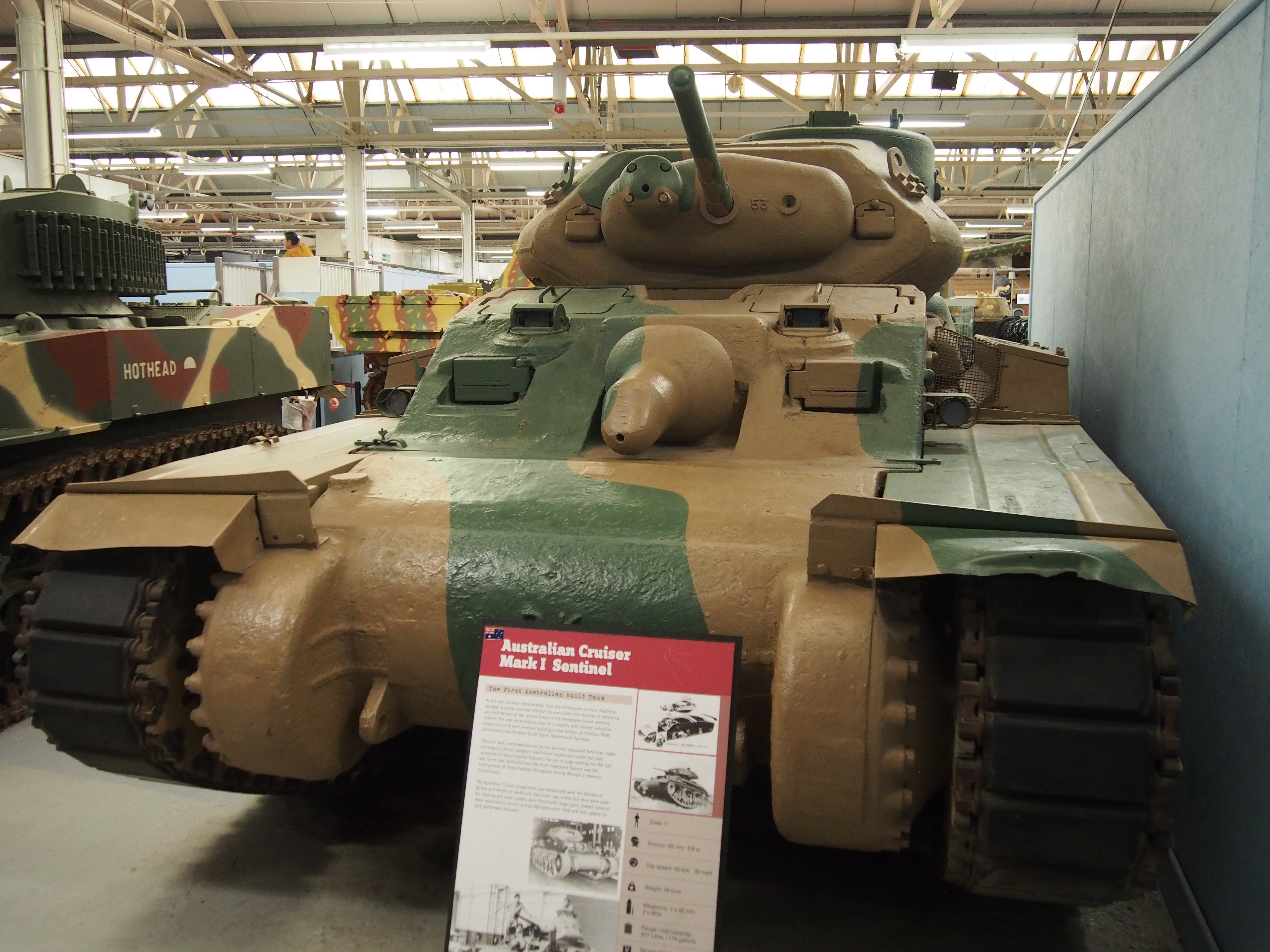
For aircraft, we produced the Boomerang, which is relatively widely known, but less well known is that we produced a small number of tanks of modern design … but they never went into full production because the Yanks eventually supplied us with Stuarts which we used in New Guinea and Grants which were mostly used in Australia. The Brits supplied us with some Matildas, which were also used in New Guinea as well as for home defence.
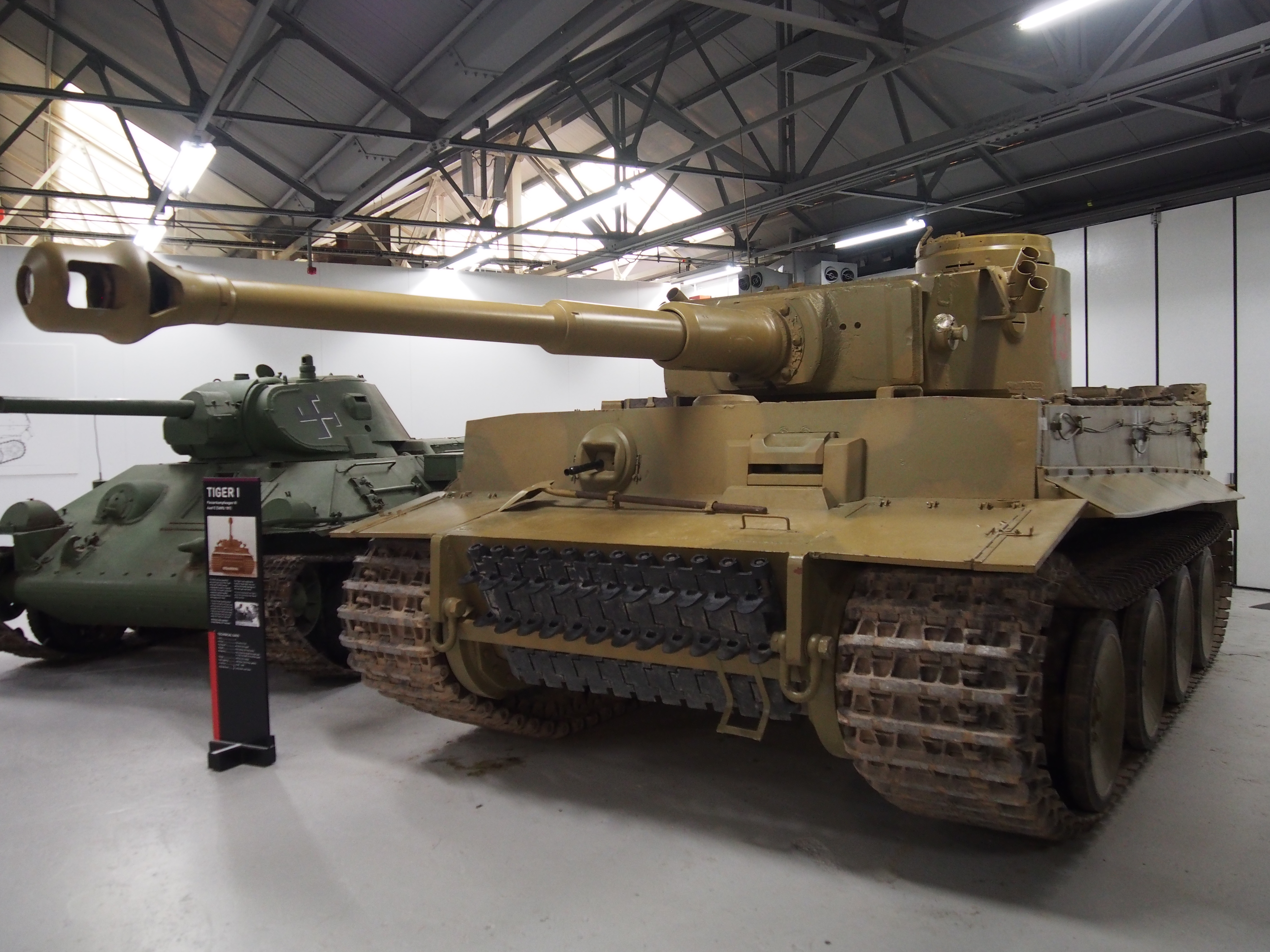
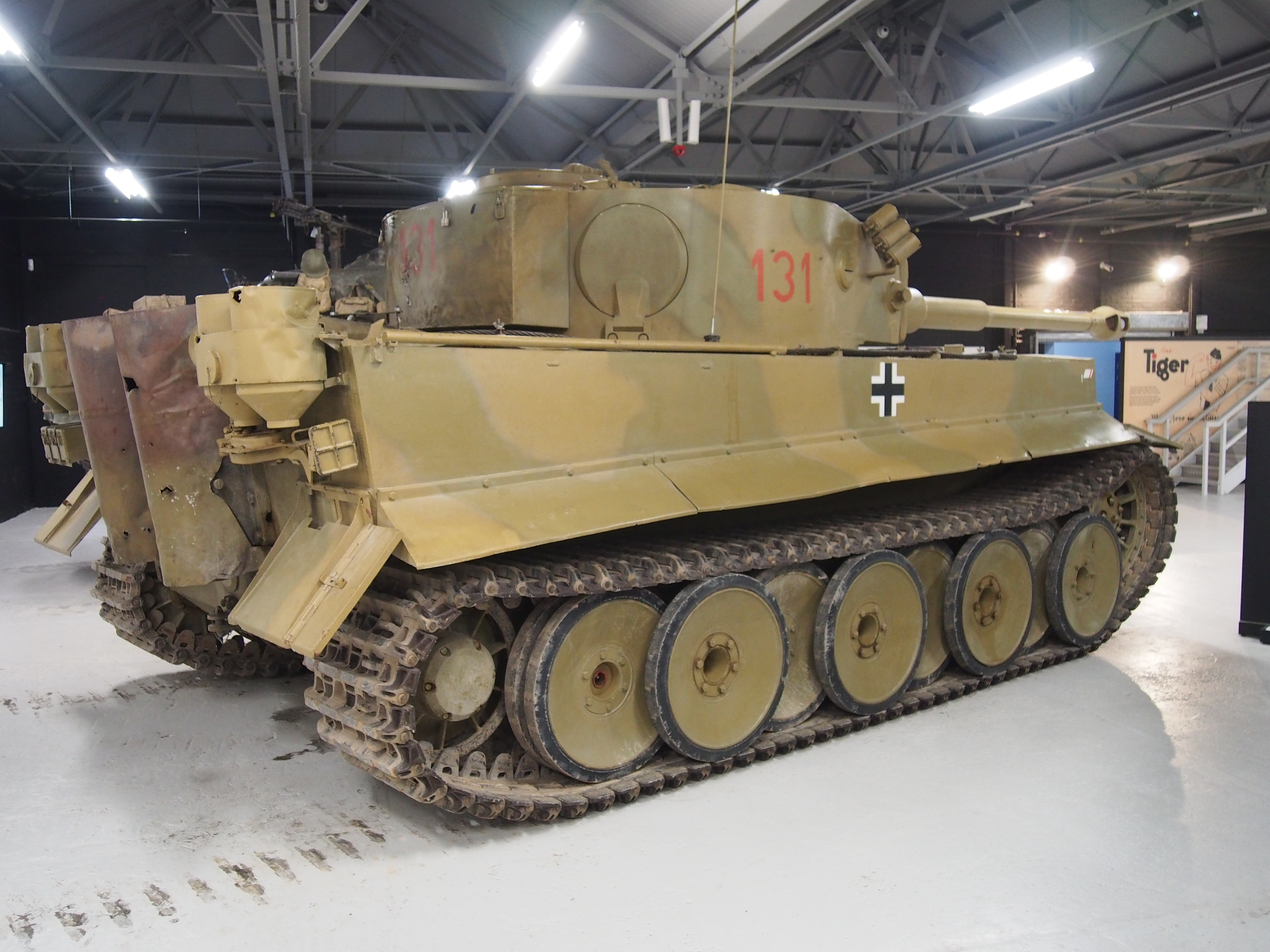
A Sentinel, the Australian Cruiser Mk 1 … one of only a half a dozen or so of the small number of prototypes which survived the war.Another view of the SentinelA Tiger 1 with a T-34/76 of the Finnish Army (captured from the Soviets and later gifted to Bovington)Panther and JagdPanther
The Museum also has a Canadian Kangaroo, a conversion of the Canadian Ram tank (which married a modified M3 Grant hull, no sponson, with an indigenous turret with a 2 pdr gun) which was never actually fielded in combat as a tank. There were other ‘variants’ of APC idea fielded by the Canadians (and the Brits) based on Sextons/Priests (SP Guns based on a Sherman chassis) with their guns removed or converted Shermans. The one below is a genuine Ram chassis!
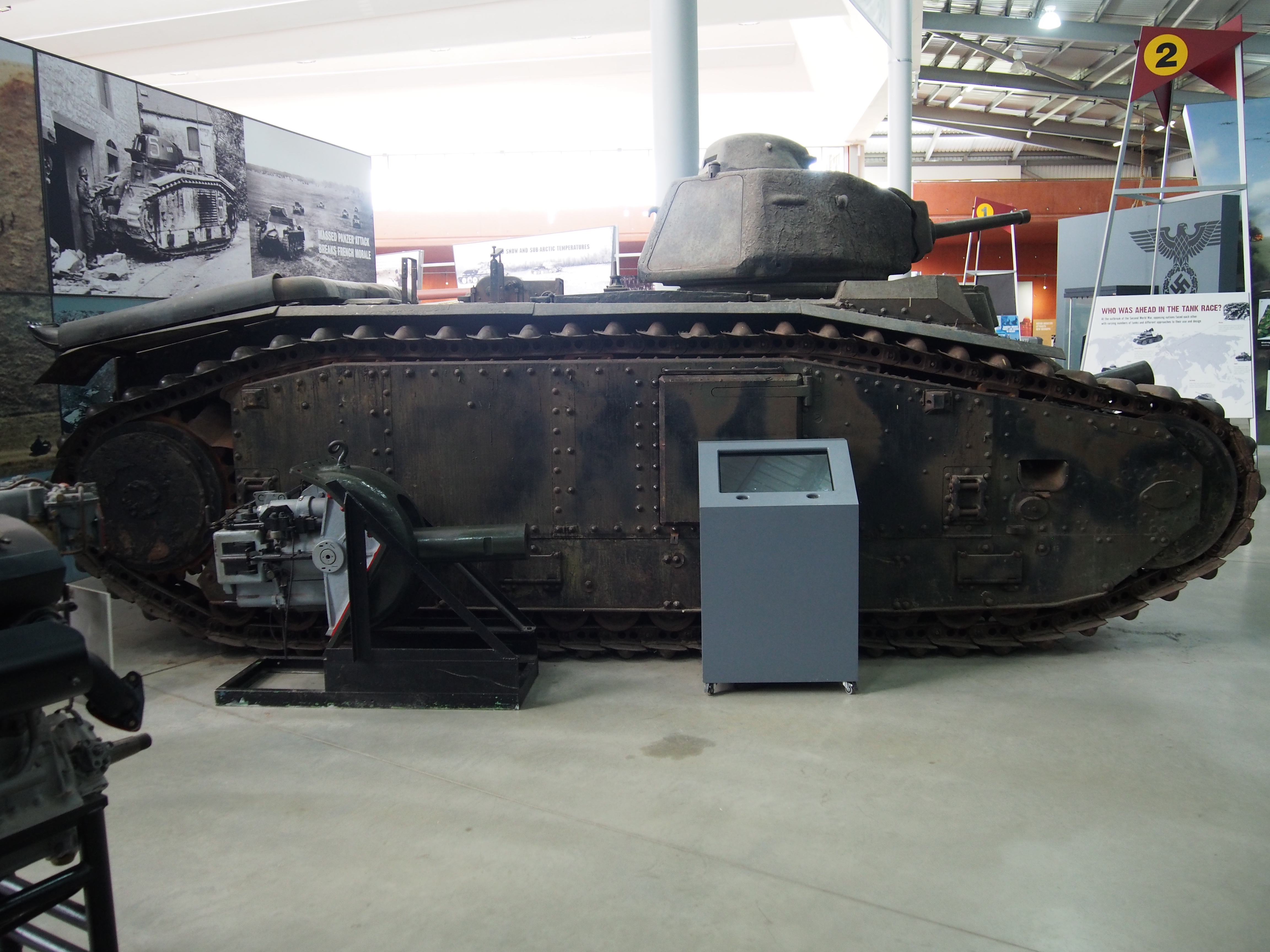
Kangaroo APCFrench Char-B1 Heavy TankLittle Willie the first prototype armoured vehicle and the precursor to the Tank
Just a few days before I was there they’d had a ‘Tankfest’ weekend with some of their tanks put through their paces on the field outside … including the museum’s famous Tiger 301, which is one of the few Tigers still running … and you can see the track marks on the floor from where she was returned to the display hall.
The museum’s running Tiger 301Italian Flamethrower tankette – a really terrible design. The armoured (lightly) fuel trailer supplied fuel through a hose that ran through the lightly armoured ‘cockpit’ and the underpowered engine was supposed to run the pressure pump that squirted the fuel.



















 phalanxgamesdesign.com