An easy hour’s drive south of Hamburg is the German Panzer Museum in Munster (Örtze)which is located in/between two of the largest Bundeswehr training grounds. The museum, naturally, covers mainly tanks used by the German Army from WW1 to the present (which, since they include the East German Volksarmee in with the West German Bundeswehr means that some good examples of Russian and East Bloc stuff is included.
The collection isn’t as extensive as the British one at Bovingdon, which I covered in a previous post, but it’s not as old … and it’s pretty good anyway.
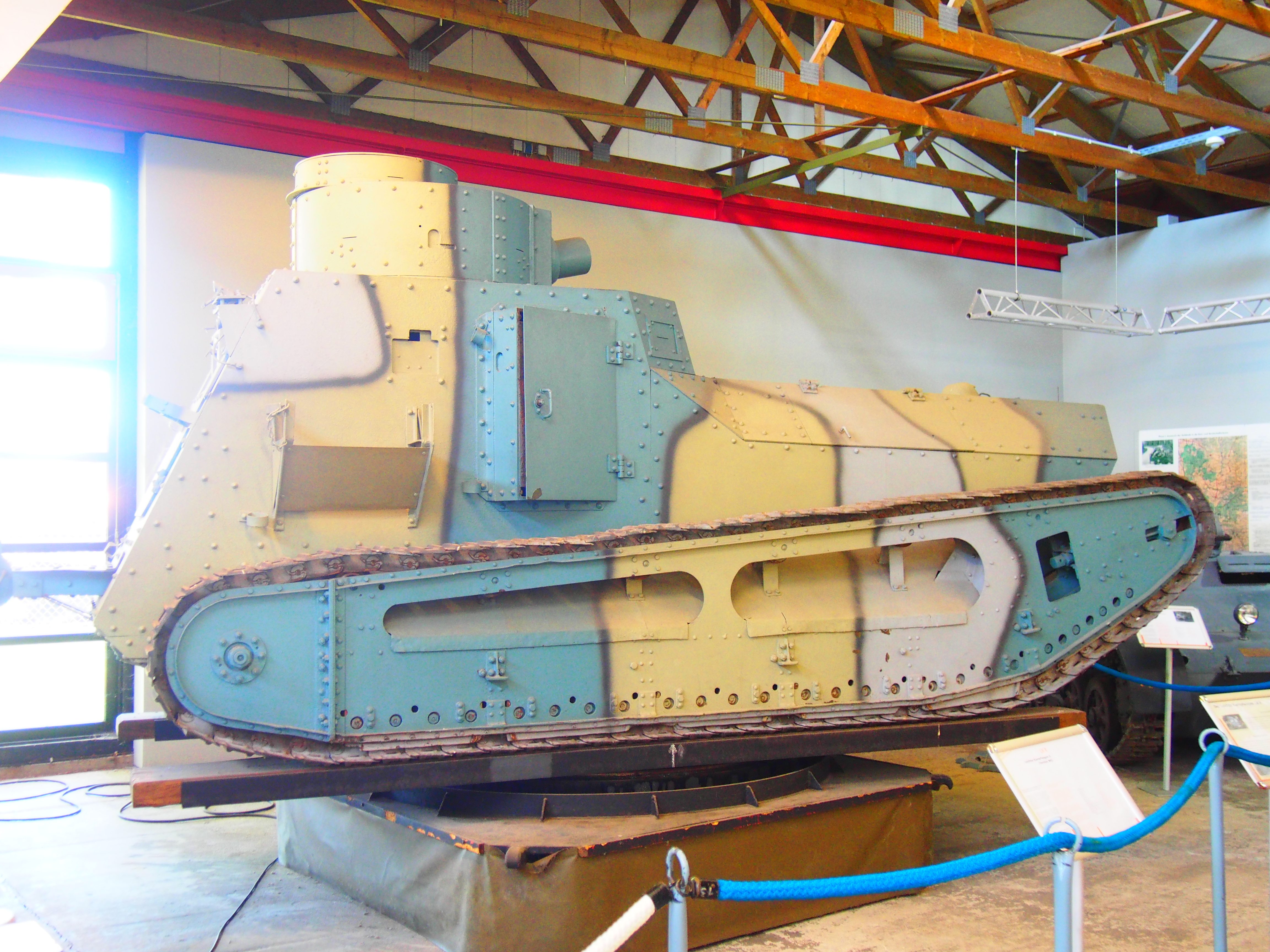
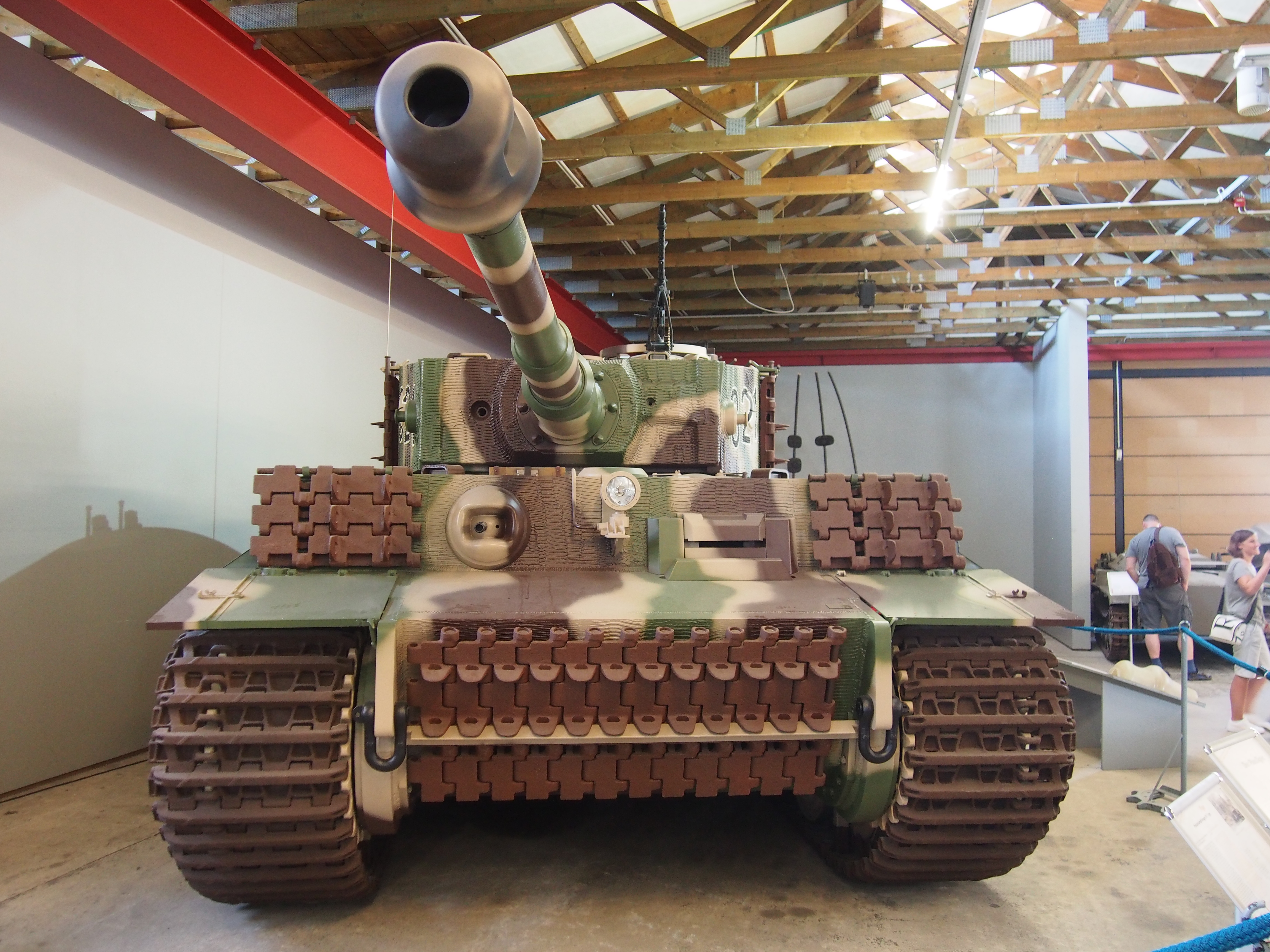
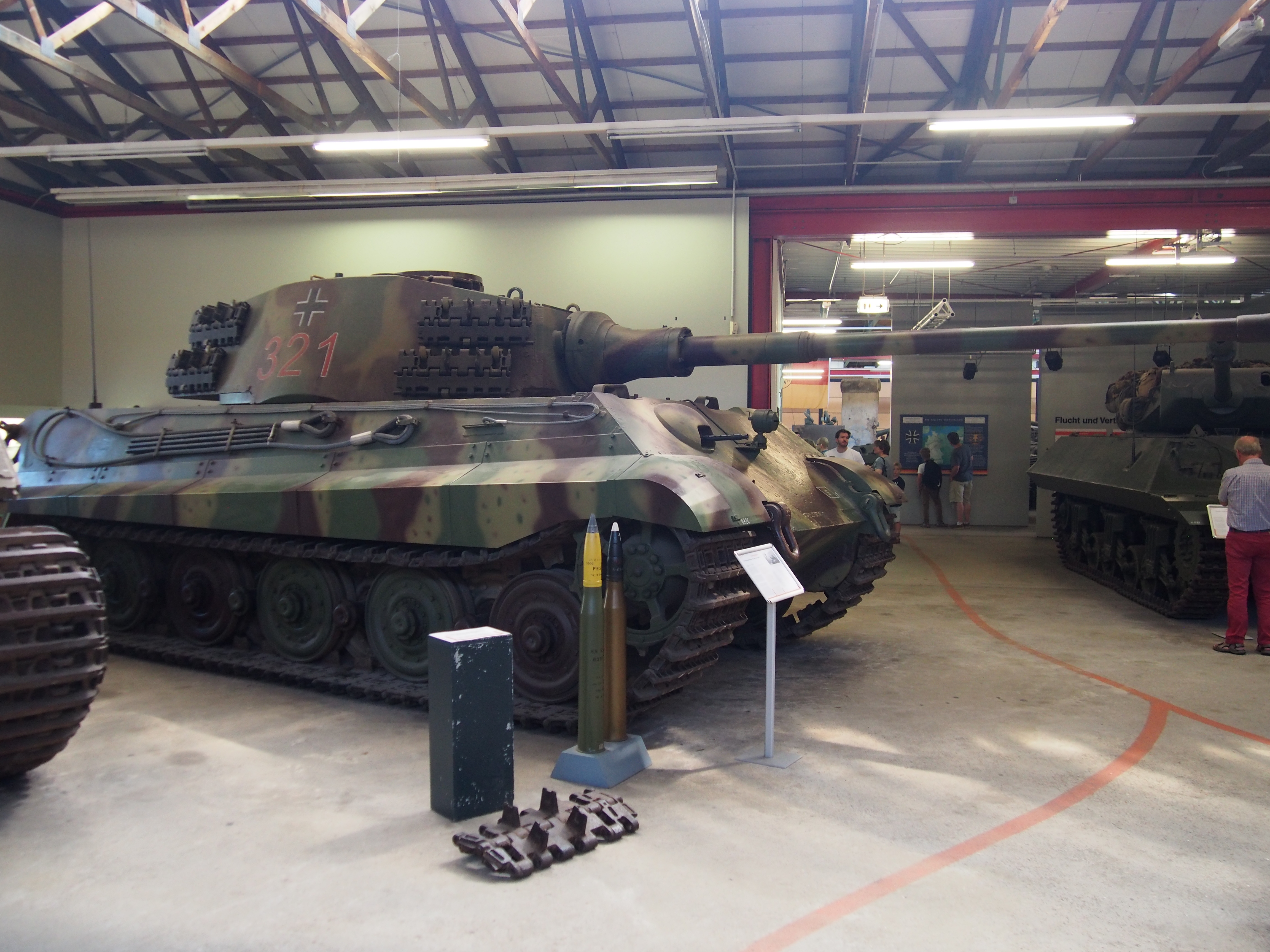
A mock-up of the A7V, the only German combat tank of WW1 – the only surviving example is in, of all places, Brisbane. They only produced around 40 of these monsters because of raw material shortages, the fact that it wasn’t a very good design, and the lack of foresight of the High Command … not necessarily in that order!Late war German light tank prototype – yes, it looks like the British Whippet, but isn’t. Great minds think alike, I guess.Panzer 1, the mainstay of the Panzer forces vs Czechoslovakia, Poland and in the 1940 invasion of western Europe. Pathetic. But there were a fair few, but, more importantly, the German armoured doctrine of Blitzkrieg made excellent use of them.Panzer V Panther with zimmerit, a paste applied to the armour to make it impossible to attach magnetic anti-tank mines. Only used for several months until some bright spark noted that none of their enemies used magnetic AT mines! Panzer III, later model, with long 50mm gun.Panzer IV with long 75mm gun. Shipped to North Africa brand new, it broke down and was captured by the Allies within days of its arrival! How embarrassing.German Tiger 1 – it’s marked as 321 just like the one at Bovingdon.JPz 38T Hetzer… based on a Czech chassis … the Germans were so desperate for armoured vehicles they never threw anything away if they could repurpose it.Prototype of the JPz IV – there are significant differences between it and the production version (which the museum also has, but isn’t pictured here)StuG-111 with long 75mm cannonHummel with 150mm Howitzer (they also have a Wespe with 105mm Howitizer (not pictured here)The Brummbar self-propelled gun based on a Panzer IV chassis, it was armed with a ‘gun’ that fired 150mm HE shells and was intended for use demolishing bunker and other fortifications (mainly – exigencies of war meant it was often used as an ad hoc tank substitute)King Tiger with production turret.
I must say that the Danish Royals (including Princess Mary, of course) really know how to furnish a Palace – and their subjects really seem to like them. A lotsince they have provided some really nice stuff even in recent years.
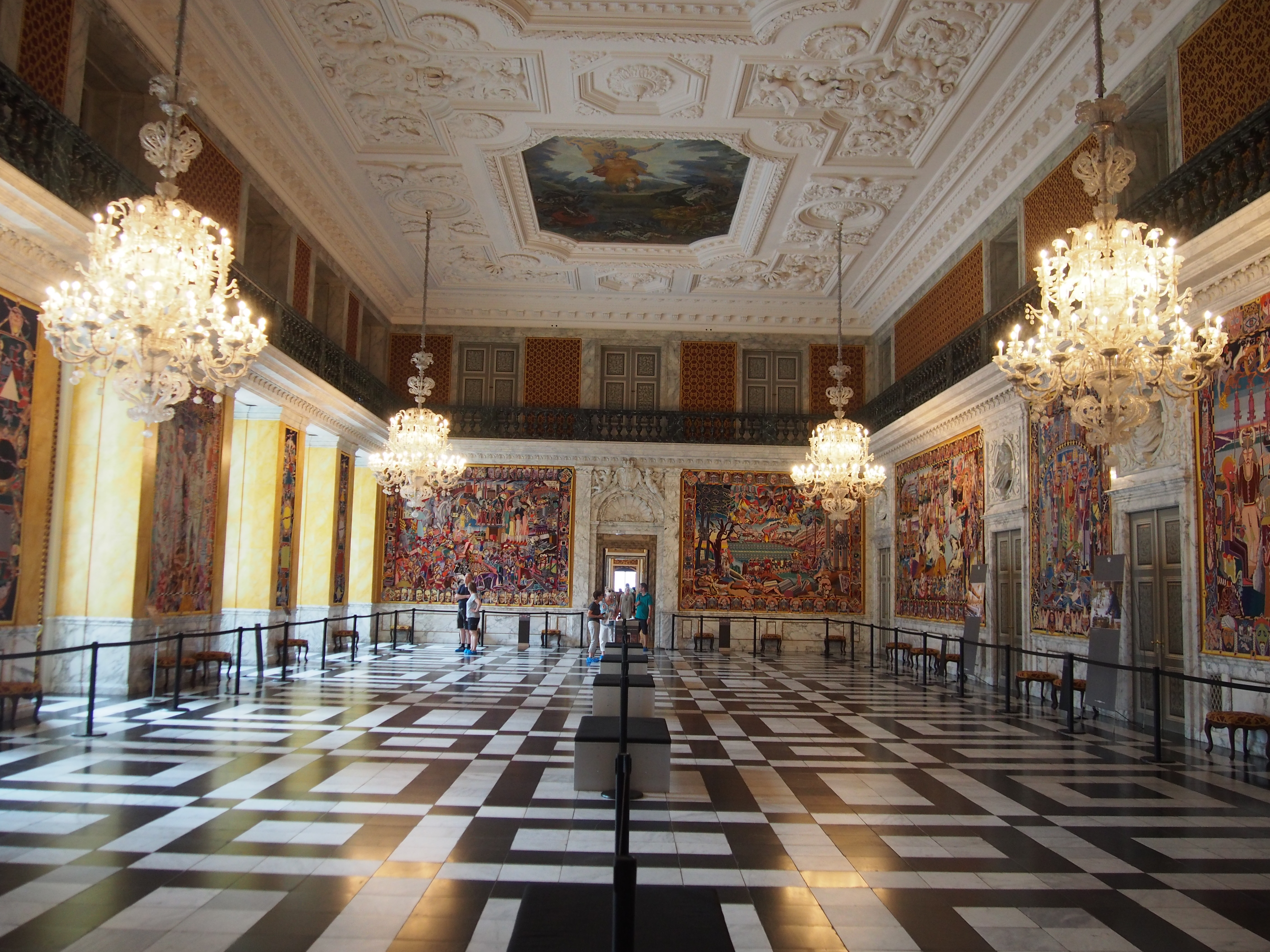
These photos are from the Royal Palace/Parliament Building (its most recent incarnation was burnt down some years ago and when it was, of course, rebuilt, the Royals decided they didn’t really need it all that much and so it is used by Parliament for their sessions in one of the wings and the other areas are used by the Royals and the Parliament for official functions … and the Royal Chambers are used by the PM as his (or her) offices.
This is actually the rear of the Palace. Still looks impressive, though.The Throne Room – the Royals used to receive guests and notables while seated, the current Queen has done so while standing for her entire reign. It’s little things like that which presumably make them so popular.The Great Hall where large State Banquets and suchlike are held – the smaller hall off behind the doors to the right is less commonly used for smaller functions, mostly it is used for final preparation of food for the banquets in the large hall.In the most recent rebuild (the 1920’s IIRC) they uncovered the foundations of the very earliest palace erected on the site, Bishop Absalom’s Castle (he was the guy who first tried to bring christianity to Scandinavia) amongst other, later, foundations from the several successive castles and palaces erected on the same site.The Palace Kitchens – the copper cookware is ‘on establishment’ (and must be a bugger to keep clean) but the Kitchen is too small to prepare food for the State Banquets any more and it is prepared at one of the other palaces and transported here … though they do use the space for some of the final arrangements and they use the dumbwaiters here to move it to the upper floors.
On the way down from Copenhagen to Hamburg I stopped at Hedeby, which was an important Viking trading centre in what was Denmark until the 1850’s (IIRC). It gets great reviews and the museum is really well presented. But there was virtually no information of any consequence in English … just the odd uninformative sentence or single word.
So, for example, you have a coin or coins carefully presented with three paragraphs (two in German, one in Danish) and the oh so informative English text … ‘Coin(s)’ … OK, it was cheap to get in, around 6 Euro (say about A$11) but it wasn’t worth half the price. Not even a quarter.
The reconstructed buildings were also hugely uninformative. No information of any sort in any language. There were a few completely uninterested costumed ‘inhabitants’ wandering around, and, as far as I could tell, they didn’t seem to be terribly helpful even to those who spoke German.
A place with great possibilities, but an almost complete waste of time. How it got its UNESCO rating is beyond me.
Some of the reconstructed buildings. Basic wattle and daub and thatched roofs.The interior of one of the dwellings (very dark, I know) which was actually reasonably authentic … the lanterns had something like horn instead of glass and seemed to be burning something like fat or butter (but since it didn’t smell, it probably wasn’t) and the ‘beds’ consisted of raised platforms on either side of the structure with bedding on them (probably not skins for most people)A reconstruction of a Viking era fishing boat at the reconstructed Viking era wharf at the site of the original village. As well cared for as the rest of the place (damning with feint praise).
Hamburg
One of the main reasons for going to Hamburg was to see the International Maritime Museum. Also very well presented with nine levels – but as you went higher up the English signage became sparser and scarcer till at the top two levels it was nonexistent. Again, very surprising, since this advertises itself as an internationally important destination.
A model of a Greek Trireme, an early version since there is decking only at the bow and stern with a narrow walkway running down the centre and the rowers completely open to the weather (and easily able to form a boarding party or repel boarders). Later versions were cataphract – that is, they were full decked, bow to stern A Hellenistic (Alexander or post-Alexander) or Roman Trireme – this is a cataphract and has sails set … also note the deckhouse at the stern, with a fighting ‘castle’ on top. The inside of it would almost certainly not have contained accommodation – Triremes rarely sailed 24/7, putting in to shore (often being dragged up on the beach) at night and the rowers, marines and other crew slept ashore. A Viking Longship, probably of the seagoing variety. Yes, the crew slept in the open when it was on long distance overwater voyages. There were often no rowing benches and the crew sat and their wooden sea-chests. Early medieval Cog. More or less full-decked with small bow and sterncastles – though, of course, it would have been a merchantmen rather than a warship. This particular model is based on the most common type of Cog used in the Baltic trade by the merchants of the Hanseatic League. A larger, later period, Cog – but, again, one used mainly in the Baltic trade by the Hanseatic League merchants. The main difference is in the arrangement of the fore- and after-castles.The latter is now two levels, and there is accommodation, probably for the Captain, Officer(s) and wealthy passengers under the top level.
There was a lot more stuff but, unfortunately, it was often behind perspex that was even more reflective than in these shots and almost impossible to get good shots of. That and a lot of it was not interesting enough …
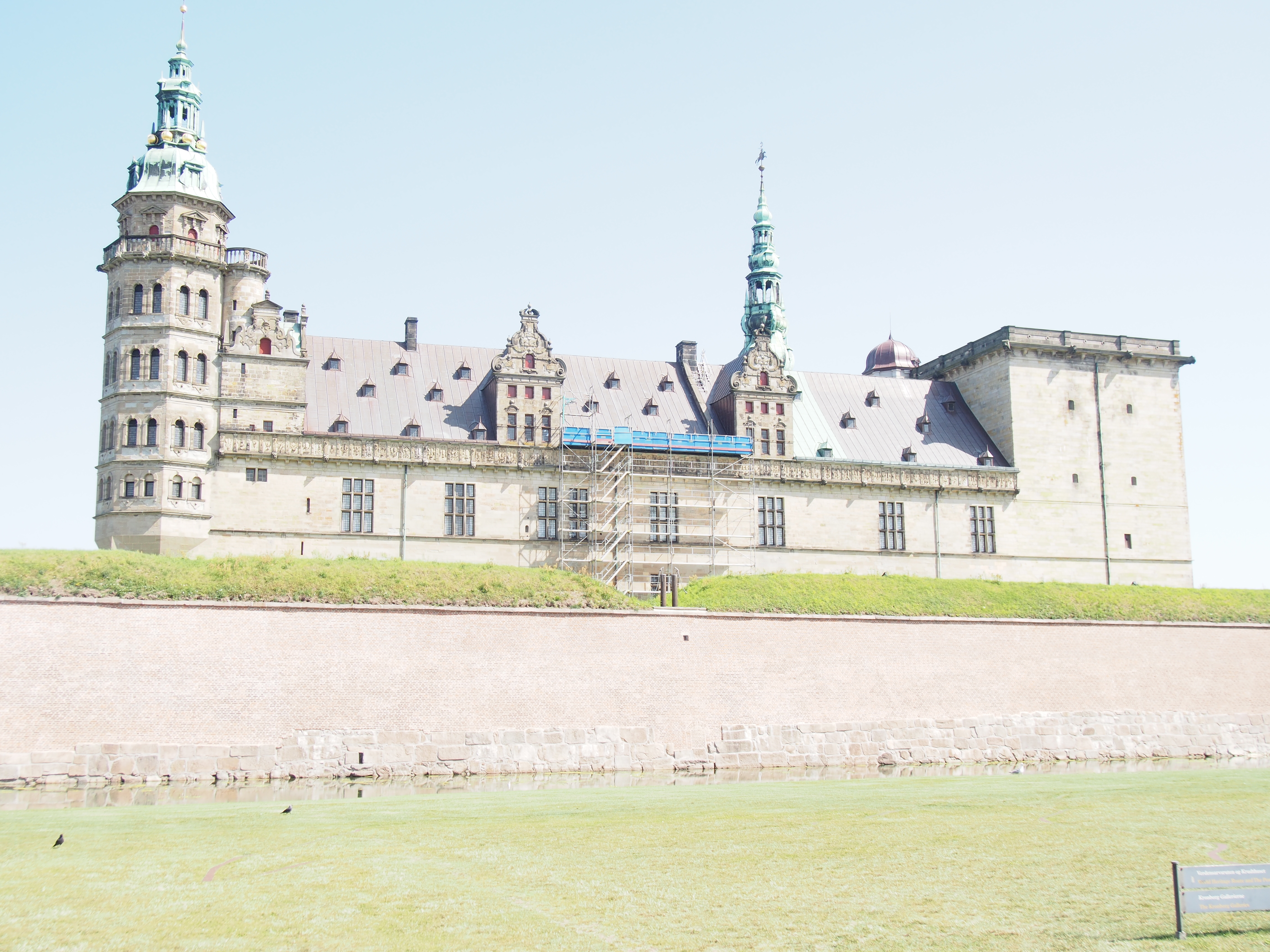
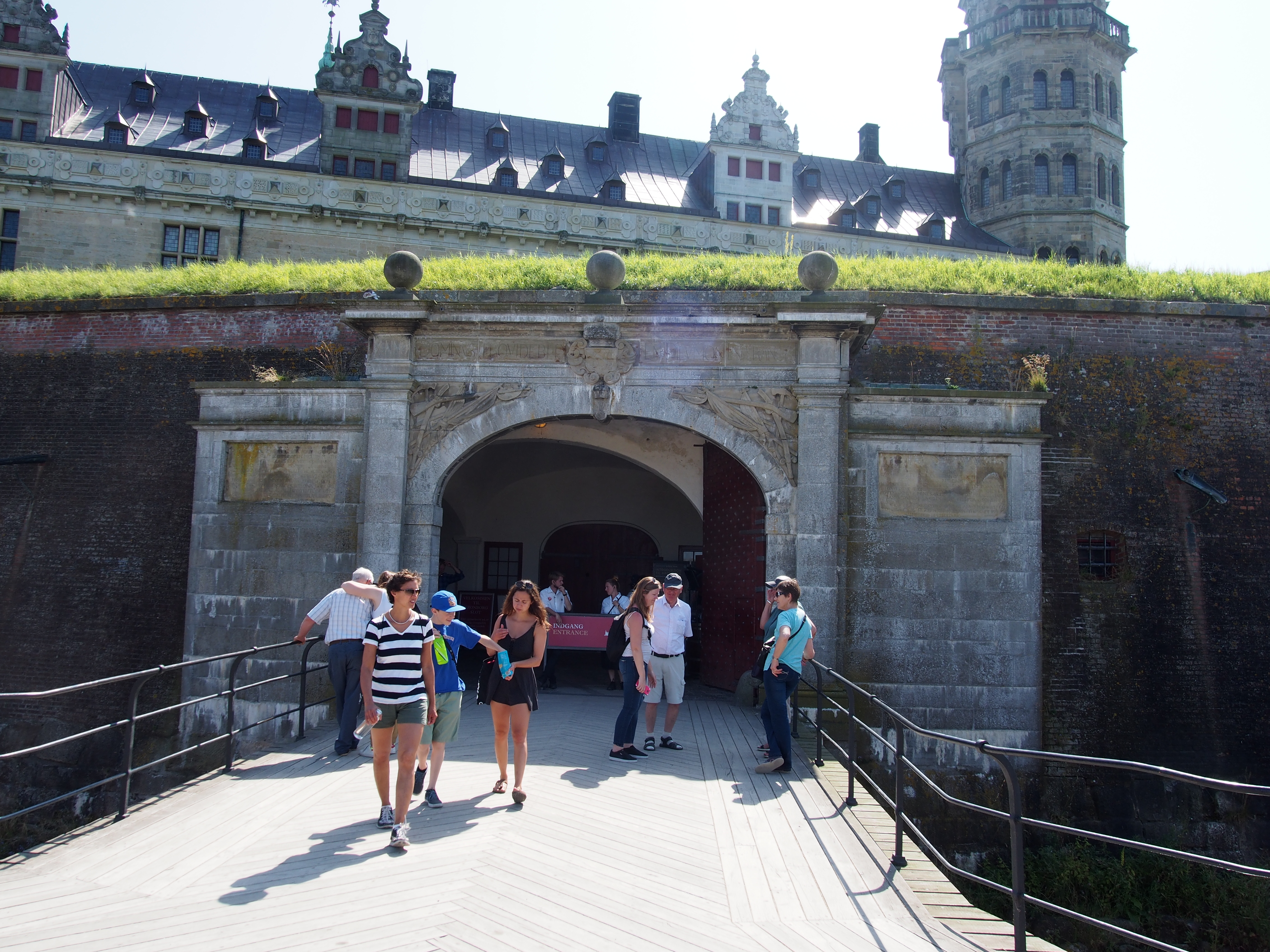
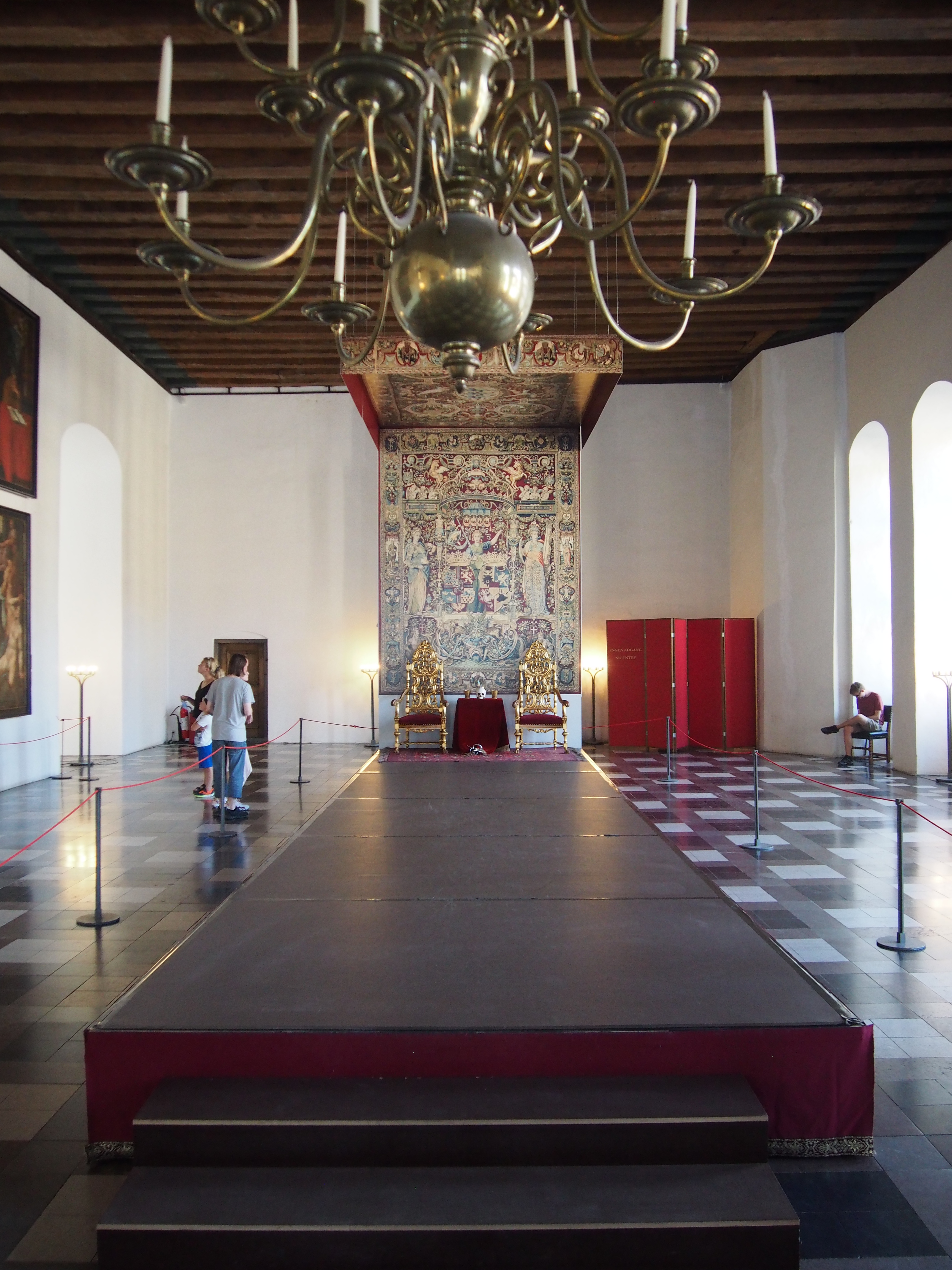
Hamlet’s Elsinore isn’t actually Elsinore … it’s Kronborg Slott. The current castle is on the same site as the one that existed in Hamlet’s (mythical) day, but it isn’t identical … like many such surviving Royal Castles in Scandinavia it has been added to, rebuilt, left to decay, converted to other uses and then, finally, converted back to something like its glory days.
Kronborg from the approach over the moat. It seems everywhere I go things are at least partially covered by scaffolding or hoardings.The current entrance – but the original one – the site of which is off screen. This one is still designed for defence, but modified in more recent times with easier access for tourists in mind.The throne room – which is set up to be something like it appeared when the Castle was still an important Royal residence (the mid 1600s IIRC)A reproduction of what one of the Royal Bedrooms could have looked like in the mid 1600s. Notice the sparse furnishings – we take for granted all the things that mass production have made available for us … in a time of handcraft level production even the wealthy simply didn’t have the quantity of stuff we take for granted.The Queen’s Bedroom – the bed isn’t original, though it is period.
It was basically a 1.5 day drive from Stockholm to Oslo, via the Air Force Museum (see last post) in Linkoping … so I arrived in Oslo early(ish) on that second day and immediately went to Bygdoy, a peninsula about 5 klicks from downtown Oslo where there are a whole lot of Museums … and spent the rest of the afternoon having a look around.
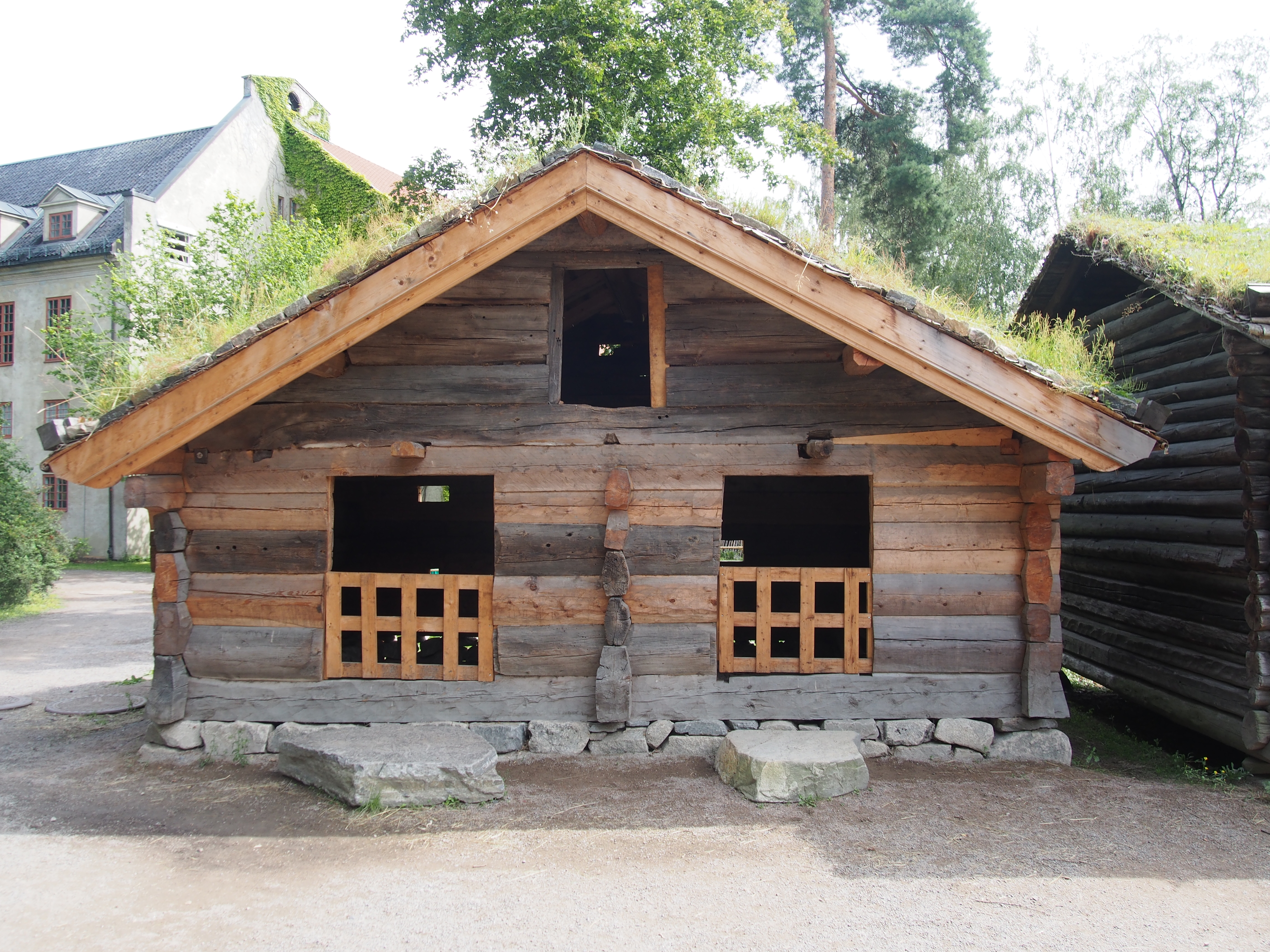
The museum, like Skansen in Stockholm, has structures from all over Norway and from all periods from the 13th century through to the 1950s or so … and, given that the climatic conditions are virtually identical, so are the structures.
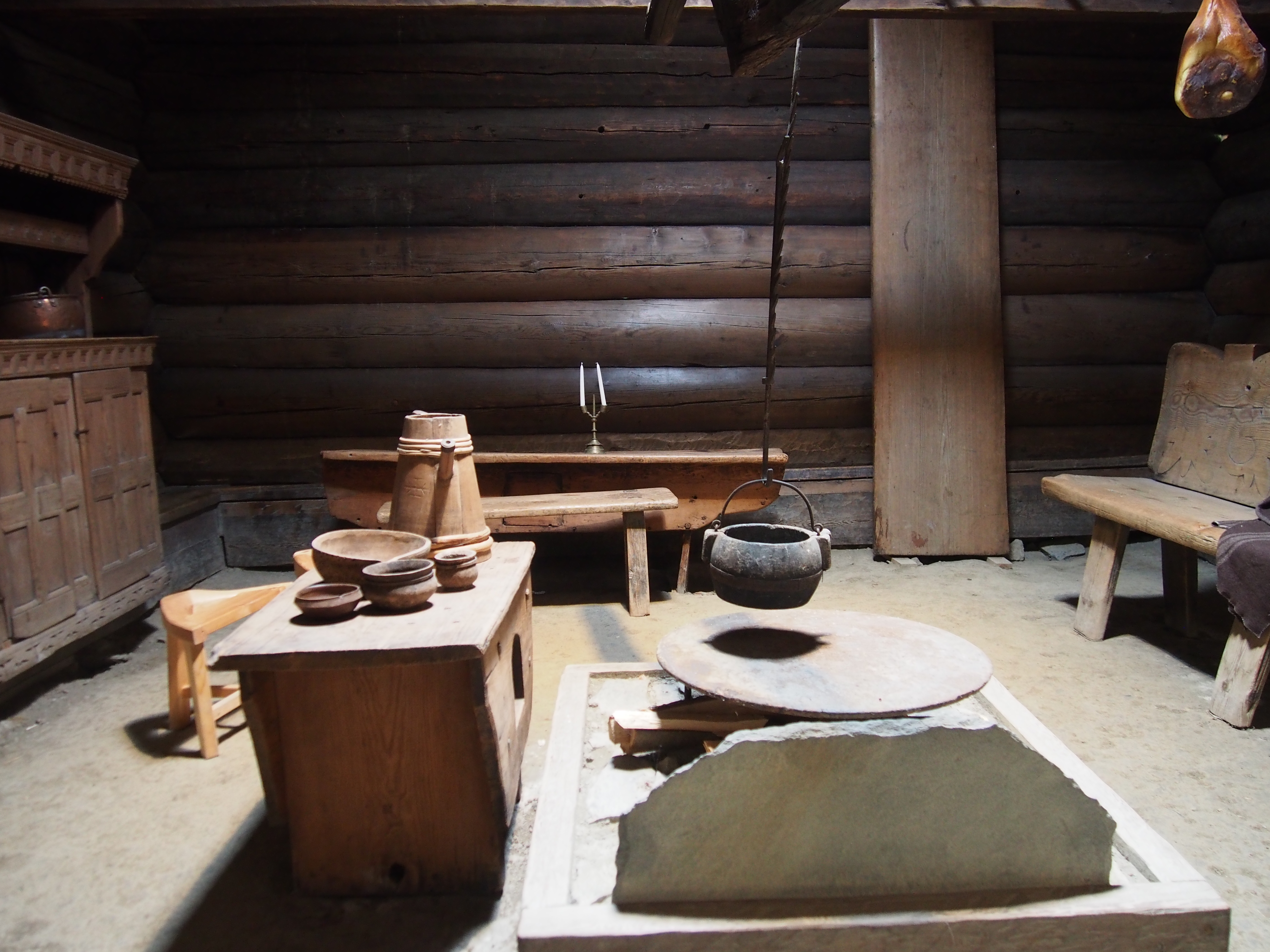
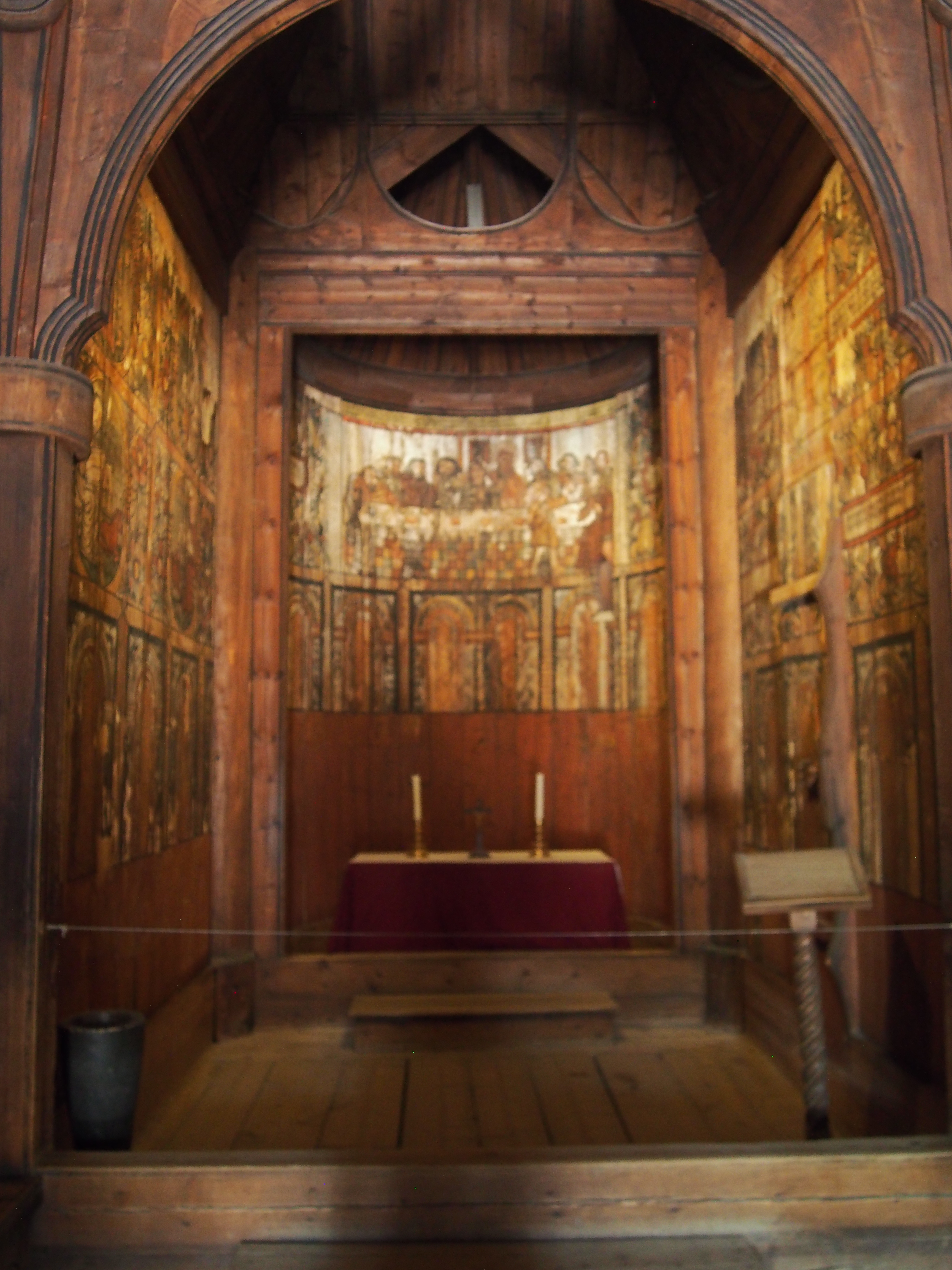
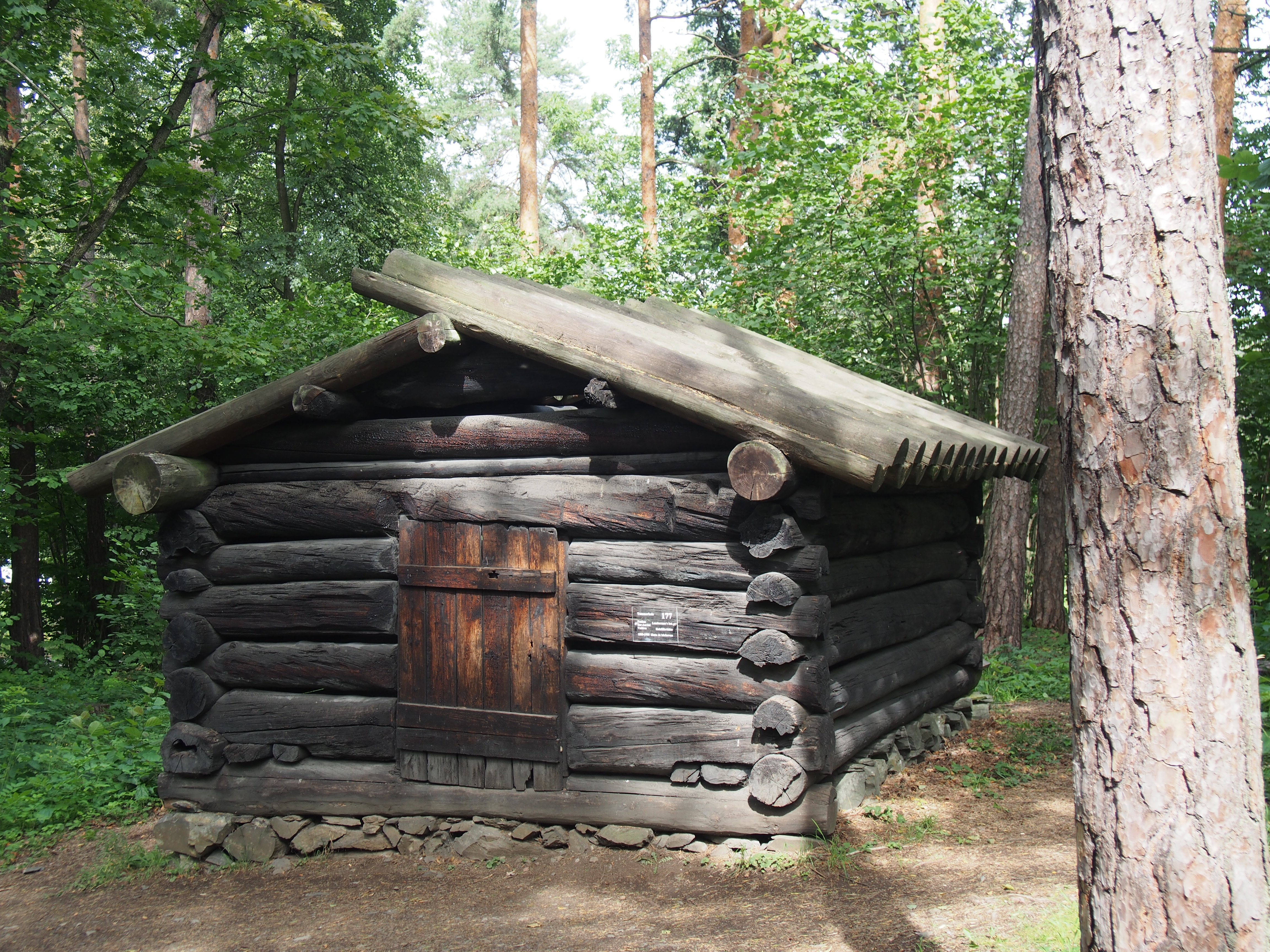
This a Byre from the medieval street – typical of the sort of buildings built during the 13th-15th centuries. This would have belonged to a big and better off farm/farmer as the logs forming the walls are a) on a stone base to keep them from rot and b) stripped of bark and squared off.The Interior of the right (East, I think) wing of the Farmhouse on the opposite side of the street – also a cut above what would have been normal with all those furnishings! Though, as you can see, still with no chimney – just a central fireplace and a hole in the roof with a cunning arrangement to allow the smoke to escape through vents without letting the rain or snow in.Like I said, a cut above. Separate beds and other high status furniture. The glass in the window is, of course, a much much later inclusion. Originally there would have been a holein the wall with a shutter and, possibly, a horn or oiled parchment ‘window’Other farm buildings across the street – with, as is common in Scandinavia, roofs of birch bark strips with sod over to provide waterproofing and water absorbency … as well as a degree of insulation.Some farmhouses and other farm buildings had a projecting to provide some shelter from rain/snow … others had a narrow covered and walled passage running along the main side of the structure facing the farmyard (or, in the case, the street they have been placed on). Inside, however, there are no corridors until much later … rooms open on rooms as is common throughout medieval Europe.One of the relatively few wooden stave churches that have survived … of in excess of 300 I believe that there are now only around 40 or so left. These were some of the very first churches after Christianity arrived and became the dominant religion and were mostly built, and owned, by local magnates … one of the reasons for the low rate of survival.The Interior and the Altar – the wall paintings are original and, though faded and somewhat damaged by age, are still easily visible and discernible … but the lighting inside was terrible and, of course, no Flash allowed.A more typical rural structure, very much like a US-style Log Cabin – this was a Woodsman’s Hut and remained a common style throughout the medieval period and beyond, especially in rural and remote areas.
The Viking Ship Museum
The next day I headed back to Bygdoy and went to the Viking Ship Museum which was literally less than a half a klick down the road from the Folk Museum.
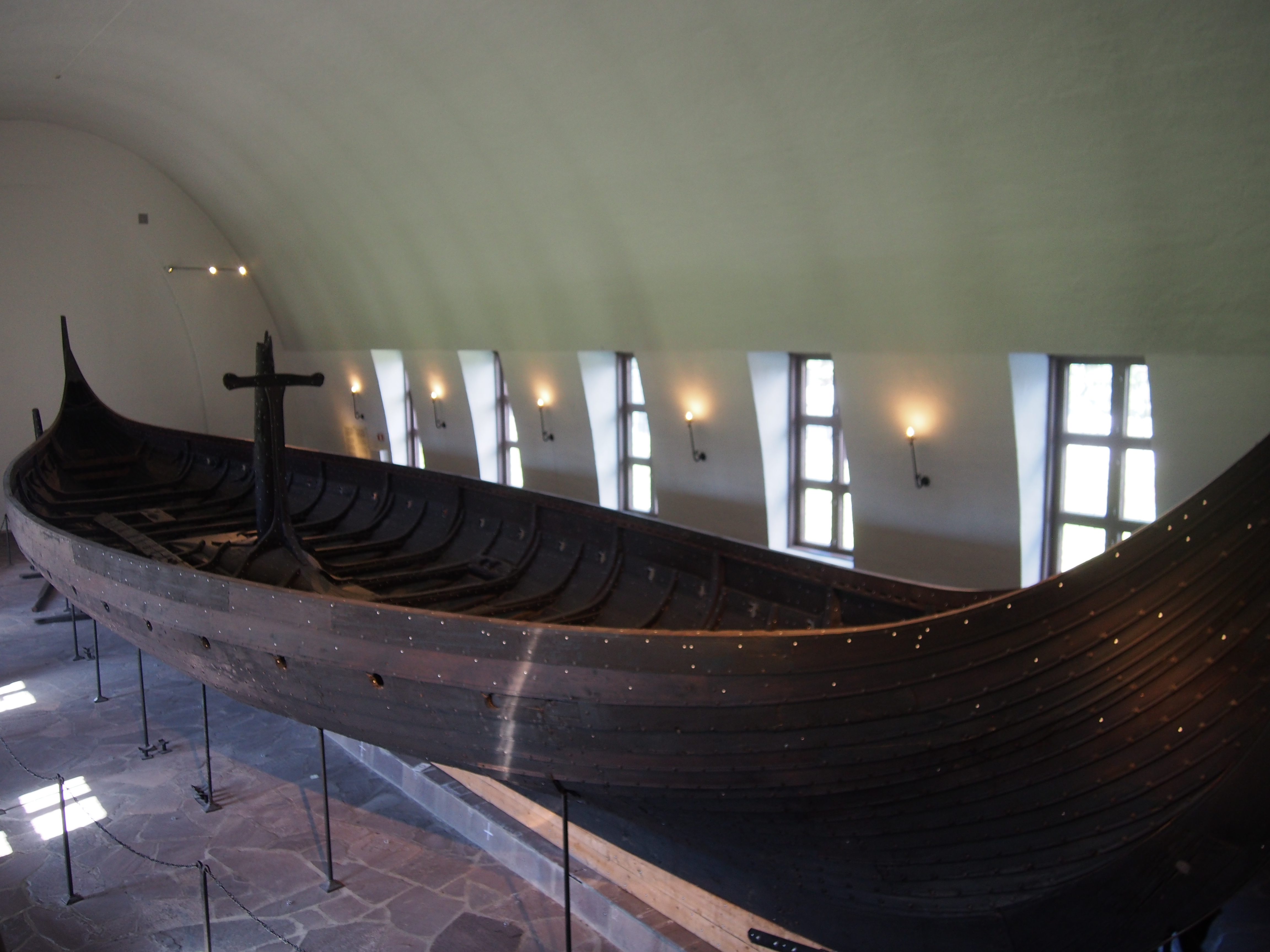
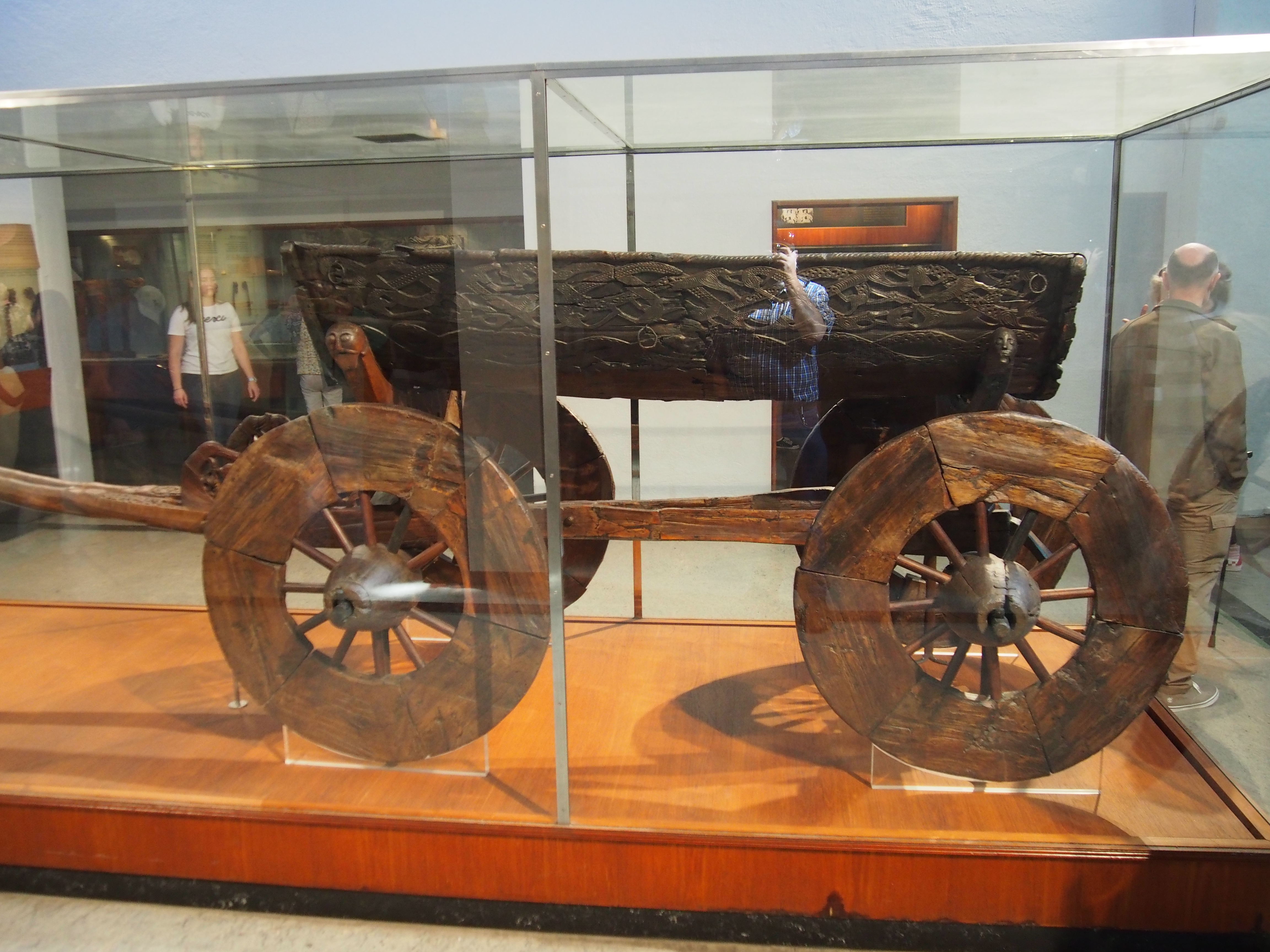
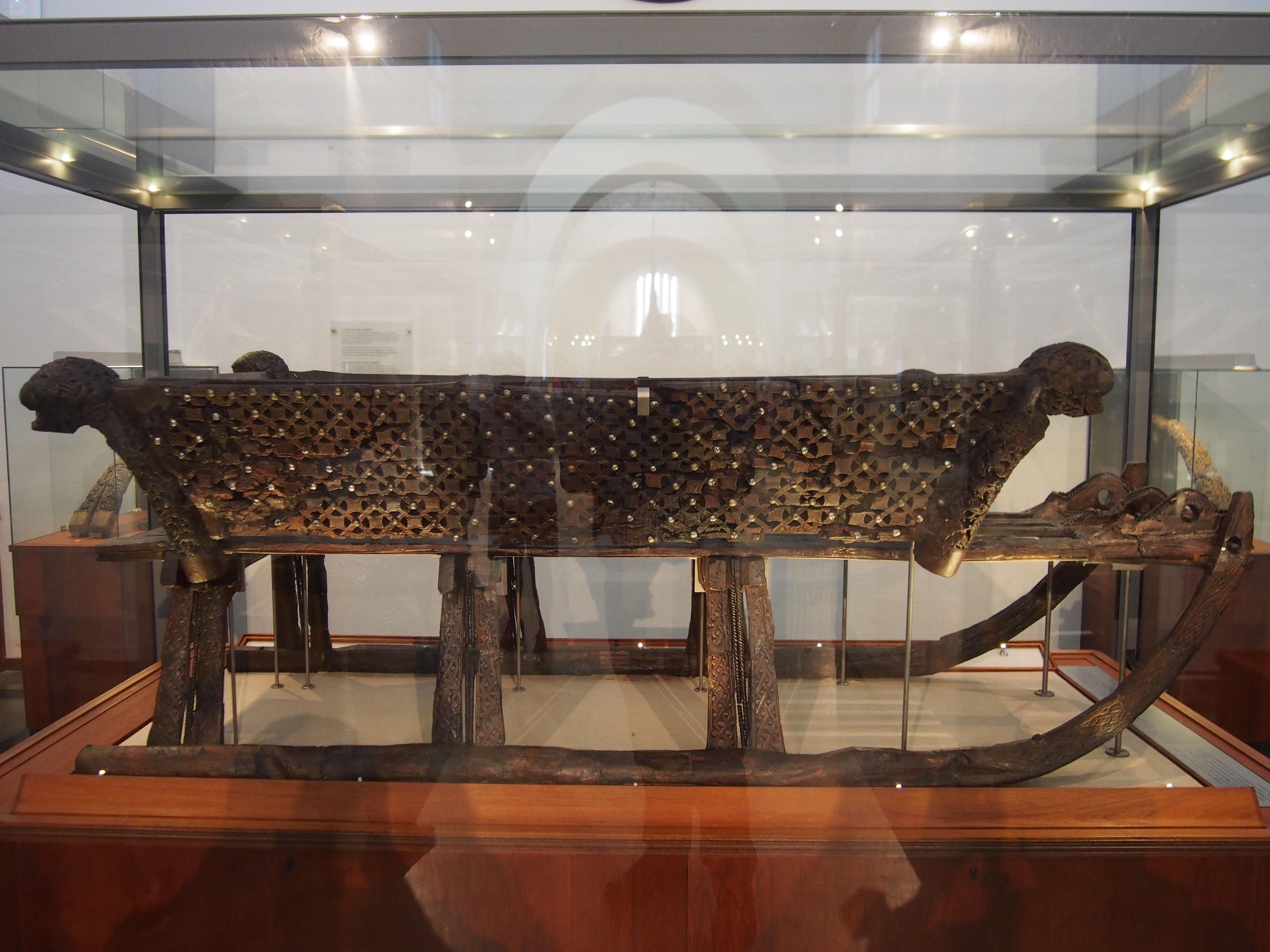
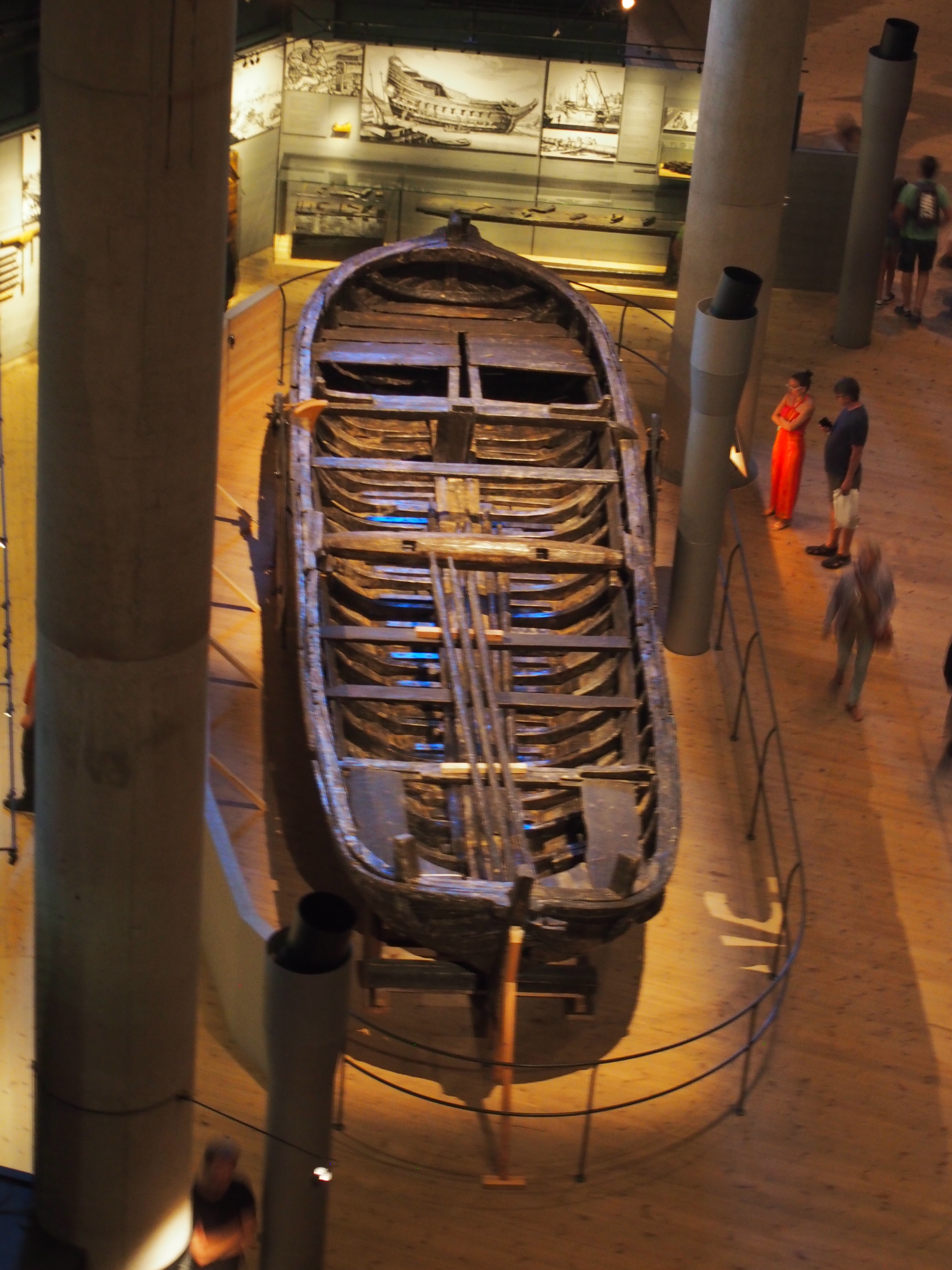
The first of the three ships held in the Museum. This is probably the best preserved (though not by much) and is definitely a warship … and probably not designed for long ocean voyages, so probably a coastal warship.The stern and steering oar of the above, from above.The second ship, from above. Not quite as well preserved, with a wider beam and likely a merchant vessel of sorts … certainly an ocean going vessel.One of the famous Viking era wheeled carts found with one of the ship burials – the highly carved and decorated bodywork indicate that this was never intended to be a mere farm cart, but the prestige transportation of a local notable for use on special occasions.There were also some sleds in the same burial as the cart – and they, too, were obviously intended to be prestige vehicles.
Where’s the third ship, you ask? Well, two things, it is kept in a section of the building that was kept very dark, so there was no way I could get a picture (no flash) and, in any case, it’s the least well preserved, by far … just the twisted timbers and part of the keel, barely recognisable as a boat.
The Swedish Air Force goes back right to the Wright Flyer period but, like most countries, was really an afterthought and a not very important or well funded part of the Army for the early decades … and she really only became technologically advanced with home built *advanced* aircraft after WW2.
She did build a number of foreign designs in country before and during WW2 but, as with many smaller countries, found the designs she had settled on were soon obsolete or obsolescent due to the rapid pace of technological change in the 1930s.
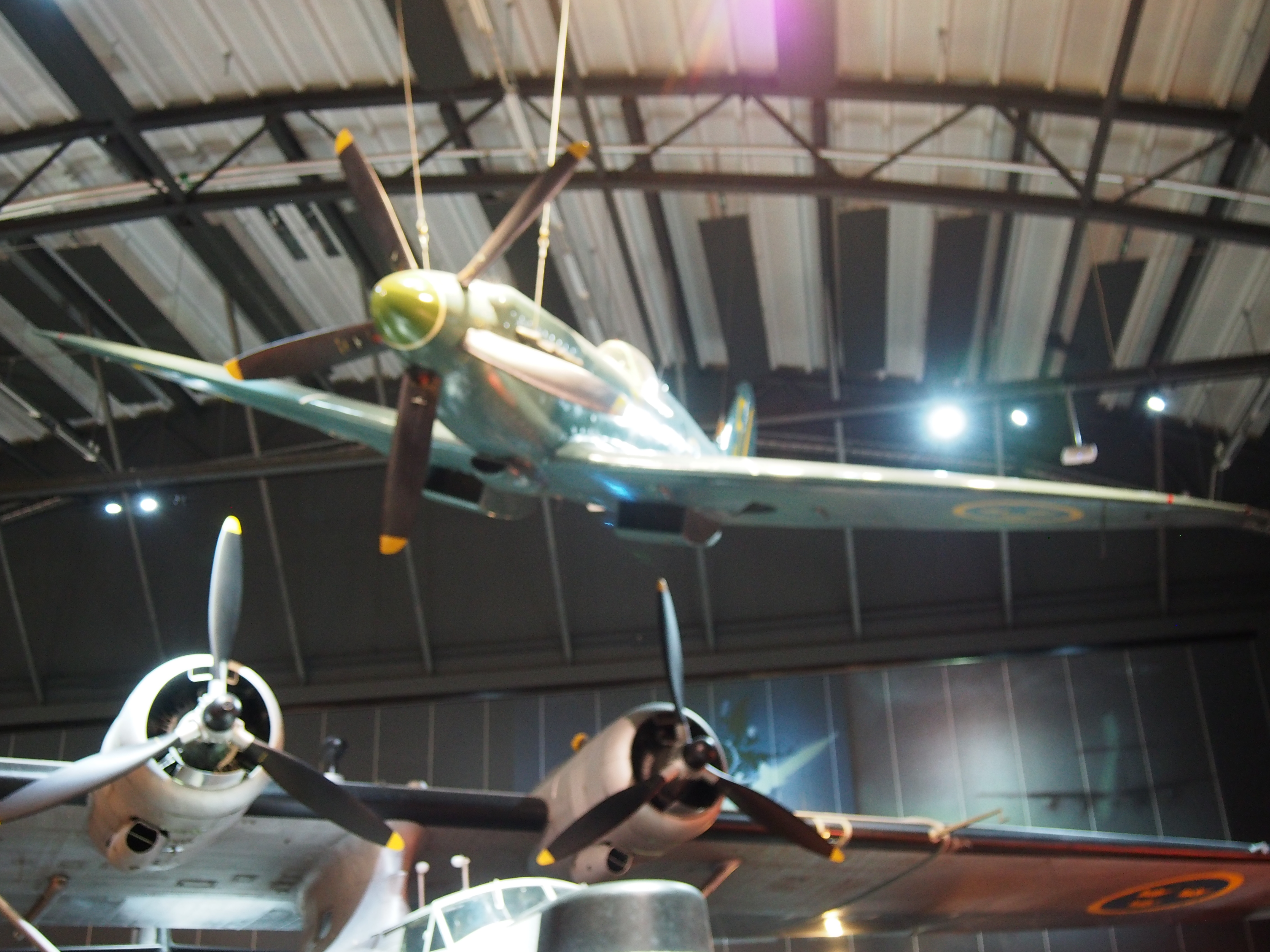
Gloster Gladiator of the Swedish Volunteer Squadron which served during the Russo-Finnish Winter War – in Finnish colours and with Finnish national markings. Another view of the same GladiatorThe only surviving Ju-86 Bomber in the entire world – or, at least, the bit I could fit in frame. In the rear is an Italian CR42 in Swedish colours.After WW2 they bought a lot of P-51 Mustangs – but sold them all off. This one was gifted to the Museum but is painted in typical Swedish markings for the Squadron(s) which used them.Yes, the Swedes also purchased late model Spitfires after the war! The latest Swedish combat aircraft, the JAS-39 Gripen– all digital MultiRole aircraft, state of the art!
There were a lot more aircraft than these, but the poor lighting, cramped layout and other factors meant that many of the shots I took didn’t come out well or, indeed, that I simply couldn’t get any shots in the first place.
What can I say? If you’ve seen the Mary Rose you’ve got to see the Vasa – which is around a century or so later, but much better preserved because of the exceptionally cold waters of the Baltic (amongst other reasons).
Why did she sink? Well, it was the first big new ship constructed by Gustavus Adolphus’s new foreign shipwright and evidently he allowed GA to mandate the dimensions … so the darn ship was to narrow in the beam for her size and if she’d taken aboard the amount of ballast that was needed to make her stable, the lower level gunports would have been awash.
So she didn’t. So the first strongish breeze that hit her started to capsize her … and a second gust finished the job. She’d been at sea less than half an hour.
No one was blamed at the court of inquiry (or, at least, no-one has been able to find any record of blame being apportioned in any of the surviving documentation … there were too many important people involved at all stages of the busted decision tree and all of the people on the investigatory panel were, surprise surprise, all involved in those decisions).
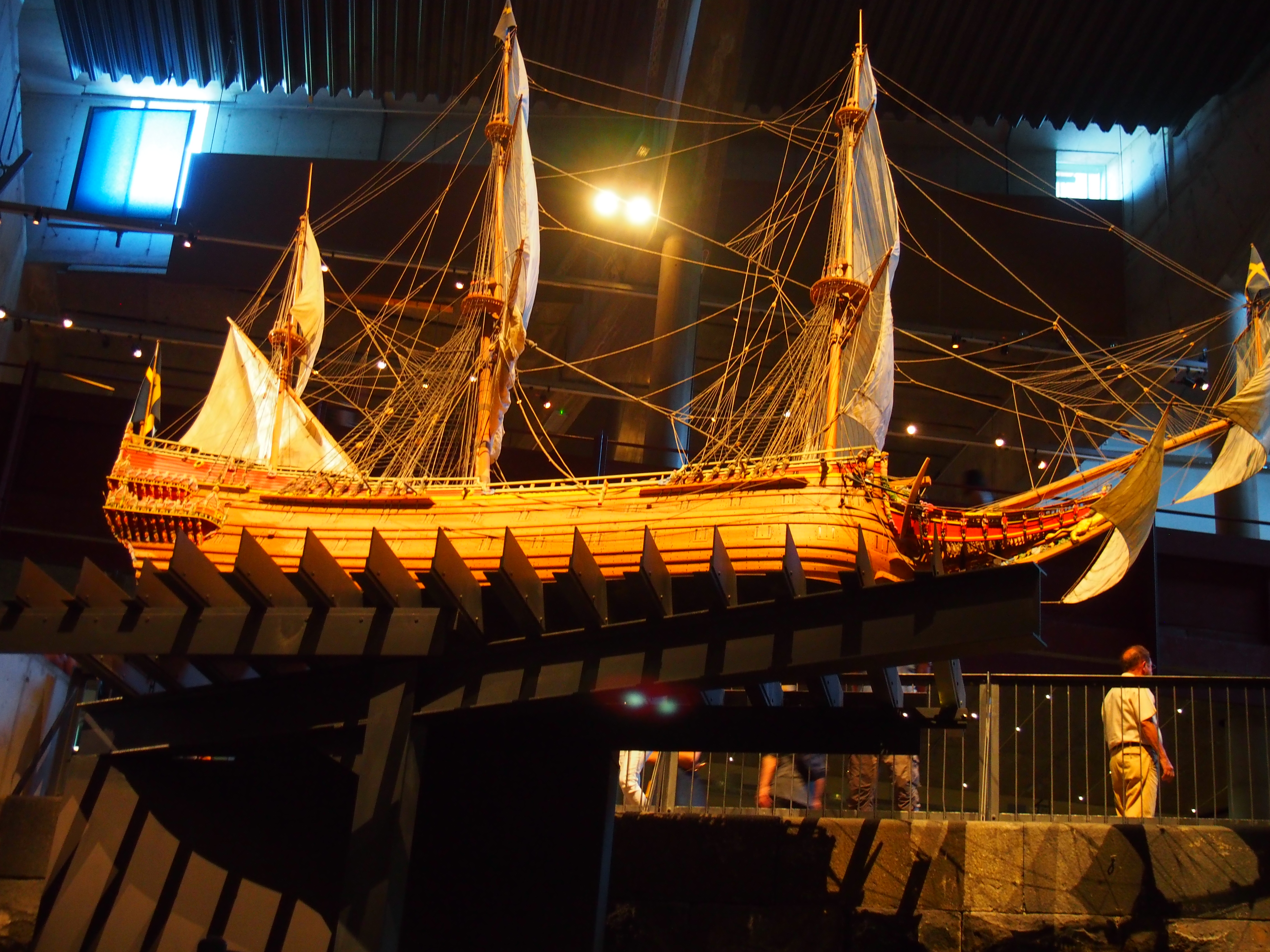
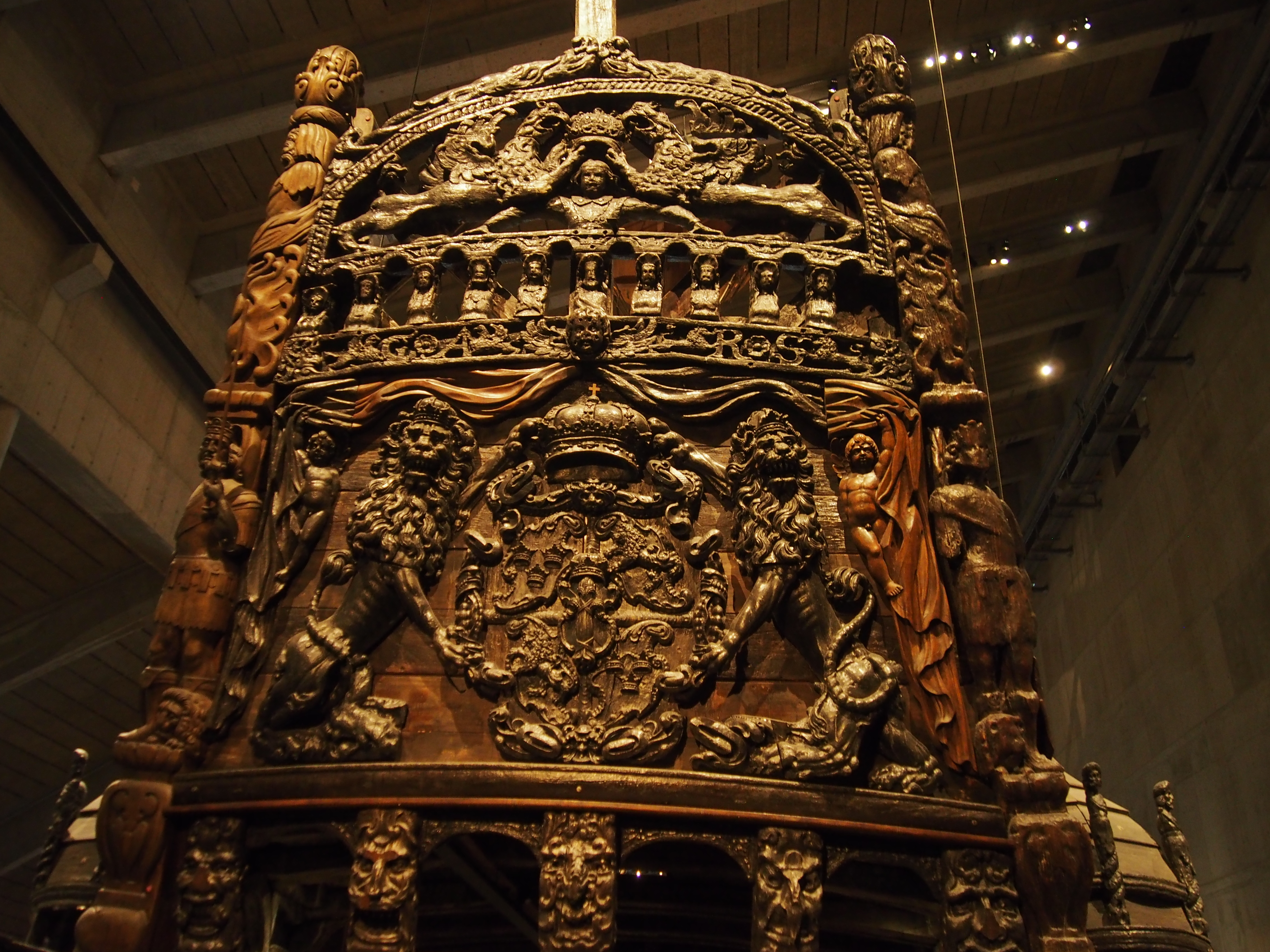
Looks pretty good, doesn’t she? She’s about 98% original – with some additional modern bits (the ropes in the rigging, obviously, the masts or parts of them etc.)The Sterncastle. You can sort of get a perspective of how narrow the beam was.A model of what she probably looked like when she set out on her less than six hour cruise!The sterncastle decoration – not all of it is intact, some bits fell off as nails lost their grip or treenails and wooden dowels rotted … many of those bits were able to be re-situated with some careful detective work, but not all. Still, this is probably close to what it would have originally looked like.One of the Vasa’s longboats survived as well.
Stockholm open air museum
This is situated at Skansen, one of Stockholm’s many islands, and the end of one of their tram lines.
It contains original buildings from many places all over Sweden or, in at least one case, what was once Sweden, but is now Norway, and in another case, in Finland or, possibly, in parts of Sweden where Finns were invited to settle during the early modern period (i.e. the 16th century or so).
A 14th century Storehouse – large and small. The style remained pretty much unchanged from at least the 11th century through to the 17th or 18th except in the case of dwellings, which, of course, added chimneys.This one’s from Finland. Apart from the stuff growing on the roof (originally on a base of birchbark) it’s almost exactly like the one above … and very similar to US colonial era Log Cabins.A pole-pivot windmill – again, around the 14th or 15th centuries.
It’s really amazing how little the building styles changed over so long a period – of course, wood was cheap (cheap and plentiful enough such that half-timbered construction wasn’t really necessary) and stone was dear, and brick was expensive.
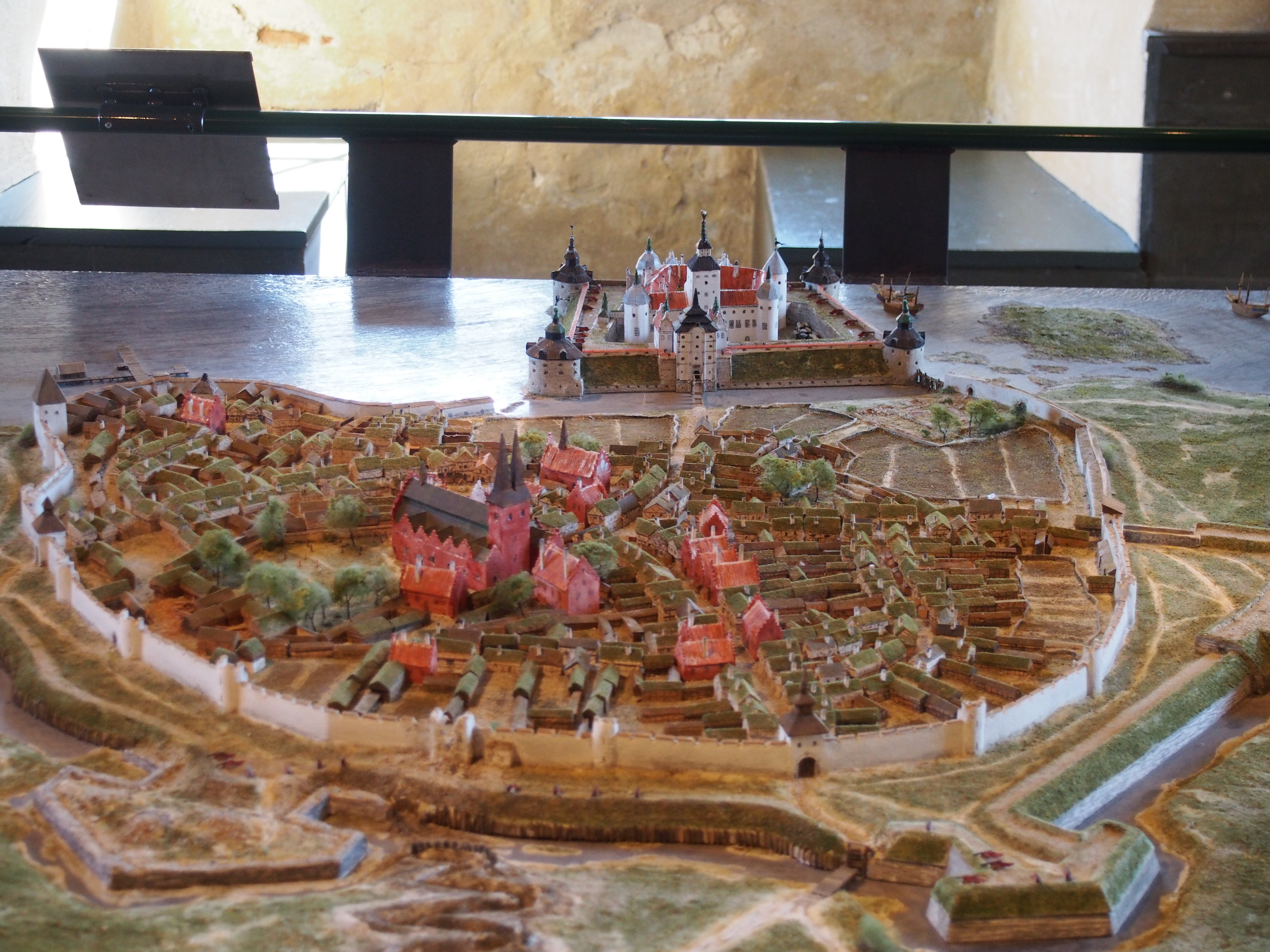
Kalmar Slott (literally ‘fortified palace’ … but loosely used for converted castles as well as regular castles as well) was, for several centuries, a major coastal fortification (mainly protecting against pirates – but equally as often against marauding Danes) the place where the Union of Kalmar (uniting, in theory, Sweden, Norway and Denmark under the Danish Crown) was signed and, after the border with Denmark was pushed down south to the southern coastline, a Royal Palace, a Prison, a Distillery and, finally, restored in the early 20th century.
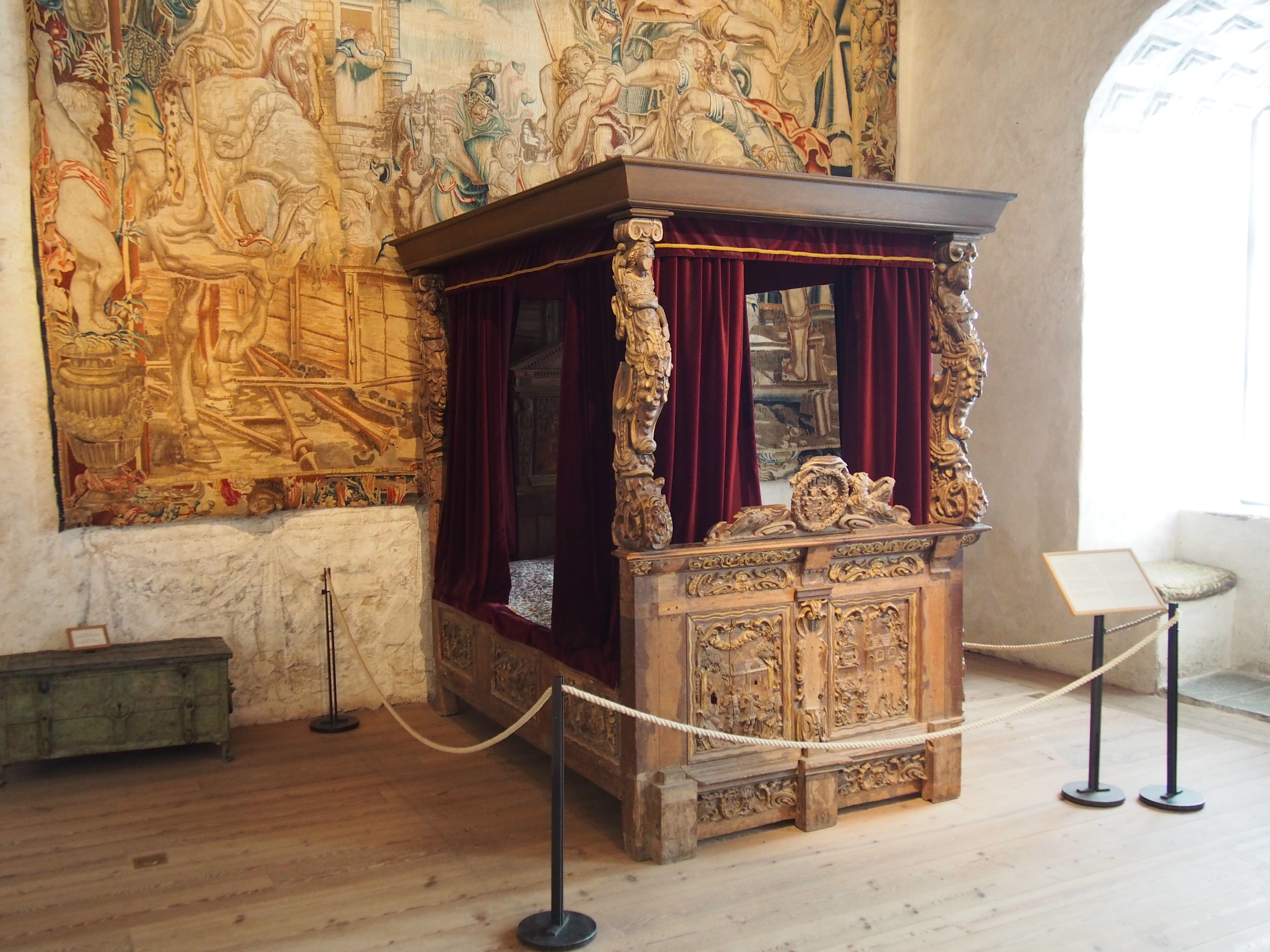
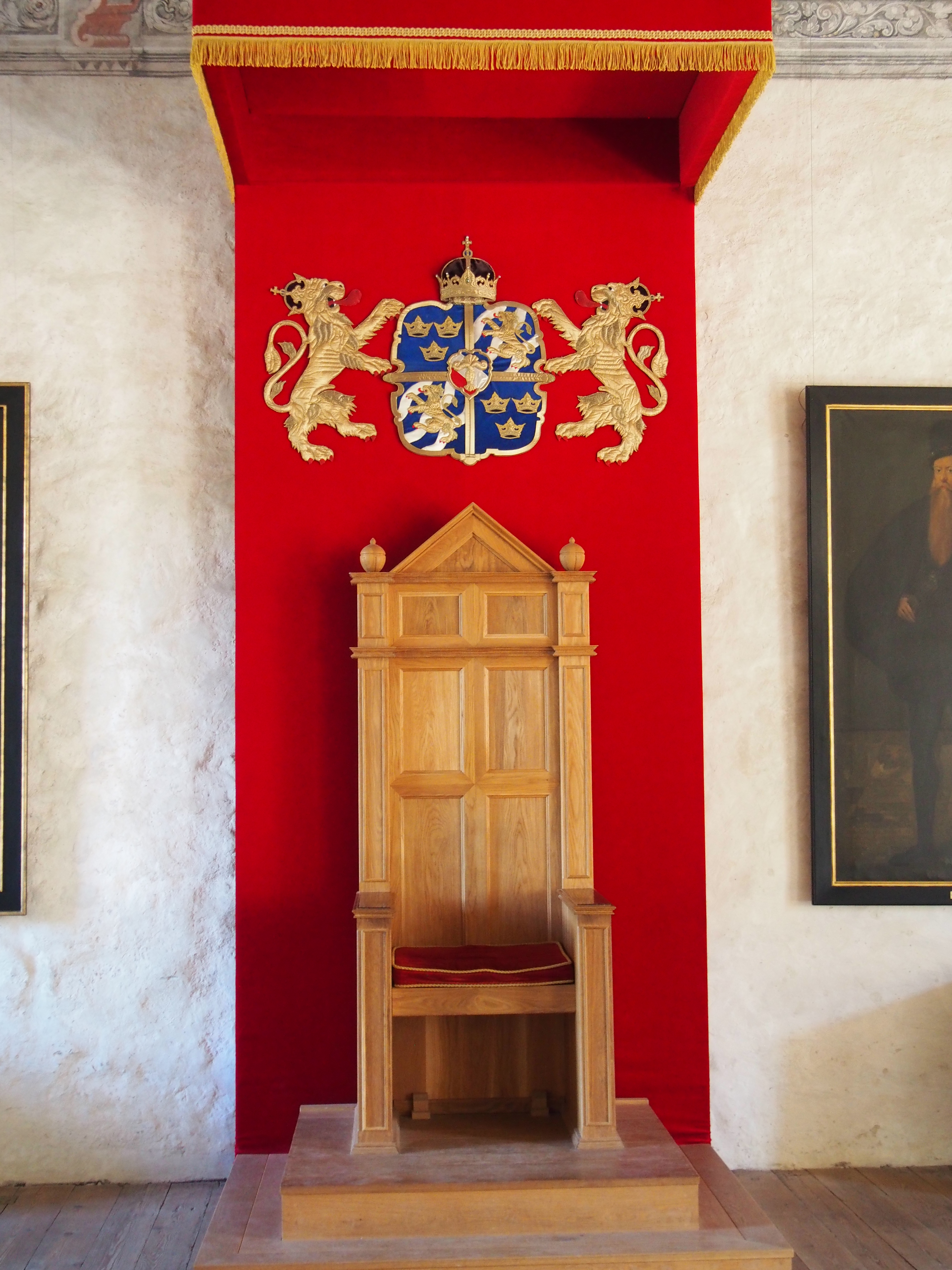
One of the middle-period iterations of the Castle – the round Tower was the original fortification with a wooden palisade more or less where the stone one is on this model.The palace Dining Room, set up for and Easter Feast in the later 15th century, as described by a traveller who was invited to watch, but not dine.One of the Royal beds, or, at least, one from around the same period standing in for the type of bed that would have been here.A reconstruction of the original throne.The Castle and the Town around the time of the great siege – this isn’t the final iteration of the castle, though, that was after the introduction of gunpowder on a large scale and involved massive reconstruction for the new era.
As you may know, Karlskrona is one of the main Swedish naval bases – and has been since the late 1500s. The Swedish Navy has a large museum there- most of which was simply too dark to photograph, but there are some display ships outside …
The Vastervik, retired in the late 1990s – a Guided Missile Patrol Boat.MTB T-38 a 1960s Motor Torpedo Boat … being worked on.The Minesweeoer Bramon, used to enforce Swedish neutrality during WW2. Or, at least, all that I could fit in frame.
One of the first, if not the first museums of its type, it was begun with private initiatives to gather buildings and other memorabilia of the Netherlands’ past … even its recent past.
There are medieval buildings which, at least in part (for some) date back to the 14th century right through to late 19th or early 20th century buildings kitted out as they would have been when part of migrant ghettos in the 1950s and 1960s.
Yes, there are even Windmills.
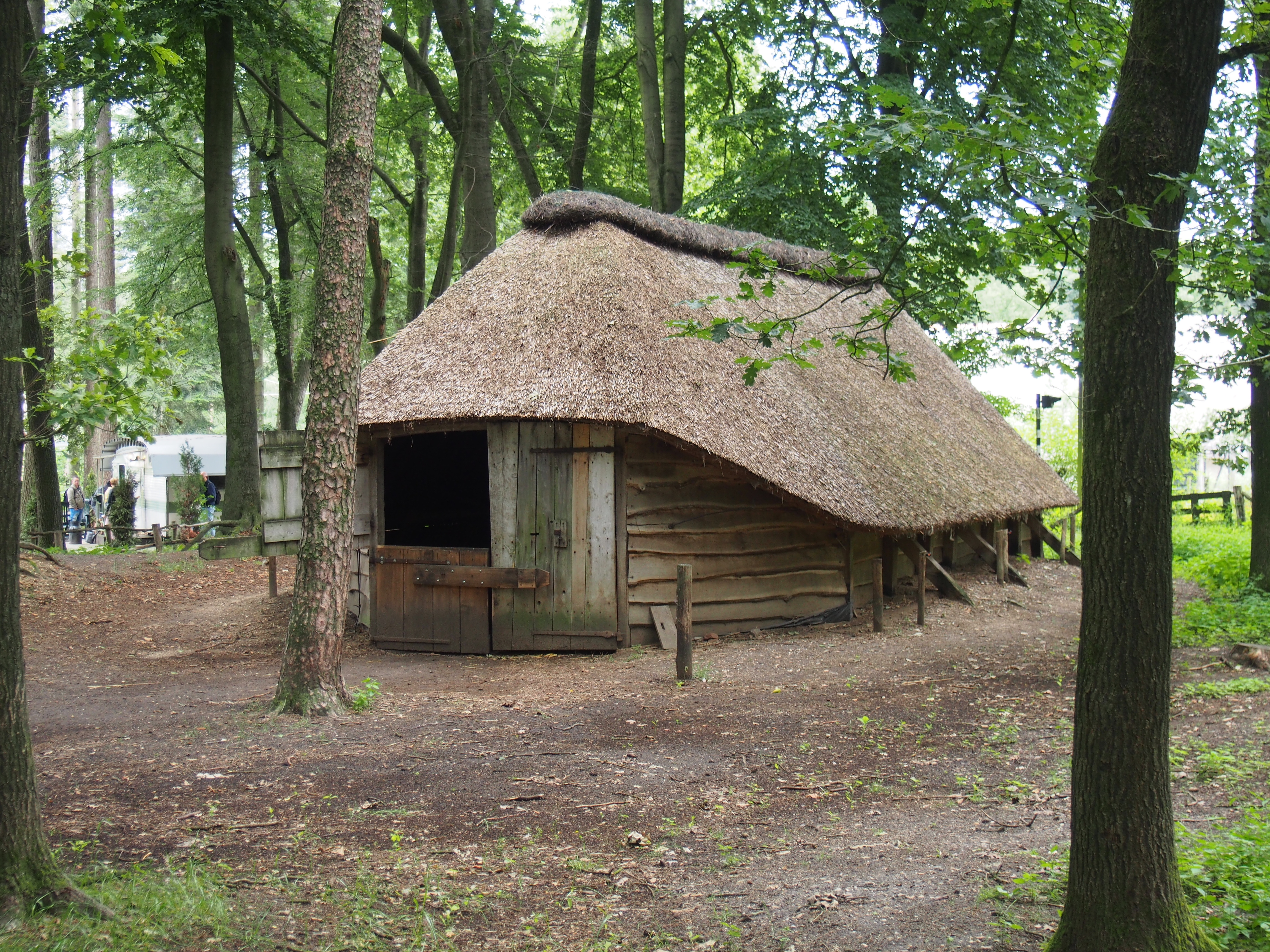
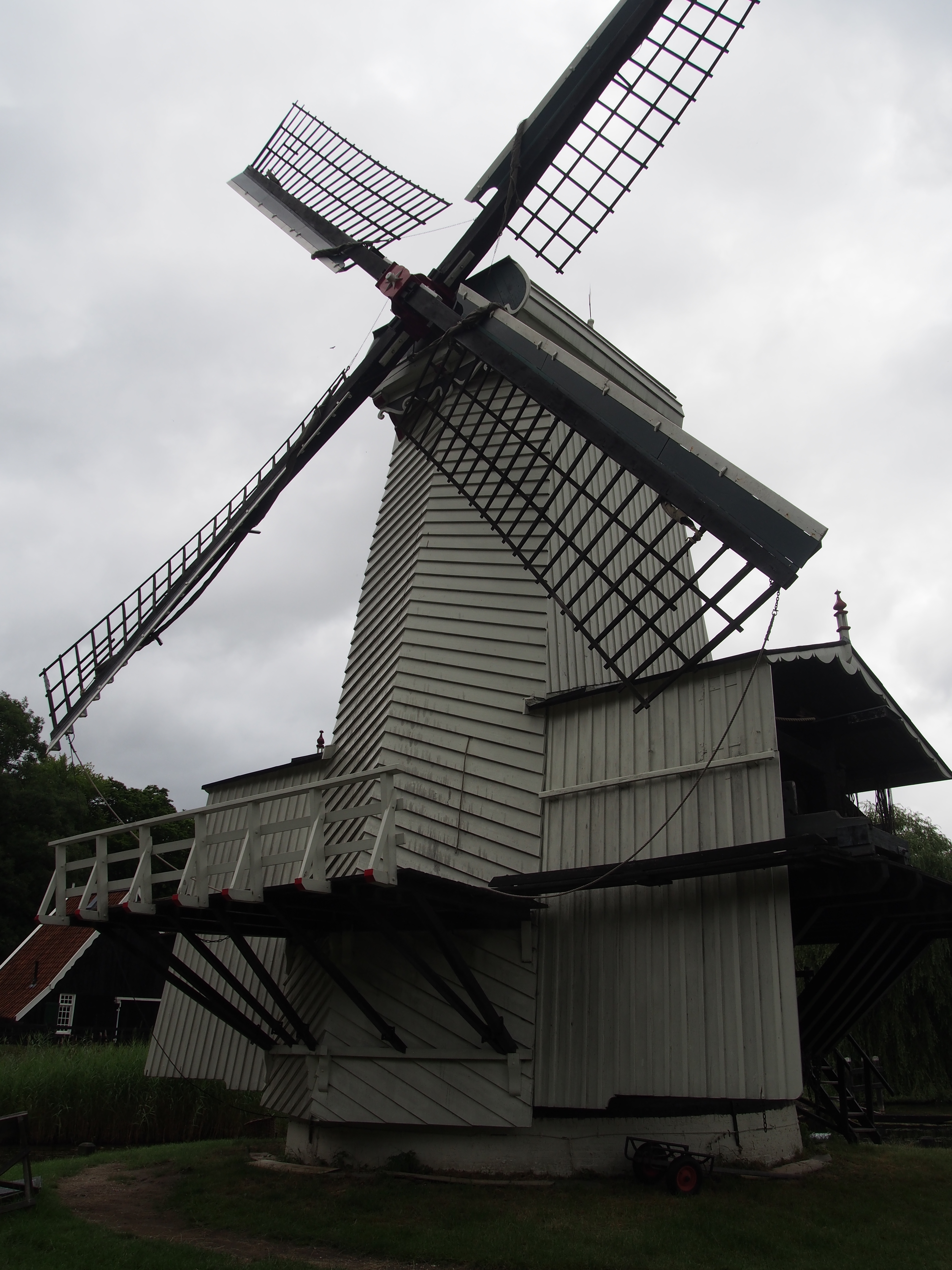
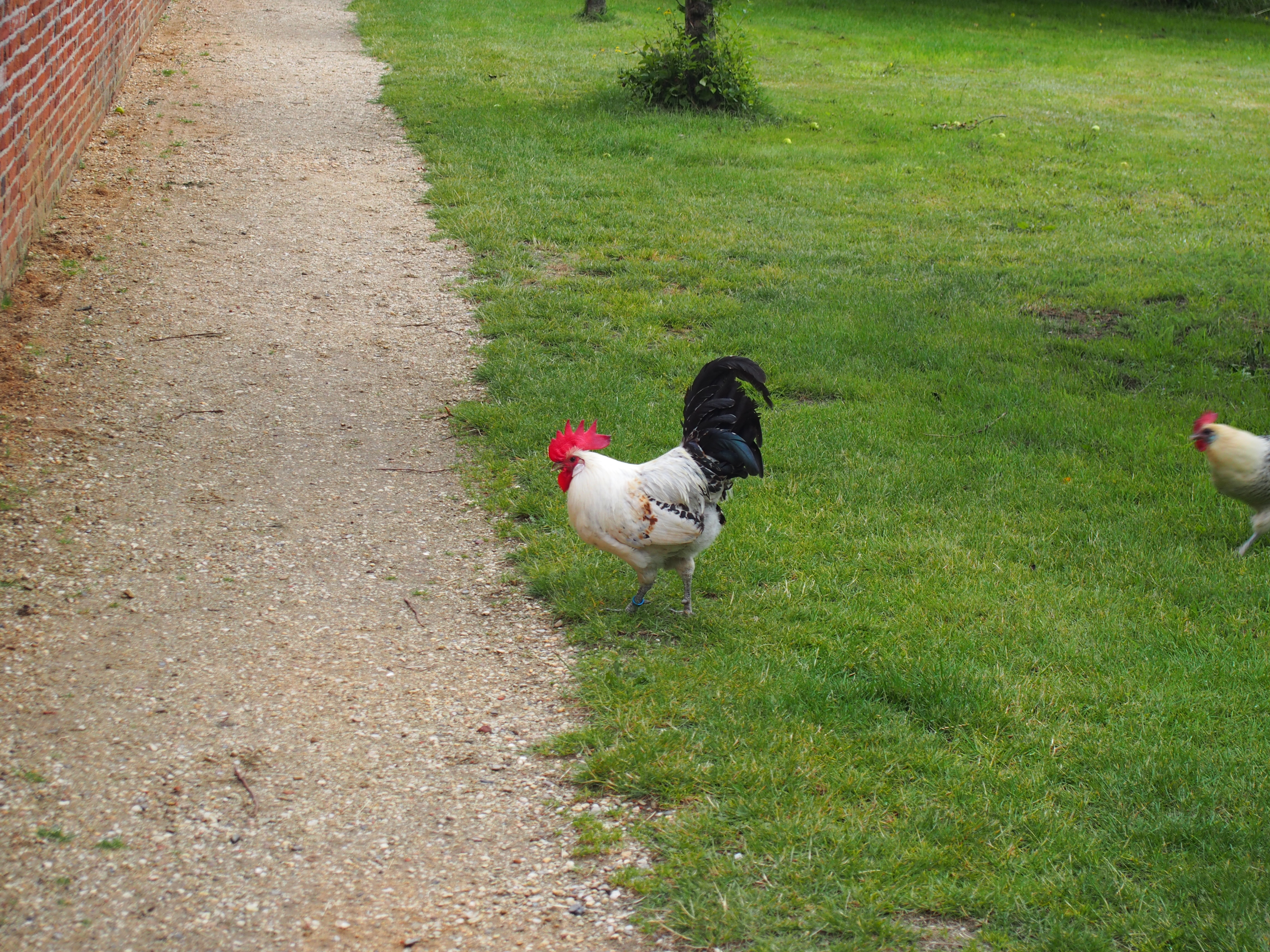
A Cow Byre in the form that would have been common in the Late Middle Ages through to the 16th century or so.One of a number of Windmills, from small (for pumping drainage ditches) to large, for grinding grain or, as with this one, powering a saw mill (rear of structure- facing a pond, so difficult to get a shot)The Owner – surveying his domain!
























 phalanxgamesdesign.com